
How To Reheat Chicago-style Pizza In Oven [FULL GUIDE]
Chicago-style pizza is a culinary marvel, famous for its deep-dish crust, rich layers of cheese, hearty toppings, and tangy tomato sauce. Unlike a thin-crust pizza, its dense structure and generous toppings demand special attention when reheating. A poorly reheated slice can leave the crust soggy, the cheese rubbery, or the toppings unevenly heated, which is a tragic fate for such a beloved dish. On the other hand, when reheated correctly, each bite can almost rival the original, fresh-from-the-oven experience. Understanding the right temperature, cooking time, and techniques is essential to preserve its signature texture, flavor, and integrity.
This guide dives deep into the art and science of reheating Chicago-style pizza in an oven, helping you achieve that perfect balance of crispy crust, gooey cheese, and warm, flavorful toppings every time.
Contents
- 1 Best Temperature To Reheat Chicago-style Pizza In Oven
- 2 Best Cooking Time To Reheat Chicago-style Pizza In Oven
- 3 How To Reheat Chicago-style Pizza In Oven
- 4 When Not To Reheat Chicago-style Pizza In The Oven
- 5 Reheating Chicago-style Pizza More Than Once
- 6 What If I Use A Different Oven Temperature?
- 7 What If I Use A Different Oven Cook Time?
- 8 Best Ways To Reheat Chicago-style Pizza
- 9 Tips For Optimal Reheating Results
- 10 FAQs
- 10.1 What Is The Best Way To Reheat Chicago-style Pizza In The Oven?
- 10.2 Should I Cover Chicago-style Pizza With Foil When Reheating?
- 10.3 Can I Reheat Chicago-style Pizza From Frozen In The Oven?
- 10.4 How Do I Prevent The Crust From Becoming Soggy When Reheating?
- 10.5 Is It Necessary To Preheat The Oven Before Reheating Pizza?
- 10.6 Can I Reheat Multiple Slices Of Chicago-style Pizza At Once?
- 10.7 How Long Does It Usually Take To Reheat Chicago-style Pizza In The Oven?
- 10.8 Should I Add Any Moisture When Reheating To Prevent Dryness?
- 10.9 Can I Use A Toaster Oven Instead Of A Conventional Oven?
- 10.10 What Are Some Tips To Make Reheated Chicago-style Pizza Taste Fresh?
Best Temperature To Reheat Chicago-style Pizza In Oven
The temperature is critical because Chicago-style pizza is thick and dense. Reheating at too high a temperature risks burning the crust or overcooking the cheese while leaving the center cold. Too low, and the crust becomes soggy, and the cheese may not fully melt.
For optimal results, preheat your oven to 375°F (190°C). This temperature is ideal because it gently warms the pizza through without aggressive heat that can dry out the crust or toppings. Some people prefer 350°F (175°C) for extremely thick, heavily topped pizzas, which allows the heat to penetrate slowly and evenly. Conversely, temperatures above 400°F (204°C) may crisp the edges too quickly, leaving the inside underheated.
The key principle is gentle, consistent heat. This allows the deep-dish crust to regain some of its original crunch while the cheese becomes luxuriously melty.
Best Cooking Time To Reheat Chicago-style Pizza In Oven
The cooking time is just as crucial as temperature. Because of the pizza’s density, rushing the process will yield a slice with a scorching edge and a cold, doughy interior.
- Standard slices: 15-20 minutes is usually sufficient at 375°F (190°C).
- Extra-thick slices or stuffed variations: 20-25 minutes may be necessary to heat evenly without drying the crust.
A helpful tip is to check the pizza around the 12-15 minute mark. Look for bubbling cheese in the center and a golden-brown crust along the edges-these are indicators that the pizza has reached optimal reheating without being overdone.
How To Reheat Chicago-style Pizza In Oven
Reheating Chicago-style pizza is simple but requires deliberate steps:
- Preheat the oven: Always ensure the oven is at the correct temperature (375°F / 190°C).
- Use a baking sheet or pizza pan: Place the slice on a lightly greased or parchment-lined baking sheet to prevent sticking. For extra crispiness, a preheated pizza stone works wonders.
- Cover lightly with foil (optional): To prevent excessive browning of cheese, lightly tent the pizza with aluminum foil. This also helps retain moisture inside the thick layers.
- Bake evenly: Place the pizza in the center of the oven to allow consistent airflow and heat distribution.
- Check periodically: Around the 12-15 minute mark, check if the cheese is melted and the crust is crisp. Remove the foil for the last few minutes if necessary to achieve a golden top.
- Let it rest: After removing from the oven, allow the slice to rest for 1-2 minutes to let the heat distribute evenly before slicing or eating.
When Not To Reheat Chicago-style Pizza In The Oven
While reheating in the oven is ideal for most scenarios, there are situations where it might not be the best option:
- Extremely thin or overly dry crust: Thin crust slices may burn or over-crisp before the toppings are adequately warmed.
- Already reheated slices: If the pizza has already been reheated once, another oven session could dry it out significantly.
- Microwave urgency: If you need a slice quickly, the oven’s longer cooking time may not be practical.
In these cases, alternative reheating methods, such as a stovetop skillet with a lid or a gentle air fryer cycle, can sometimes yield better results.
Reheating Chicago-style Pizza More Than Once
Reheating a slice more than once is generally not recommended. Each cycle of heating and cooling breaks down the crust’s structure, dries out the toppings, and can leave the cheese rubbery. If multiple reheats are unavoidable, consider these tips:
- Slice the pizza into smaller portions to minimize reheating time.
- Use a lower oven temperature (around 325°F / 163°C) to gently warm the pizza.
- Add a few drops of water to the pan and cover loosely with foil to retain moisture.
Even with these precautions, repeated reheating will inevitably degrade the pizza’s quality.
What If I Use A Different Oven Temperature?
- Higher temperature (400-425°F / 204-218°C): The crust will crisp more quickly, but there’s a high risk of burning the edges while leaving the interior underheated.
- Lower temperature (325°F / 163°C or below): The pizza heats more evenly but takes longer. This can be useful for very thick or stuffed pizzas but risks making the crust soft if baked too long.
The key is adjusting the baking time according to the temperature change, which leads us to the next section.
What If I Use A Different Oven Cook Time?
Cooking time must correspond to the oven temperature and pizza thickness:
- Shorter time than recommended: The center will remain cold, and the cheese may not melt fully.
- Longer time than recommended: The crust may become overly dry or burnt, and toppings may lose flavor or texture.
Always monitor the pizza visually: look for bubbling cheese, golden-brown edges, and slight firmness in the crust as indicators of readiness.
Best Ways To Reheat Chicago-style Pizza
- Oven (preferred): Offers the best combination of crispy crust and evenly melted cheese.
- Skillet method: Heat a non-stick or cast-iron skillet over medium heat, add the pizza, cover with a lid for 4-6 minutes. This method crisps the bottom while gently melting the cheese.
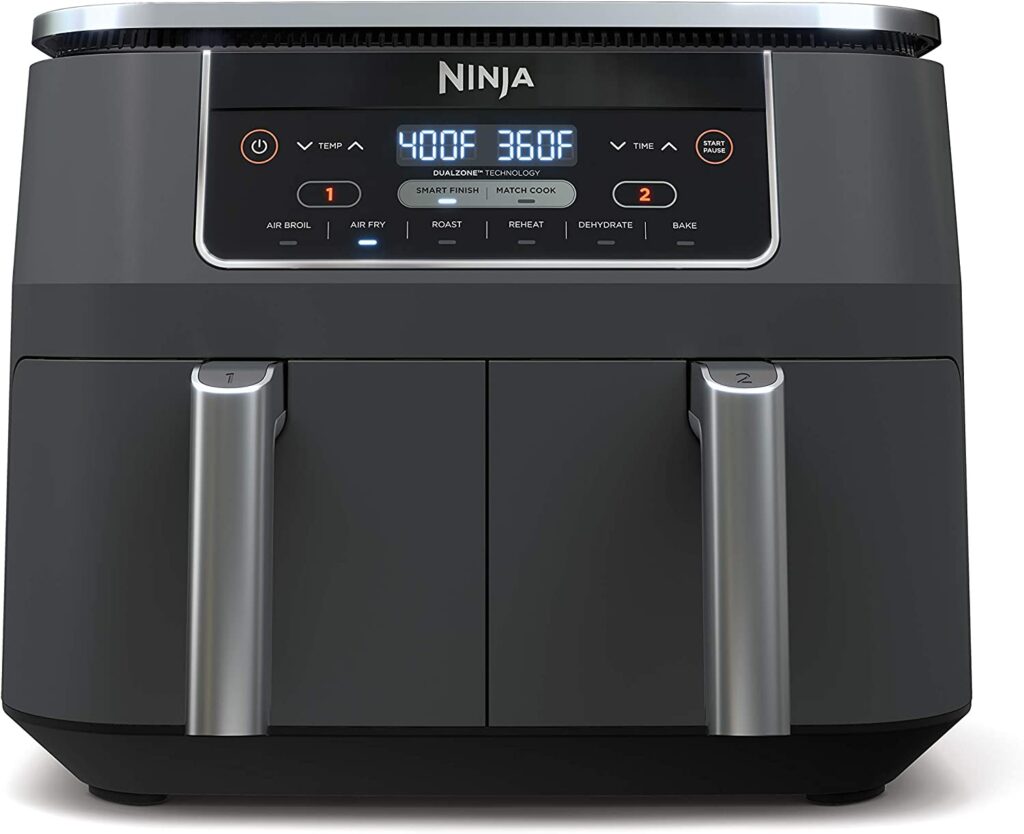
- Air fryer: Preheat to 350°F (175°C) and heat for 5-8 minutes. Great for smaller slices.
- Avoid the microwave alone: Microwaving tends to make the crust rubbery and the toppings unevenly hot, but can work if combined with a brief broil afterward.
Tips For Optimal Reheating Results
- Preheat thoroughly: Never place pizza in a cold oven.
- Use a pizza stone or preheated pan: Helps crisp the bottom without drying out the toppings.
- Tent with foil for thick slices: Retains moisture and prevents over-browning.
- Check periodically: Avoid guessing; visual cues are more reliable than time alone.
- Rest briefly before serving: Heat continues to distribute after removal from the oven, improving texture.
- Avoid stacking slices: Each slice should have direct heat contact for best results.
FAQs
What Is The Best Way To Reheat Chicago-style Pizza In The Oven?
The best way is to preheat your oven to 375°F (190°C), place the pizza on a baking sheet or directly on the oven rack, and bake for 10-15 minutes until the cheese is melted and the crust is crispy.
Should I Cover Chicago-style Pizza With Foil When Reheating?
It is generally not necessary to cover it with foil if you want a crispy crust. Covering with foil can help prevent the top from browning too quickly, but may result in a softer crust.
Can I Reheat Chicago-style Pizza From Frozen In The Oven?
Yes, you can. Preheat the oven to 375°F (190°C), place the frozen pizza on a baking sheet, and bake for 20-25 minutes, checking occasionally until the cheese is bubbly and the crust is hot.
How Do I Prevent The Crust From Becoming Soggy When Reheating?
To prevent sogginess, place the pizza directly on the oven rack or on a preheated baking stone instead of a baking sheet. This allows heat to circulate around the crust and maintain its crispiness.
Is It Necessary To Preheat The Oven Before Reheating Pizza?
Yes, preheating ensures even cooking and prevents the crust from becoming unevenly heated. A properly preheated oven will help the cheese melt and the crust crisp at the same time.
Can I Reheat Multiple Slices Of Chicago-style Pizza At Once?
Yes, but make sure the slices are spaced out on the baking sheet or oven rack to allow hot air to circulate. Overcrowding can lead to uneven reheating or a soggy crust.
How Long Does It Usually Take To Reheat Chicago-style Pizza In The Oven?
Reheating usually takes 10-15 minutes for fresh slices and 20-25 minutes for frozen slices, depending on oven temperature and slice thickness. Always check that the cheese is melted and the crust is heated through.
Should I Add Any Moisture When Reheating To Prevent Dryness?
Adding moisture is generally unnecessary. If the pizza seems dry, you can lightly spritz a small amount of water around the crust (not on top of the pizza) to prevent it from drying out.
Can I Use A Toaster Oven Instead Of A Conventional Oven?
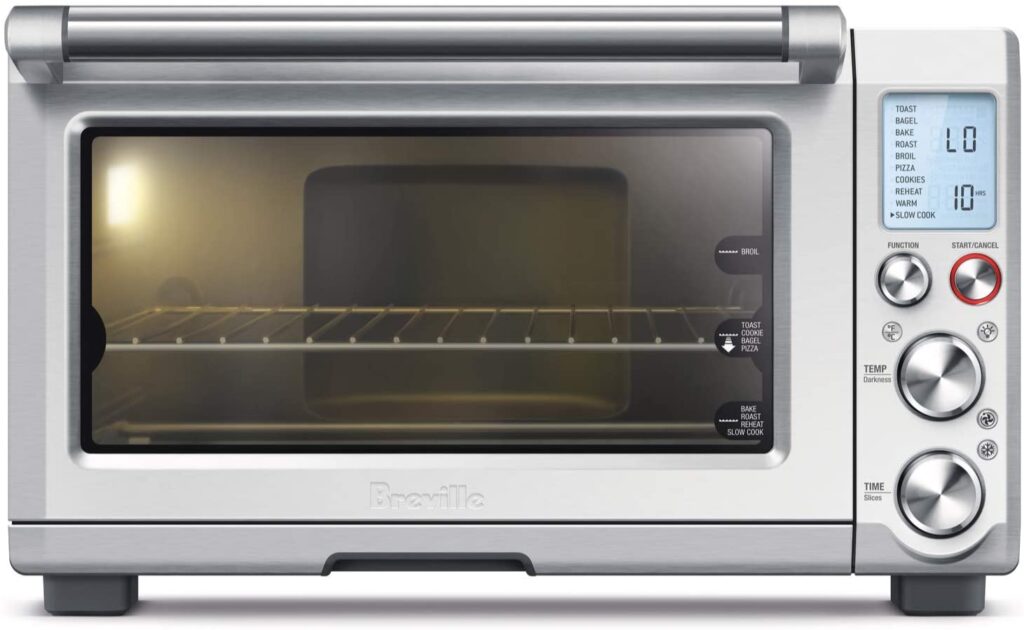
Yes, a toaster oven works well for reheating a single or a few slices. Set it to 375°F (190°C) and heat for 8-12 minutes, checking periodically to avoid burning the crust or cheese.
What Are Some Tips To Make Reheated Chicago-style Pizza Taste Fresh?
Use a preheated oven, place pizza directly on the rack or a baking stone for crisp crust, avoid covering with foil unless necessary, and check frequently to prevent overcooking. This helps retain the original texture and flavor.