
How To Reheat Chicken At 400 Degrees In Oven [FULL GUIDE]
Reheating chicken can be deceptively tricky. While it may seem as simple as popping it into the oven, achieving a perfectly warmed, juicy, and safe-to-eat piece of chicken requires precision, technique, and understanding of both temperature and timing. Overheating can dry out tender meat, while underheating poses a health risk by failing to eliminate harmful bacteria. One method that strikes a balance between speed and quality is reheating chicken at 400 degrees Fahrenheit in the oven. This approach is particularly effective for achieving a crispy exterior without sacrificing the interior’s moisture-a method especially suitable for roasted, baked, or fried chicken leftovers.
In this guide, we’ll explore the ideal temperature, timing, methods, and safety considerations to ensure every reheated bite is flavorful, safe, and satisfying.
Contents
- 1 Best Temperature To Reheat Chicken In Oven
- 2 Best Cooking Time To Reheat Chicken At 400 Degrees In Oven
- 3 How To Reheat Chicken At 400 Degrees In Oven
- 4 When Not To Reheat Chicken In The Oven
- 5 Reheating Chicken More Than Once
- 6 What If I Use A Different Oven Temperature?
- 7 What If I Use A Different Oven Cook Time?
- 8 Best Ways To Reheat Chicken
- 9 Tips For Optimal Reheating Results
- 10 FAQs
- 10.1 Is It Safe To Reheat Chicken At 400 Degrees In The Oven?
- 10.2 How Long Does It Take To Reheat Chicken At 400 Degrees?
- 10.3 Should I Cover The Chicken When Reheating At 400 Degrees?
- 10.4 Can I Reheat Leftover Fried Chicken At 400 Degrees?
- 10.5 Will Reheating Chicken At 400 Degrees Make It Dry?
- 10.6 Do I Need To Thaw Frozen Chicken Before Reheating At 400 Degrees?
- 10.7 What Is The Best Way To Check If Chicken Is Reheated Properly?
- 10.8 Can I Reheat Chicken With Vegetables At 400 Degrees?
- 10.9 Is It Better To Reheat Chicken At A Lower Temperature Than 400 Degrees?
- 10.10 Can I Reheat Chicken In The Oven Without Foil At 400 Degrees?
Best Temperature To Reheat Chicken In Oven
Using 400°F for reheating chicken is considered a high-temperature approach. This temperature is hot enough to heat the chicken thoroughly and restore crispiness to the skin without requiring prolonged exposure that could dry out the meat.
-
Advantages Of 400°F
- Crisping the skin: Fried or roasted chicken regains its golden, crunchy exterior.
- Speed: A hotter oven reduces reheating time, which helps maintain moisture inside the meat.
- Even cooking: Properly arranged chicken pieces reheat uniformly at this temperature.
- Key consideration: The thickness of the chicken pieces matters. Smaller pieces like wings or drumsticks may reheat perfectly at 400°F within a shorter window, whereas large bone-in breasts may need slightly longer to reach the safe internal temperature of 165°F (74°C).
In essence, 400°F offers a sweet spot for reheating that balances speed and quality, making it one of the most efficient temperatures for oven reheating.
Best Cooking Time To Reheat Chicken At 400 Degrees In Oven
Time is equally crucial when reheating chicken at 400°F. The goal is to bring the chicken to 165°F internally without overcooking the outer layers.
-
Small Chicken Pieces (wings, Drumsticks)
Usually take 10-15 minutes. Turn halfway through to ensure even heating.
-
Larger Chicken Pieces (breasts, Thighs, Bone-in Cuts)
Typically require 20-25 minutes. Covering with foil for the first half can help prevent the skin from burning before the inside is heated.
-
Tips For Checking Doneness
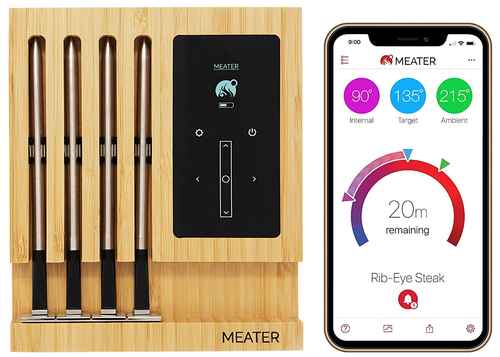
Use a meat thermometer for accuracy. Insert into the thickest part without touching bone. When it reads 165°F, the chicken is safe to eat.
Timing can vary slightly depending on the oven type, the starting temperature of the chicken, and whether it’s covered or uncovered. Therefore, monitoring and adjusting accordingly is critical.
How To Reheat Chicken At 400 Degrees In Oven
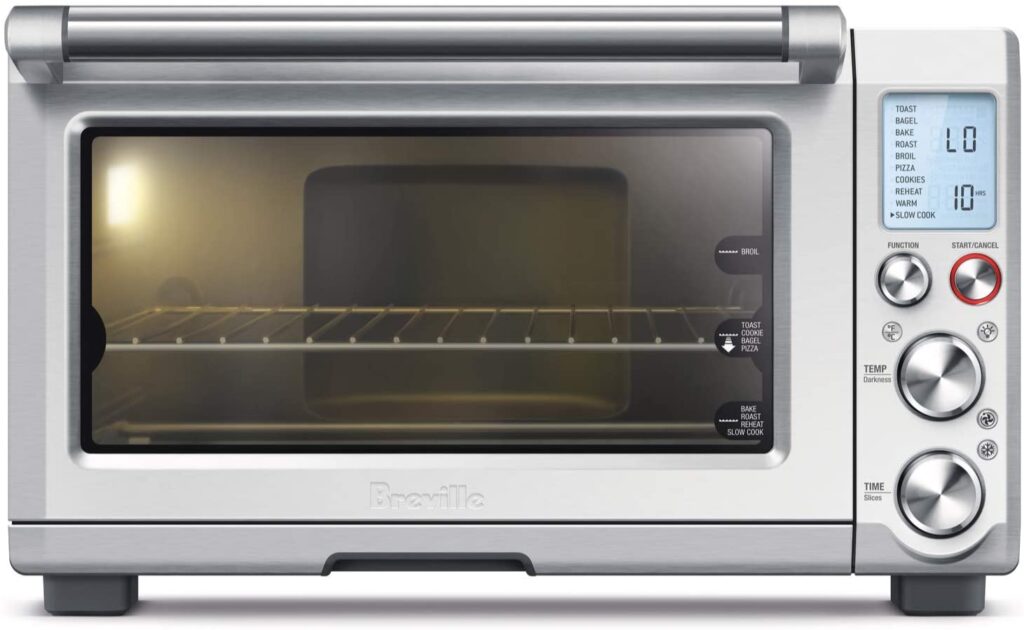
- Preheat the oven to 400°F. This ensures the chicken starts reheating immediately at the proper temperature.
-
Prepare The Chicken
- Remove from fridge and let it sit at room temperature for 10-15 minutes for even heating.
- Optional: Brush lightly with oil or butter to preserve moisture and enhance crispiness.
-
Arrange The Chicken On A Baking Sheet
- Use parchment paper or a wire rack to allow air circulation underneath, preventing soggy bottoms.
- Cover loosely with foil if the chicken is thick or skinless to avoid drying out the surface.
- Bake in the preheated oven: Follow the timing based on piece size. Turn or rotate halfway for even reheating.
- Check internal temperature: When it reaches 165°F, remove from oven and let rest for 2-3 minutes before serving.
This method ensures the chicken is evenly reheated, safe, and retains as much juiciness and flavor as possible.
When Not To Reheat Chicken In The Oven
There are times when reheating chicken in the oven is not recommended:
- Previously overcooked or dry chicken: Reheating can exacerbate dryness. Alternative methods like steaming or microwaving with moisture may be better.
- Extremely small portions or shredded chicken: Thin or shredded pieces can dry out quickly at 400°F.
- Chicken stored improperly: If chicken has been left at room temperature for over 2 hours, reheating is unsafe.
Knowing when not to use the oven prevents waste, foodborne illness, and culinary disappointment.
Reheating Chicken More Than Once
Reheating chicken multiple times is not ideal. Every cycle increases the risk of bacterial growth and reduces moisture and flavor. Best practices:
- Only reheat the portion you plan to eat immediately.
- Store leftovers in small, airtight containers in the fridge promptly.
- Avoid reheating more than once; repeated heating compromises safety and texture.
This approach ensures both safety and quality in your leftovers.
What If I Use A Different Oven Temperature?
Altering the oven temperature affects both reheating time and the texture of the chicken:
-
Lower Temperatures (300-350°F)
- Slower reheating, less risk of burning, retains moisture, but skin may remain soft.
-
Higher Temperatures (425-450°F)
- Faster heating, crispier skin, but higher risk of drying out the meat, especially thin pieces.
400°F is a balance between speed, moisture retention, and skin crispiness, but slight adjustments can be made based on your priorities.
What If I Use A Different Oven Cook Time?
Adjusting cook time affects the internal temperature and texture:
- Shorter time: Chicken may remain cold or undercooked in the center, which is unsafe.
- Longer time: Chicken may dry out and become tough.
Always prioritize checking internal temperature with a thermometer rather than relying solely on time, especially with varied portion sizes.
Best Ways To Reheat Chicken
- Oven (400°F): Best for crispiness and even heating.
- Skillet: Ideal for pan-fried or breaded chicken to maintain crust.
- Microwave (with moisture): Fastest, but can make the chicken rubbery if not done carefully.
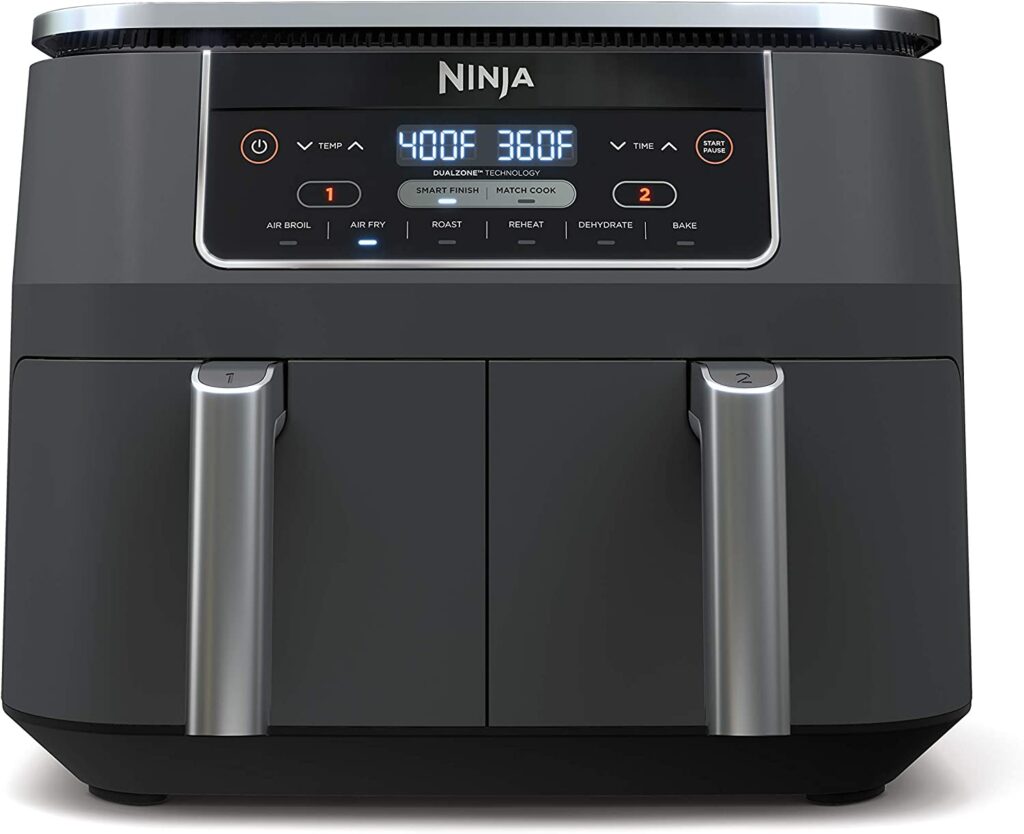
- Air fryer: Excellent for small portions and crispy skin; works similarly to oven but faster.
Selecting the right method depends on the chicken type, desired texture, and time available.
Tips For Optimal Reheating Results
- Bring to room temperature before reheating for even cooking.
- Use a meat thermometer to ensure safe internal temperature (165°F).
- Add moisture: Brush with oil, butter, or broth if meat is lean or skinless.
- Cover thick pieces with foil initially to prevent drying.
- Rotate or flip pieces halfway through for even heat distribution.
- Rest after reheating for 2-3 minutes to allow juices to redistribute.
Following these tips can transform reheated chicken from dry leftovers to a dish that rivals its freshly cooked counterpart.
FAQs
Is It Safe To Reheat Chicken At 400 Degrees In The Oven?
Yes, it is safe to reheat chicken at 400 degrees Fahrenheit, but it should be done carefully to prevent drying out the meat. Use an oven-safe dish and cover the chicken with foil to retain moisture.
How Long Does It Take To Reheat Chicken At 400 Degrees?
Reheating time depends on the size and type of chicken. Boneless pieces usually take 15-20 minutes, while bone-in pieces or larger cuts can take 25-30 minutes. Always check the internal temperature to ensure it reaches 165°F for safe consumption.
Should I Cover The Chicken When Reheating At 400 Degrees?
Yes, covering the chicken with foil helps trap moisture, preventing it from drying out. You can remove the foil in the last 5 minutes if you want the skin to crisp up.
Can I Reheat Leftover Fried Chicken At 400 Degrees?
Yes, reheating fried chicken at 400 degrees works well to restore crispiness. Place the chicken on a wire rack over a baking sheet and heat for 15-20 minutes, flipping halfway through if needed.
Will Reheating Chicken At 400 Degrees Make It Dry?
Chicken can dry out at high temperatures if reheated too long. To prevent this, cover it with foil, or brush it with a small amount of oil or sauce. Monitor the internal temperature to avoid overcooking.
Do I Need To Thaw Frozen Chicken Before Reheating At 400 Degrees?
Yes, it is recommended to thaw frozen chicken before reheating at 400 degrees. Reheating from frozen at this high temperature can cook the outside too quickly while leaving the inside undercooked.
What Is The Best Way To Check If Chicken Is Reheated Properly?
The safest way is to use a food thermometer. Insert it into the thickest part of the chicken, and it should read at least 165°F. Visual cues include hot steam rising from the meat and juices running clear.
Can I Reheat Chicken With Vegetables At 400 Degrees?
Yes, you can reheat chicken with vegetables at 400 degrees. However, consider the cooking time of the vegetables to avoid overcooking. Denser vegetables may need to be cut smaller or pre-cooked slightly.
Is It Better To Reheat Chicken At A Lower Temperature Than 400 Degrees?
Reheating at lower temperatures (around 325-350°F) is gentler and reduces the risk of drying out, especially for delicate or boneless chicken. 400°F is faster and works well if you want crispier skin, but requires careful monitoring.
Can I Reheat Chicken In The Oven Without Foil At 400 Degrees?
Yes, you can reheat chicken without foil if you want a crispier exterior, especially for skin-on pieces. To prevent drying, keep an eye on it and remove it from the oven as soon as it reaches 165°F internally.