
How To Reheat Churros In Oven [FULL GUIDE]
Churros, those golden, crispy, and sugary pastries, are a beloved treat with roots in Spanish and Latin American cuisine. Their delicate crunch and soft, airy interior make them irresistible, whether dusted with cinnamon sugar or paired with a luscious chocolate dipping sauce. However, like many fried delights, churros are best enjoyed fresh. Once they sit for a few hours-or worse, overnight-they can lose their signature texture, becoming soft or chewy. Reheating churros in the oven is a practical solution to restore that freshly fried crispiness, but it requires precision. Using the wrong temperature or cook time can result in overly dry, hard, or even burnt churros. In this guide, we’ll dive deeply into the nuances of reheating churros in the oven, ensuring each bite retains its original magic.
Contents
- 1 Best Temperature To Reheat Churros In Oven
- 2 Best Cooking Time To Reheat Churros In Oven
- 3 How To Reheat Churros In Oven
- 4 When Not To Reheat Churros In The Oven
- 5 Reheating Churros More Than Once
- 6 What If I Use A Different Oven Temperature?
- 7 What If I Use A Different Oven Cook Time?
- 8 Best Ways To Reheat Churros
- 9 Tips For Optimal Reheating Results
- 10 FAQs
- 10.1 What Is The Best Way To Reheat Churros In The Oven?
- 10.2 Should I Cover Churros With Foil When Reheating In The Oven?
- 10.3 Can I Reheat Frozen Churros In The Oven?
- 10.4 How Long Should Churros Be Reheated In The Oven?
- 10.5 Can I Reheat Churros Directly On The Oven Rack?
- 10.6 Will Reheating Churros In The Oven Make Them Taste As Good As Fresh?
- 10.7 Should I Sprinkle Sugar On Churros Before Or After Reheating?
- 10.8 Is It Necessary To Preheat The Oven When Reheating Churros?
- 10.9 Can I Reheat Churros With Chocolate Or Filling In The Oven?
- 10.10 What Is The Difference Between Reheating Churros In The Oven Versus A Microwave?
Best Temperature To Reheat Churros In Oven
The ideal oven temperature for reheating churros strikes a delicate balance: high enough to crisp the exterior, but low enough to warm the interior without drying it out. Experts and culinary enthusiasts often recommend a temperature range between 350°F (175°C) and 375°F (190°C).
At 350°F, the heat penetrates gradually, allowing the churros’ inner dough to warm evenly while gently crisping the outside. This temperature is ideal for churros that are slightly stale or have been stored in the refrigerator.
On the other hand, 375°F is better suited for churros that are only mildly cooled and need a quick refresh. It quickly restores crunch without over-drying. Anything above 400°F risks burning the sugar coating or creating an unpleasantly hard exterior before the inside has fully reheated.
Best Cooking Time To Reheat Churros In Oven
Reheating churros is not a matter of hours-it’s a precise, short process. Generally, 5 to 10 minutes is sufficient, depending on the size and density of the churros.
- Smaller churros or thinner sticks: 5-6 minutes at 350-375°F is usually enough.
- Thicker or larger churros: 8-10 minutes may be necessary to ensure the interior warms without leaving a cold center.
It’s crucial to monitor them closely during reheating. The sugar coating can caramelize quickly, and churros left too long in the oven can become dry or overly hard, losing the soft contrast that makes them so delightful.
How To Reheat Churros In Oven
Reheating churros properly is a simple but methodical process:
- Preheat the oven to 350-375°F (175-190°C). Preheating ensures consistent heat distribution.
- Line a baking sheet with parchment paper or a silicone mat. Avoid direct contact with a metal sheet, which can over-crisp the underside.
- Arrange churros in a single layer, ensuring they don’t touch. Crowding can trap moisture and prevent crisping.
- Place them in the oven and set a timer for 5 minutes. After 5 minutes, check for warmth and crispiness. Rotate the baking sheet if necessary.
- Finish reheating, typically 2-5 additional minutes depending on size. Remove once they are golden and crispy on the outside but warm inside.
- Optional: Lightly dust with extra cinnamon sugar immediately after removing them from the oven for a fresh, aromatic coating.
When Not To Reheat Churros In The Oven
There are situations where reheating churros in the oven may not yield good results:
- Extremely stale churros: If churros have been left out for more than a day, the interior may have dried too much, and oven reheating can make them harder.
- Excessively oily churros: Reheating oil-saturated churros can lead to smoke in the oven or greasy texture.
- Sugary-coated churros at very high temperatures: High sugar content can burn quickly, producing a bitter flavor.
In such cases, alternative reheating methods like a microwave with careful timing or steaming for a soft texture may be more appropriate.
Reheating Churros More Than Once
Reheating churros multiple times is generally discouraged. Each reheating cycle dries out the pastry further, causing it to lose both its crisp exterior and soft interior. If you absolutely must reheat more than once, do so at the lowest recommended temperature (around 325-330°F) and for the shortest time possible (3-5 minutes). Always check frequently to prevent over-drying.
What If I Use A Different Oven Temperature?
Adjusting oven temperature can significantly impact reheated churros:
- Lower temperatures (<325°F / 160°C): The interior may warm slowly without crisping the exterior. Churros can feel soft or underwhelming.
- Higher temperatures (>400°F / 205°C): Sugar can burn, and the outer layer can become excessively hard while the interior remains cool.
If you alter the temperature, adjust the cooking time accordingly: lower heat requires longer time, higher heat requires shorter time.
What If I Use A Different Oven Cook Time?
Cook time is closely tied to both oven temperature and churro size. If you extend cooking time too long at the recommended temperature, churros will dry out and harden. Conversely, shortening time can leave the interior cold or doughy.
Always check halfway through reheating and adjust incrementally. Even one or two minutes can make the difference between perfectly crisp churros and a disappointing batch.
Best Ways To Reheat Churros
Beyond the oven, there are other ways to reheat churros:
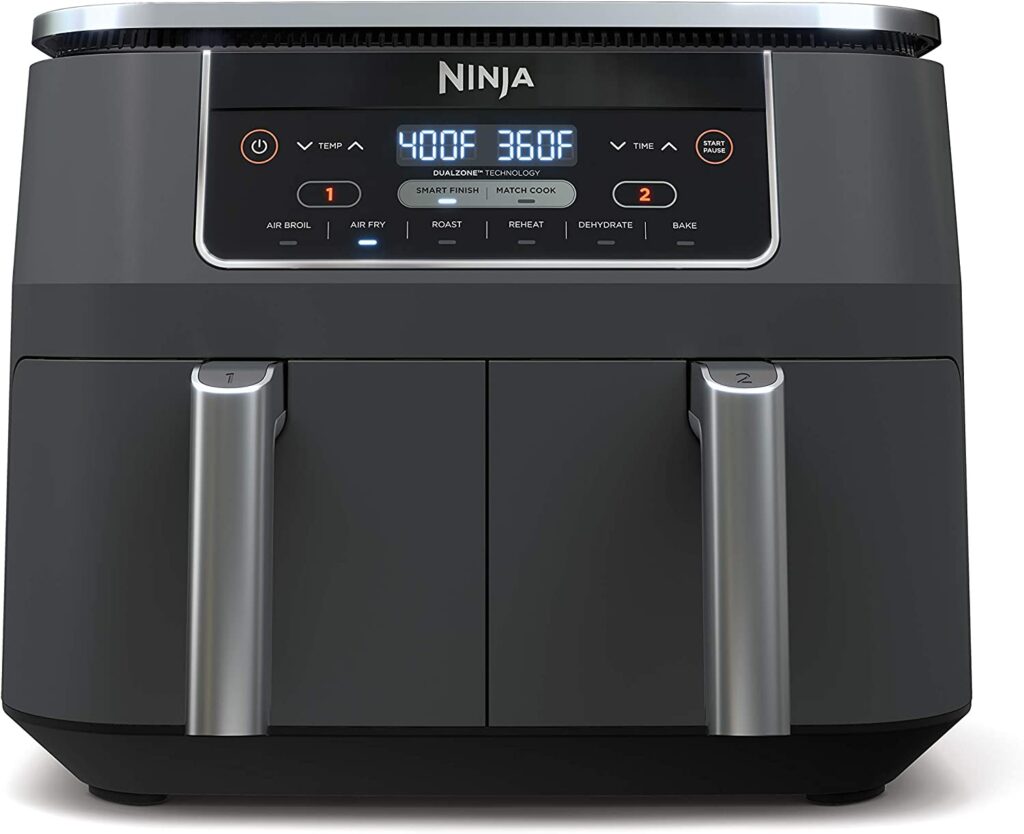
- Air Fryer: Set at 350°F for 3-5 minutes for a fast, evenly crisped result.
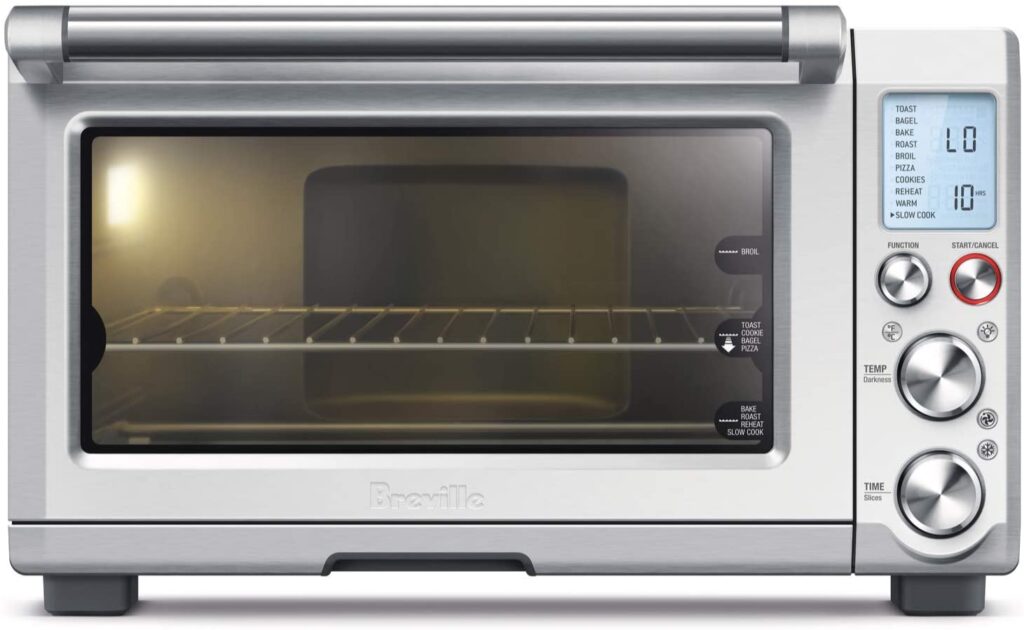
- Toaster Oven: Works similarly to a conventional oven, ideal for a single serving.
- Microwave (with caution): Only recommended for softening churros, not for crisping. Wrap in a slightly damp paper towel for 15-20 seconds.
For the best combination of crispiness and warmth, the oven remains the gold standard.
Tips For Optimal Reheating Results
- Avoid overcrowding: Proper airflow ensures even crisping.
- Preheat the oven: Cold ovens cause uneven reheating.
- Rotate if necessary: For even browning.
- Use parchment paper or silicone mats: Prevents sticking and burning.
- Monitor closely: Churros can go from perfect to burnt quickly.
- Add a light butter or sugar glaze after reheating: Enhances aroma and sweetness.
FAQs
What Is The Best Way To Reheat Churros In The Oven?
The best method is to preheat your oven to 350°F (175°C), place the churros on a baking sheet lined with parchment paper, and heat for 5-10 minutes until they are warm and crispy. This method preserves the exterior crunch and the soft interior.
Should I Cover Churros With Foil When Reheating In The Oven?
It is not recommended to cover churros with foil because covering traps steam, which can make them soggy. For optimal crispiness, leave them uncovered on the baking sheet.
Can I Reheat Frozen Churros In The Oven?
Yes. Preheat the oven to 375°F (190°C), place the frozen churros on a baking sheet, and heat for 10-15 minutes. Check halfway and flip them to ensure even reheating.
How Long Should Churros Be Reheated In The Oven?
Typically, churros take 5-10 minutes at 350°F (175°C) if fresh, and 10-15 minutes if frozen. Time may vary depending on the size and thickness of the churros.
Can I Reheat Churros Directly On The Oven Rack?
It’s better to place churros on a baking sheet rather than directly on the oven rack. This prevents sugar from falling into the oven and ensures more even heating.
Will Reheating Churros In The Oven Make Them Taste As Good As Fresh?
While reheated churros won’t be exactly like fresh ones, using the oven method restores much of their original crispiness and flavor, especially compared to microwaving.
Should I Sprinkle Sugar On Churros Before Or After Reheating?
It’s best to sprinkle sugar after reheating. Reheating can melt sugar, causing a sticky texture, whereas adding it after preserves the classic sugary coating.
Is It Necessary To Preheat The Oven When Reheating Churros?
Yes. Preheating ensures the churros heat evenly and retain their texture. Placing them in a cold oven may result in uneven heating and a soggy exterior.
Can I Reheat Churros With Chocolate Or Filling In The Oven?
Yes, but caution is needed. Fillings can become very hot and may leak. Reheat at a slightly lower temperature, around 325°F (160°C), for 8-10 minutes, and monitor closely.
What Is The Difference Between Reheating Churros In The Oven Versus A Microwave?
The oven method preserves the crisp exterior and soft interior, while microwaving tends to make churros soggy or chewy. For best results, the oven is recommended.