
How To Reheat Crawfish In Oven [FULL GUIDE]
Crawfish, with their tender, succulent meat and spicy, savory flavor, are a true delicacy of Southern cuisine. Often enjoyed at gatherings, festivals, or simple family dinners, these tiny crustaceans offer a burst of taste that can’t be easily replicated. However, leftovers are a common scenario, and the delicate balance of flavor and texture that makes crawfish so enjoyable can be easily compromised when reheated improperly. While some might instinctively turn to the microwave or stovetop, using an oven to reheat crawfish can preserve both taste and texture when done correctly. This guide delves into the optimal methods, times, and temperatures to bring your crawfish back to life without losing the very essence of what makes them so delicious.
Contents
- 1 Best Temperature To Reheat Crawfish In Oven
- 2 Best Cooking Time To Reheat Crawfish In Oven
- 3 How To Reheat Crawfish In Oven
- 4 When Not To Reheat Crawfish In The Oven
- 5 Reheating Crawfish More Than Once
- 6 What If I Use A Different Oven Temperature?
- 7 What If I Use A Different Oven Cook Time?
- 8 Best Ways To Reheat Crawfish
- 9 Tips For Optimal Reheating Results
- 10 FAQs
- 10.1 What Is The Best Way To Reheat Crawfish In The Oven?
- 10.2 Should I Add Water Or Seasoning When Reheating Crawfish In The Oven?
- 10.3 Is It Safe To Reheat Crawfish In The Oven?
- 10.4 How Long Does It Take To Reheat Crawfish In The Oven?
- 10.5 Can I Reheat Frozen Crawfish In The Oven Directly?
- 10.6 Should I Cover The Crawfish When Reheating In The Oven?
- 10.7 Can I Reheat Crawfish With The Seasoning Bag It Came With?
- 10.8 How Can I Prevent Crawfish From Drying Out In The Oven?
- 10.9 Can I Reheat Crawfish In The Oven With Other Seafood?
- 10.10 Is It Better To Reheat Crawfish In The Oven Or On The Stovetop?
Best Temperature To Reheat Crawfish In Oven
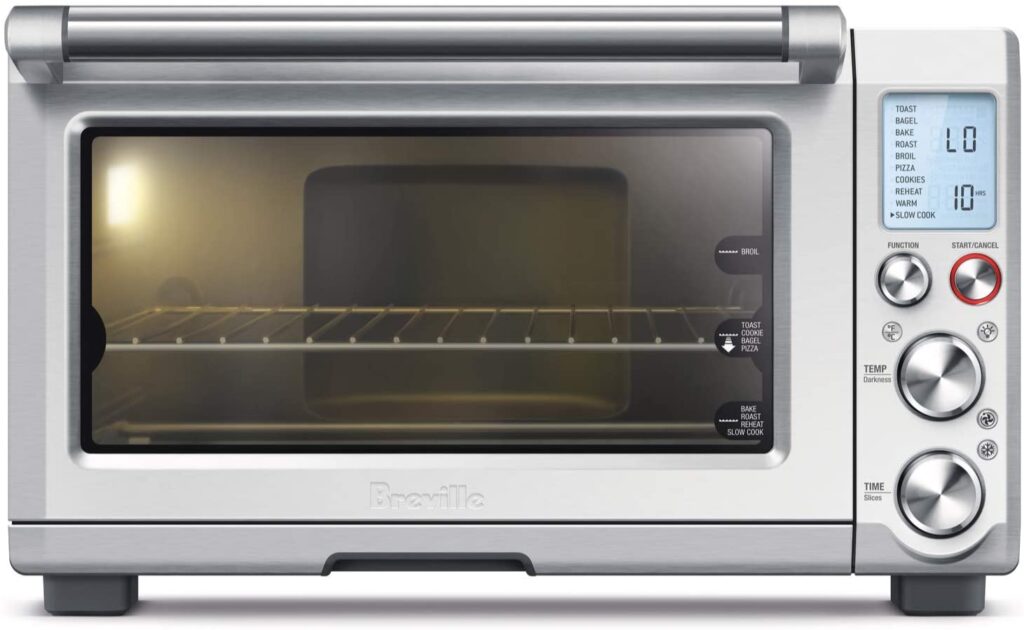
When it comes to reheating crawfish, temperature control is crucial. The ideal oven temperature for reheating crawfish ranges between 325°F to 350°F (163°C to 177°C). This temperature range is high enough to warm the crawfish thoroughly without overcooking the meat or drying it out.
At temperatures below 325°F, the reheating process can become sluggish, leading to uneven warming and potentially allowing bacteria to develop if the food sits too long in a lukewarm state. Conversely, temperatures above 350°F risk overcooking the crawfish, causing the meat to toughen and the shells to become brittle.
Using the moderate heat of 325-350°F allows the internal juices to redistribute, maintaining the signature moist, tender texture that makes crawfish so enjoyable. Additionally, it ensures that any seasoning or spices remain intact, preserving the full flavor profile.
Best Cooking Time To Reheat Crawfish In Oven
The cooking time for reheating crawfish in the oven depends on both the quantity and whether the crawfish is shelled or in-shell. For a standard batch of in-shell crawfish, 15-20 minutes is usually sufficient. Shelled crawfish may only require 10-15 minutes because the heat can penetrate directly to the meat.
To ensure even reheating, it’s important to check the crawfish periodically. Overcooking can result in tough, rubbery meat, while undercooking leaves the crawfish cold and unappetizing. A good practice is to remove the tray halfway through and gently shake or stir the crawfish to distribute heat evenly.
How To Reheat Crawfish In Oven
- Preheat the Oven: Set your oven to 325-350°F. Preheating is essential to ensure even heat distribution.
- Prepare the Crawfish: Place the crawfish in an oven-safe dish. If the crawfish are dry, lightly sprinkle a few tablespoons of water, stock, or a bit of melted butter to add moisture. Cover the dish with aluminum foil to trap steam and prevent drying.
- Reheat: Place the dish in the oven and heat for 10-20 minutes depending on quantity and whether the crawfish is shelled or in-shell.
- Check for Doneness: Carefully remove the foil and check the crawfish. They should be steaming hot, with the meat tender but not overcooked.
- Serve Immediately: For the best flavor and texture, serve immediately after reheating.
When Not To Reheat Crawfish In The Oven
Not all crawfish leftovers are suitable for reheating. Avoid reheating if:
- The crawfish has been stored for more than 2-3 days in the refrigerator. Seafood spoils quickly and can become unsafe to eat.
- The crawfish has an unusual smell or slimy texture, indicating bacterial growth.
- The crawfish was previously reheated multiple times. Each reheating cycle further degrades flavor and texture.
If any of these conditions are present, it’s safer to discard the crawfish rather than risk foodborne illness.
Reheating Crawfish More Than Once
Reheating crawfish more than once is strongly discouraged. Each reheating cycle causes the delicate meat to lose moisture and become tough. Additionally, repeated heating increases the risk of bacterial contamination, especially if the crawfish spends extended periods at unsafe temperatures. Ideally, reheat only the portion you plan to consume immediately.
What If I Use A Different Oven Temperature?
Deviating from the recommended 325-350°F can significantly affect the outcome:
- Lower than 325°F: Crawfish may take longer to heat, resulting in uneven warming. The meat may remain partially cold while the outer shell warms, creating a poor eating experience.
- Higher than 350°F: The crawfish can overcook quickly. The shells may become brittle, and the meat may dry out and lose its characteristic tenderness.
In short, staying within the recommended range ensures consistent, enjoyable results.
What If I Use A Different Oven Cook Time?
Cooking times outside the suggested 10-20 minutes also carry risks:
- Shorter cooking time: Crawfish may not reach a safe temperature internally, leaving them cold or unevenly reheated.
- Longer cooking time: Extended exposure to heat can make the meat tough, rubbery, and dry, diminishing both texture and flavor.
Monitoring the crawfish and adjusting time based on quantity and shell status is critical for optimal results.
Best Ways To Reheat Crawfish
While the oven is a reliable method, other techniques may be used depending on convenience:
- Steaming: Placing crawfish in a steamer preserves moisture and prevents drying.
- Microwaving: Quick but less precise. Best for small portions and requires adding a bit of moisture and covering to prevent drying.
- Stovetop: Using a covered skillet with a small amount of liquid works well for batches, especially when adding seasonings or butter.
Each method has pros and cons, but the oven balances heat, moisture retention, and flavor preservation effectively.
Tips For Optimal Reheating Results
- Use foil or a lid: Trapping steam prevents the meat from drying out.
- Add moisture: A splash of water, stock, or butter helps maintain tenderness.
- Avoid overcrowding: Spread crawfish evenly in the dish for uniform heating.
- Check halfway: Stir or shake the tray for even cooking.
- Serve promptly: Reheated crawfish are best enjoyed immediately for peak flavor and texture.
FAQs
What Is The Best Way To Reheat Crawfish In The Oven?
The best method is to preheat the oven to 350°F (175°C), spread the crawfish on a baking sheet in a single layer, cover loosely with aluminum foil to retain moisture, and heat for 10-15 minutes until thoroughly warmed.
Should I Add Water Or Seasoning When Reheating Crawfish In The Oven?
Adding a small amount of water or broth can help keep the crawfish moist. You may also sprinkle a little extra seasoning or melted butter to enhance flavor, but avoid over-seasoning since crawfish are already flavorful.
Is It Safe To Reheat Crawfish In The Oven?
Yes, it is safe if the crawfish are reheated to an internal temperature of 165°F (74°C) to eliminate any bacteria. Ensure even heating by spreading the crawfish in a single layer and occasionally stirring or flipping them.
How Long Does It Take To Reheat Crawfish In The Oven?
Typically, it takes 10-15 minutes at 350°F (175°C), depending on the quantity and size of the crawfish. Check that they are hot throughout before serving.
Can I Reheat Frozen Crawfish In The Oven Directly?
It is not recommended to reheat frozen crawfish directly in the oven. Thaw them in the refrigerator overnight or under cold running water first to ensure even reheating without overcooking.
Should I Cover The Crawfish When Reheating In The Oven?
Yes, loosely covering with aluminum foil prevents the crawfish from drying out while still allowing steam to circulate for even reheating.
Can I Reheat Crawfish With The Seasoning Bag It Came With?
It is possible, but ensure the bag is oven-safe. A safer method is to transfer the crawfish and seasoning into an oven-safe dish or baking sheet and cover with foil to preserve flavor and moisture.
How Can I Prevent Crawfish From Drying Out In The Oven?
To prevent dryness, cover the crawfish with foil, add a splash of water or broth, and avoid overheating. Reheating in a single layer helps maintain even moisture throughout.
Can I Reheat Crawfish In The Oven With Other Seafood?
Yes, but adjust cooking times based on the type of seafood to avoid overcooking. Delicate items like shrimp may require less time, while crab legs or larger shellfish may need slightly longer reheating.
Is It Better To Reheat Crawfish In The Oven Or On The Stovetop?
The oven provides even, gentle heat for larger batches and helps retain moisture when covered. The stovetop is faster for small portions but requires more attention to avoid overcooking.