
How To Reheat Detroit-style Pizza In Oven [FULL GUIDE]
Detroit-style pizza, known for its thick, airy crust, crispy cheese edges, and robust toppings, is a culinary treasure that stands apart from traditional pizza styles. Its rectangular shape and caramelized cheese rim give it a distinctive character, but these very qualities also pose challenges when reheating. Unlike thinner-crust pizzas that can quickly become soggy or rubbery, Detroit-style pizza requires careful handling to preserve its signature texture: a crisp exterior, a soft and tender interior, and cheese that remains bubbly without turning greasy. Reheating it properly ensures every bite retains the authentic balance of crunch, softness, and flavor that makes it irresistible.
Contents
- 1 Best Temperature To Reheat Detroit-style Pizza In Oven
- 2 Best Cooking Time To Reheat Detroit-style Pizza In Oven
- 3 How To Reheat Detroit-style Pizza In Oven
- 4 When Not To Reheat Detroit-style Pizza In The Oven
- 5 Reheating Detroit-style Pizza More Than Once
- 6 What If I Use A Different Oven Temperature?
- 7 What If I Use A Different Oven Cook Time?
- 8 Best Ways To Reheat Detroit-style Pizza
- 9 Tips For Optimal Reheating Results
- 10 FAQs
- 10.1 What Is The Best Temperature To Reheat Detroit-style Pizza In The Oven?
- 10.2 Should I Cover The Pizza With Foil When Reheating?
- 10.3 How Long Does It Take To Reheat Detroit-style Pizza In The Oven?
- 10.4 Can I Reheat Detroit-style Pizza From Frozen In The Oven?
- 10.5 Should I Use A Baking Sheet Or Pizza Stone?
- 10.6 Can I Add Extra Toppings Or Cheese Before Reheating?
- 10.7 How Do I Keep The Crust From Becoming Soggy?
- 10.8 Is It Safe To Reheat Detroit-style Pizza Multiple Times?
- 10.9 Can I Reheat Detroit-style Pizza Without Preheating The Oven?
- 10.10 How Do I Tell When The Pizza Is Fully Reheated?
Best Temperature To Reheat Detroit-style Pizza In Oven
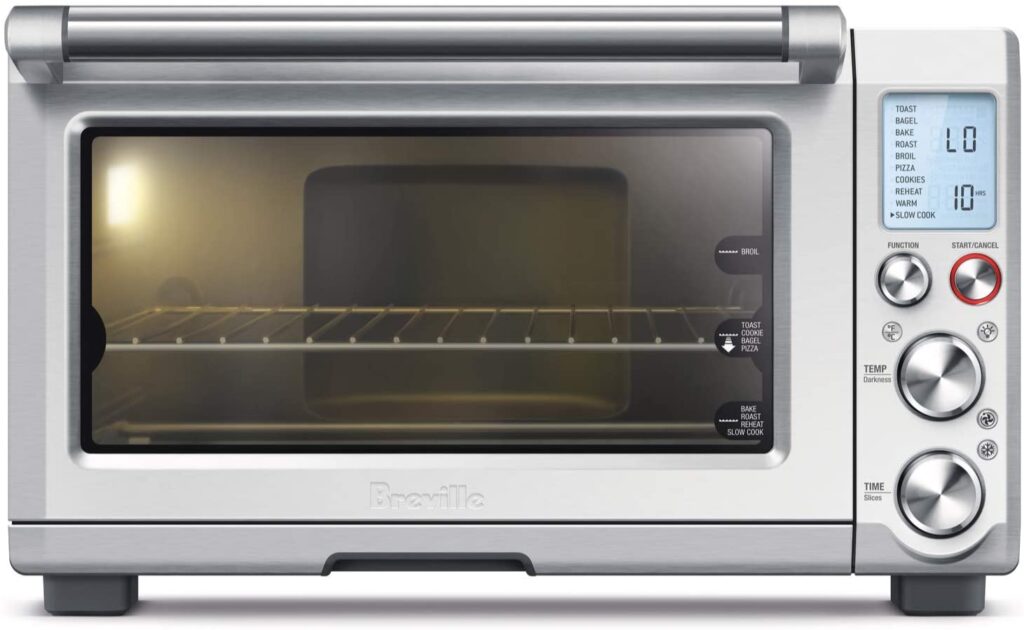
Achieving the perfect reheated slice starts with the oven temperature. The ideal range is 375°F to 400°F (190°C to 200°C). This temperature is hot enough to restore the crispiness of the crust and melt the cheese evenly but not so high that the pizza burns or dries out.

- Lower than 375°F (190°C): The pizza will heat slowly, which may lead to a chewy, dense crust and uneven cheese melting.
- Higher than 400°F (200°C): The edges may burn before the interior heats through, especially with thicker Detroit-style crusts.
A moderate, controlled temperature ensures that the pizza’s unique caramelized cheese edges regain their crunch without overcooking the tender interior.
Best Cooking Time To Reheat Detroit-style Pizza In Oven
Timing is just as critical as temperature. For optimal results, reheat the pizza for 8-12 minutes. However, several factors influence the exact timing:
- Thickness of the crust: Thicker slices may need closer to 12 minutes to heat through.
- Topping density: Heavier toppings such as sausage or vegetables may require slightly longer to ensure even warming.
- Oven efficiency: Convection ovens typically reduce reheating time by 1-2 minutes due to better heat circulation.
Check the pizza after 8 minutes; the cheese should be bubbly, and the crust should regain a golden-brown crisp without appearing dried out.
How To Reheat Detroit-style Pizza In Oven
Reheating Detroit-style pizza properly involves a few key steps:
- Preheat your oven to 375°F-400°F (190°C-200°C).
- Place the pizza on a baking sheet or directly on the oven rack for maximum crispiness. Using a baking sheet lined with parchment paper works well for softer bottoms, while placing it on the rack ensures the crust crisps evenly.
- Cover lightly with foil if the cheese edges are at risk of burning; this helps trap heat without drying the toppings.
- Bake for 8-12 minutes, checking periodically. Rotate the pizza if your oven has hot spots to ensure uniform heating.
- Remove and let it rest for 1-2 minutes before slicing. This allows residual heat to complete the warming process and prevents cheese from sliding off when cut.
When Not To Reheat Detroit-style Pizza In The Oven
There are instances when reheating in the oven may not be ideal:
- Slices with extremely delicate toppings (like fresh basil or arugula) that may wilt or burn.
- Thinly cut edges that have already crisped-these may become overly brittle or charred in the oven.
- Multiple reheats-if the pizza has already been reheated once, a second oven reheating may dry it out excessively.
In these cases, alternative reheating methods, like a skillet or air fryer, may be more suitable.
Reheating Detroit-style Pizza More Than Once
Reheating Detroit-style pizza multiple times is not recommended. Each reheating cycle further dries out the crust, diminishes the caramelized cheese quality, and can compromise the integrity of toppings. Ideally, pizza should be reheated only once, and any leftovers should be stored properly in the refrigerator or freezer to prevent moisture loss before reheating.
What If I Use A Different Oven Temperature?
Adjusting the oven temperature significantly affects texture:
- Lower temperature (325°F-350°F / 160°C-175°C): The pizza warms more slowly, which can keep the interior soft but may result in a less crispy crust.
- Higher temperature (425°F / 220°C or above): The exterior may over-crisp or burn before the interior heats through. Cheese may bubble aggressively and risk separation.
Always balance heat intensity with the pizza’s thickness and topping density to avoid uneven results.
What If I Use A Different Oven Cook Time?
Cooking time must align with temperature:
- Shorter time than recommended: Pizza may be underheated, leaving the cheese partially solid and the crust cold.
- Longer time than recommended: Pizza may dry out, and the cheese can become rubbery or overly greasy.
It’s best to monitor the pizza visually-look for bubbly cheese, lightly browned crust edges, and steaming toppings-to determine the optimal endpoint.
Best Ways To Reheat Detroit-style Pizza
While the oven is ideal, other methods include:
- Skillet on the stove: Heat over low to medium heat with a lid on for 4-6 minutes. This preserves crust crispness and avoids drying.
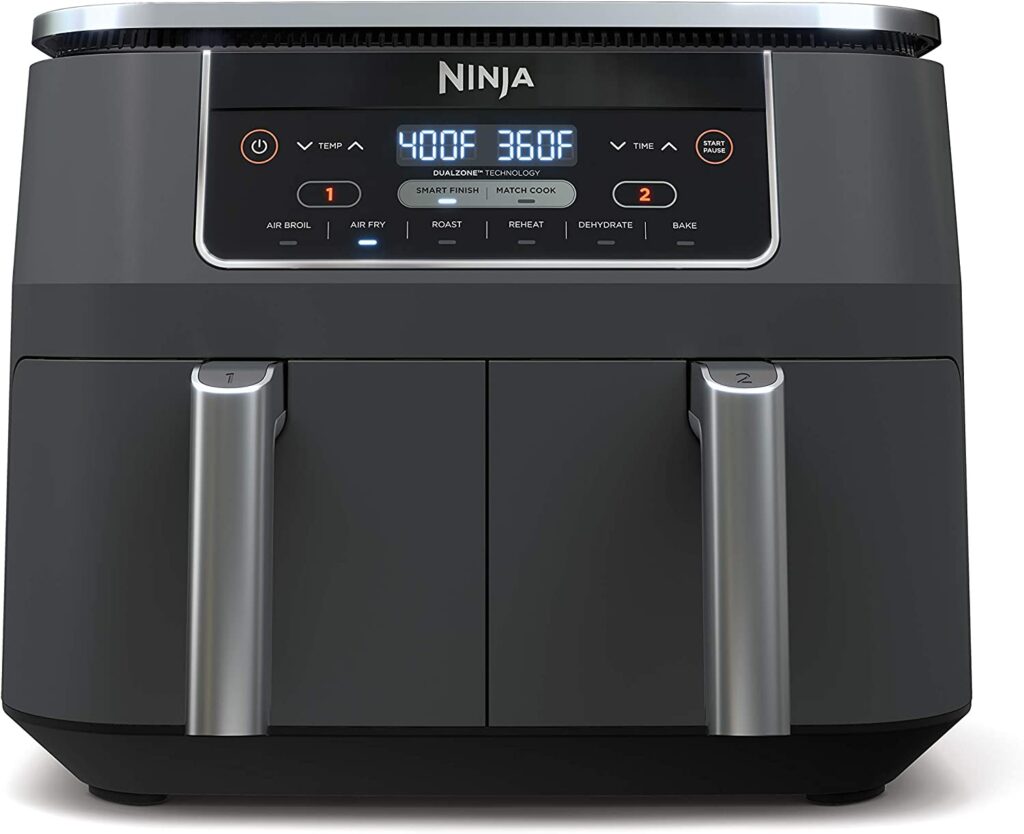
- Air fryer: Set to 350°F (175°C) for 3-5 minutes. This works well for small slices, ensuring a crisp exterior.
- Microwave (least recommended): Quick but risks soggy crust. Place a cup of water in the microwave to reduce moisture concentration, but this will not replicate the oven’s crispiness.
Tips For Optimal Reheating Results
- Preheat the oven fully before placing the pizza inside.
- Avoid stacking slices; reheat individually to ensure even heating.
- Use foil strategically to prevent excessive browning of cheese edges.
- Rotate pizza halfway through baking if your oven has uneven heat distribution.
- Let pizza rest briefly after reheating; this helps cheese set slightly and prevents messy slices.
FAQs
What Is The Best Temperature To Reheat Detroit-style Pizza In The Oven?
The optimal temperature to reheat Detroit-style pizza is 375°F (190°C). This allows the crust to become crispy without overcooking the toppings or cheese.
Should I Cover The Pizza With Foil When Reheating?
Covering the pizza with aluminum foil for the first few minutes can prevent the cheese from burning while allowing the pizza to heat evenly. Remove the foil for the last 2-3 minutes to crisp the crust.
How Long Does It Take To Reheat Detroit-style Pizza In The Oven?
Reheating typically takes 10-15 minutes, depending on the thickness of the crust and the amount of toppings. Check around 10 minutes to avoid overcooking.
Can I Reheat Detroit-style Pizza From Frozen In The Oven?
Yes, you can. Preheat the oven to 375°F (190°C) and bake the pizza for 20-25 minutes, covering with foil initially to prevent excessive browning.
Should I Use A Baking Sheet Or Pizza Stone?
A baking sheet works well for reheating, but a pizza stone can enhance the crispiness of the crust. Preheat the stone before placing the pizza on it.
Can I Add Extra Toppings Or Cheese Before Reheating?
Yes, you can add extra toppings or cheese, but be mindful that adding too much may require a slightly longer reheating time and could affect crust crispiness.
How Do I Keep The Crust From Becoming Soggy?
To prevent sogginess, avoid reheating on low heat or covering the pizza completely for the entire duration. A moderate oven temperature and a short uncovered period at the end helps retain crispiness.
Is It Safe To Reheat Detroit-style Pizza Multiple Times?
While it is safe to reheat pizza once, multiple reheatings can degrade texture and flavor. It’s recommended to only reheat what you plan to eat immediately.
Can I Reheat Detroit-style Pizza Without Preheating The Oven?
Preheating the oven is strongly recommended because starting with a cold oven can result in uneven heating and a less crispy crust.
How Do I Tell When The Pizza Is Fully Reheated?
The pizza is ready when the cheese is bubbling, the edges are slightly browned, and the crust is crispy. You can also check the center with a fork to ensure it is heated through.