
How To Reheat Digiorno Pizza In Oven [FULL GUIDE]
There’s something undeniably satisfying about pizza straight from the oven-the melted cheese stretching with every bite, the crispy yet chewy crust, and the perfectly balanced toppings. However, leftover Digiorno pizza doesn’t always retain that same magic. Reheating it improperly can leave the crust soggy, the cheese rubbery, and the toppings dry or overcooked. Reheating pizza may seem simple, but achieving the ideal texture and flavor requires attention to temperature, timing, and technique. Using an oven is one of the best methods, as it evenly warms the pizza and preserves its original characteristics better than a microwave or stovetop. This guide explores everything you need to know to bring your Digiorno pizza back to life with optimal taste and texture.
Contents
- 1 Best Temperature To Reheat Digiorno Pizza In The Oven
- 2 Best Cooking Time To Reheat Digiorno Pizza In The Oven
- 3 How To Reheat Digiorno Pizza In The Oven
- 4 When Not To Reheat Digiorno Pizza In The Oven
- 5 Reheating Digiorno Pizza More Than Once
- 6 What If I Use A Different Oven Temperature?
- 7 What If I Use A Different Oven Cook Time?
- 8 Best Ways To Reheat Digiorno Pizza
- 9 Tips For Optimal Reheating Results
- 10 FAQs
- 10.1 What Is The Best Way To Reheat Digiorno Pizza In The Oven?
- 10.2 Should I Use Foil When Reheating Digiorno Pizza In The Oven?
- 10.3 Can I Reheat Digiorno Pizza Directly On The Oven Rack?
- 10.4 How Long Does It Take To Reheat Digiorno Pizza In The Oven?
- 10.5 Can I Reheat A Frozen Digiorno Pizza In The Oven?
- 10.6 What Temperature Is Best For Reheating Digiorno Pizza In The Oven?
- 10.7 Can I Reheat Multiple Slices Of Digiorno Pizza At Once?
- 10.8 How Can I Make The Crust Crispy When Reheating Digiorno Pizza?
- 10.9 Is It Safe To Reheat Digiorno Pizza In The Oven More Than Once?
- 10.10 Can I Use Convection Mode To Reheat Digiorno Pizza In The Oven?
Best Temperature To Reheat Digiorno Pizza In The Oven
Finding the right oven temperature is critical when reheating Digiorno pizza. Too low, and the pizza warms unevenly, leaving cold pockets in the crust or undercooked cheese. Too high, and you risk burning the crust or drying out the toppings.

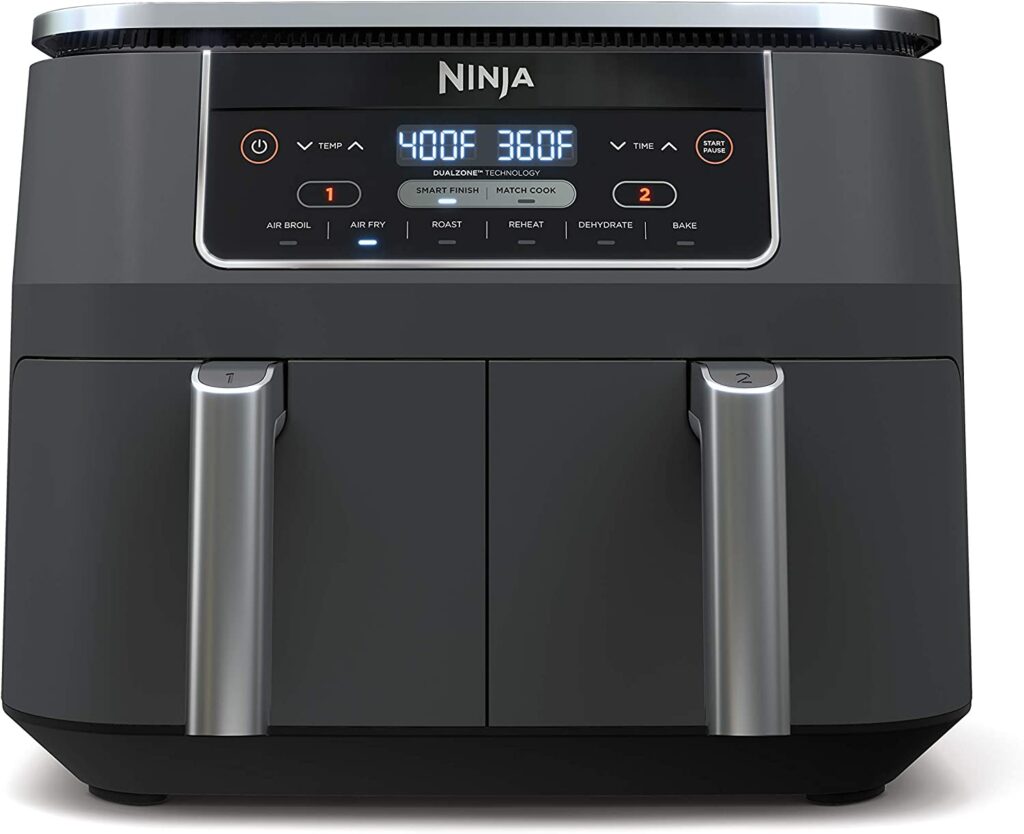
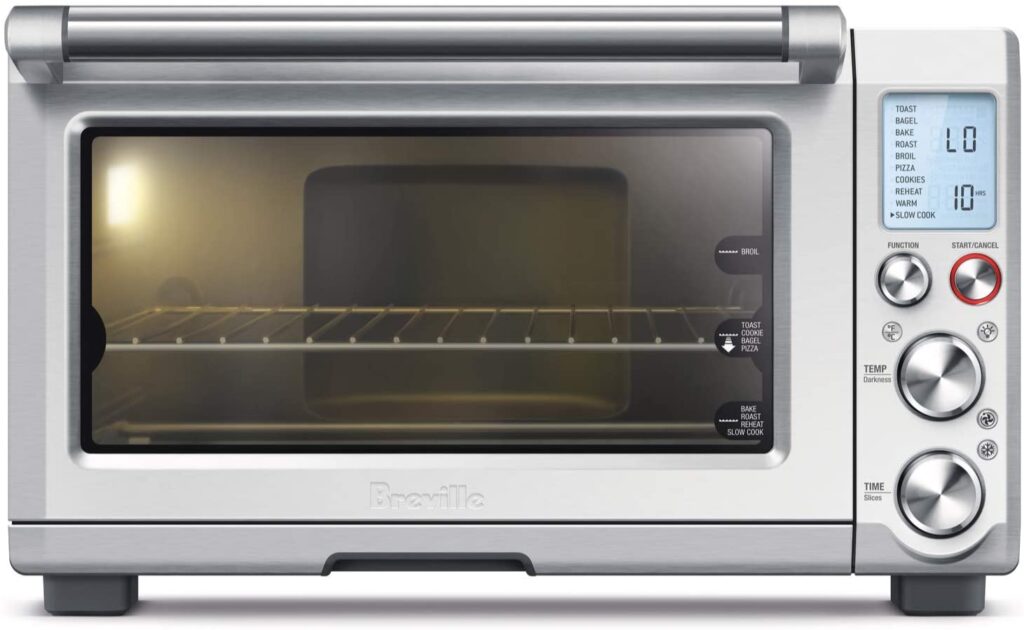
The ideal temperature for reheating frozen or leftover Digiorno pizza in a conventional oven is 375°F (190°C). This temperature is hot enough to evenly melt the cheese and warm the toppings without overcooking the crust. Some people prefer slightly higher temperatures, like 400°F (205°C), for a crispier crust, but this requires close monitoring to prevent burning. On the other hand, a lower temperature, around 325°F (160°C), can work for gently warming pizza, but it may result in a softer, less satisfying crust.
Best Cooking Time To Reheat Digiorno Pizza In The Oven
Timing is just as crucial as temperature. For most Digiorno pizzas, the recommended reheating time is 10-15 minutes when preheated to 375°F (190°C). This allows the heat to penetrate the crust, melt the cheese evenly, and warm the toppings thoroughly.
For thin-crust varieties, aim for the shorter end of the spectrum (10-12 minutes) to avoid overcooking. Thick-crust or stuffed varieties may require closer to 15 minutes. Remember that ovens vary, so checking your pizza at around the 10-minute mark is wise, especially if you’re unfamiliar with your oven’s heating pattern.
How To Reheat Digiorno Pizza In The Oven
To achieve the best results when reheating Digiorno pizza in the oven, follow these steps:
- Preheat the oven to 375°F (190°C). Preheating ensures the pizza warms evenly from the start.
- Prepare your baking surface: Place the pizza on a baking sheet or directly on the oven rack for a crispier crust. Lining the sheet with aluminum foil or parchment paper can make cleanup easier without affecting the crust too much.
- Reheat the pizza: Place the pizza in the oven and set a timer for 10 minutes. Check at 10 minutes, and if the cheese isn’t fully melted or the crust isn’t warm enough, add 1-2 more minutes.
- Check for doneness: The pizza is ready when the cheese is bubbly, the edges are lightly browned, and the crust feels firm but not overly hard.
- Serve immediately: Pizza tastes best when served right out of the oven while the cheese is gooey and the crust is crisp.
When Not To Reheat Digiorno Pizza In The Oven
While the oven is ideal for reheating, there are times when it may not be the best choice:
- Excessively large slices: Very thick or oversized slices may not heat evenly in the oven, leaving cold pockets. Consider slicing them smaller before reheating.
- If in a hurry: Oven reheating requires patience. For a fast solution, a microwave may suffice, though the texture will suffer.
- Multiple reheats: Repeatedly reheating pizza in the oven can dry it out and make the crust overly tough.
Reheating Digiorno Pizza More Than Once
Reheating pizza multiple times is generally not recommended. Each reheating cycle removes moisture from the crust and can make the cheese rubbery. If you must reheat more than once, consider reheating in shorter intervals at lower temperatures (325-350°F) to minimize drying. Another option is to freeze leftover slices immediately after the first reheating, then reheat directly from frozen to preserve flavor.
What If I Use A Different Oven Temperature?
Changing the oven temperature alters the reheating outcome:
- Lower temperatures (325-350°F / 160-175°C): Gently warms pizza but may leave the crust softer. Better for very thick crusts or when reheating multiple slices slowly.
- Higher temperatures (400-425°F / 205-220°C): Produces a crispier, almost fresh-baked crust, but requires careful monitoring to prevent burnt edges.
- Extreme temperatures (>450°F / 230°C): Not recommended for reheating, as it can quickly burn the pizza while leaving toppings unevenly heated.
What If I Use A Different Oven Cook Time?
Cooking time is closely linked to oven temperature. Shorter times at high heat may brown the crust before the cheese melts. Longer times at lower heat may over-dry the pizza. Always check periodically, and use visual cues like bubbling cheese and lightly golden crust to judge doneness rather than relying solely on a timer.
Best Ways To Reheat Digiorno Pizza
While the oven is preferred, here are the top ways to reheat:
- Conventional Oven: Best overall-crispy crust, evenly melted cheese.
- Toaster Oven: Similar results to a full oven, ideal for 1-2 slices.
- Skillet on Stovetop: Quick method; keep heat medium-low and cover with a lid to melt cheese.
- Microwave: Fast but often soggy; place a cup of water in the microwave to reduce sogginess.
Tips For Optimal Reheating Results
- Preheat the oven: Never skip this step.
- Avoid overlapping slices: Each slice should have space for even heating.
- Use a baking stone or preheated sheet: Enhances crust crispness.
- Add a touch of moisture if needed: A few drops of water on the crust edges can prevent excessive dryness.
- Monitor closely: Every oven behaves differently-watch for bubbling cheese and golden crust.
FAQs
What Is The Best Way To Reheat Digiorno Pizza In The Oven?
The best way to reheat Digiorno pizza is to preheat your oven to 375°F (190°C), place the pizza slices on a baking sheet, and cover them loosely with aluminum foil. Heat for 10-15 minutes until the cheese is melted and the crust is crispy.
Should I Use Foil When Reheating Digiorno Pizza In The Oven?
Yes, covering the pizza with foil helps prevent the crust from drying out while ensuring the toppings heat evenly. Remove the foil for the last 2-3 minutes if you want a crispier crust.
Can I Reheat Digiorno Pizza Directly On The Oven Rack?
Yes, you can place the pizza directly on the oven rack for a crispier crust. Place a sheet of aluminum foil or a baking sheet on the lower rack to catch any drips from cheese or toppings.
How Long Does It Take To Reheat Digiorno Pizza In The Oven?
Typically, reheating takes 10-15 minutes at 375°F (190°C), depending on the thickness of the crust and the amount of toppings. Check periodically to avoid burning.
Can I Reheat A Frozen Digiorno Pizza In The Oven?
Yes, if the pizza is frozen, preheat the oven to 400°F (204°C) and bake for 20-25 minutes. It’s recommended to place it on a baking sheet and cover with foil for even heating.
What Temperature Is Best For Reheating Digiorno Pizza In The Oven?
A temperature of 375°F (190°C) is optimal for reheating slices without drying out the crust or toppings. For a frozen pizza, a slightly higher temperature of 400°F (204°C) works better.
Can I Reheat Multiple Slices Of Digiorno Pizza At Once?
Yes, you can reheat multiple slices. Arrange them in a single layer on a baking sheet to ensure even heating. Overlapping slices can lead to uneven reheating.
How Can I Make The Crust Crispy When Reheating Digiorno Pizza?
For a crispier crust, remove the foil for the last few minutes of reheating or place the slices directly on a preheated baking sheet or oven rack. Using a pizza stone can also improve crispiness.
Is It Safe To Reheat Digiorno Pizza In The Oven More Than Once?
It is safe to reheat pizza more than once, but repeated reheating can dry out the crust and reduce the quality of toppings. It is recommended to reheat only the portion you plan to eat immediately.
Can I Use Convection Mode To Reheat Digiorno Pizza In The Oven?
Yes, using the convection setting can reheat pizza faster and give a crispier crust. Reduce the oven temperature by 25°F (about 15°C) from the standard baking temperature to avoid overcooking.