
How To Reheat Dinner In Oven [FULL GUIDE]
Reheating dinner in the oven is an art as much as it is a science. While microwaves are convenient, they often leave food unevenly heated, soggy, or rubbery. The oven, on the other hand, allows for consistent, thorough warming while preserving texture, flavor, and moisture-especially for roasted meats, casseroles, baked pasta, and breaded items. However, reheating in the oven requires careful attention to temperature, timing, and technique to prevent overcooking or drying out your meal. Understanding these elements can transform leftover dinner into a dish that tastes almost freshly made. In this guide, we’ll explore everything you need to know to reheat dinner in the oven safely and deliciously.
Contents
- 1 Best Temperature To Reheat Dinner In Oven
- 2 Best Cooking Time To Reheat Dinner In Oven
- 3 How To Reheat Dinner In Oven
- 4 When Not To Reheat Dinner In The Oven
- 5 Reheating Dinner More Than Once
- 6 What If I Use A Different Oven Temperature?
- 7 What If I Use A Different Oven Cook Time?
- 8 Best Ways To Reheat Dinner
- 9 Tips For Optimal Reheating Results
- 10 FAQs
- 10.1 What Is The Best Temperature To Reheat Dinner In The Oven?
- 10.2 Should I Cover The Food When Reheating In The Oven?
- 10.3 How Long Does It Take To Reheat Dinner In The Oven?
- 10.4 Can I Reheat Frozen Dinner In The Oven Directly?
- 10.5 Do I Need To Add Moisture When Reheating Dinner In The Oven?
- 10.6 Is It Safe To Reheat Dinner In The Oven Multiple Times?
- 10.7 Should I Preheat The Oven Before Reheating Dinner?
- 10.8 What Types Of Containers Are Safe For Reheating Dinner In The Oven?
- 10.9 How Do I Know When My Dinner Is Fully Reheated In The Oven?
- 10.10 Can I Reheat Different Types Of Dinner Components Together In The Oven?
Best Temperature To Reheat Dinner In Oven
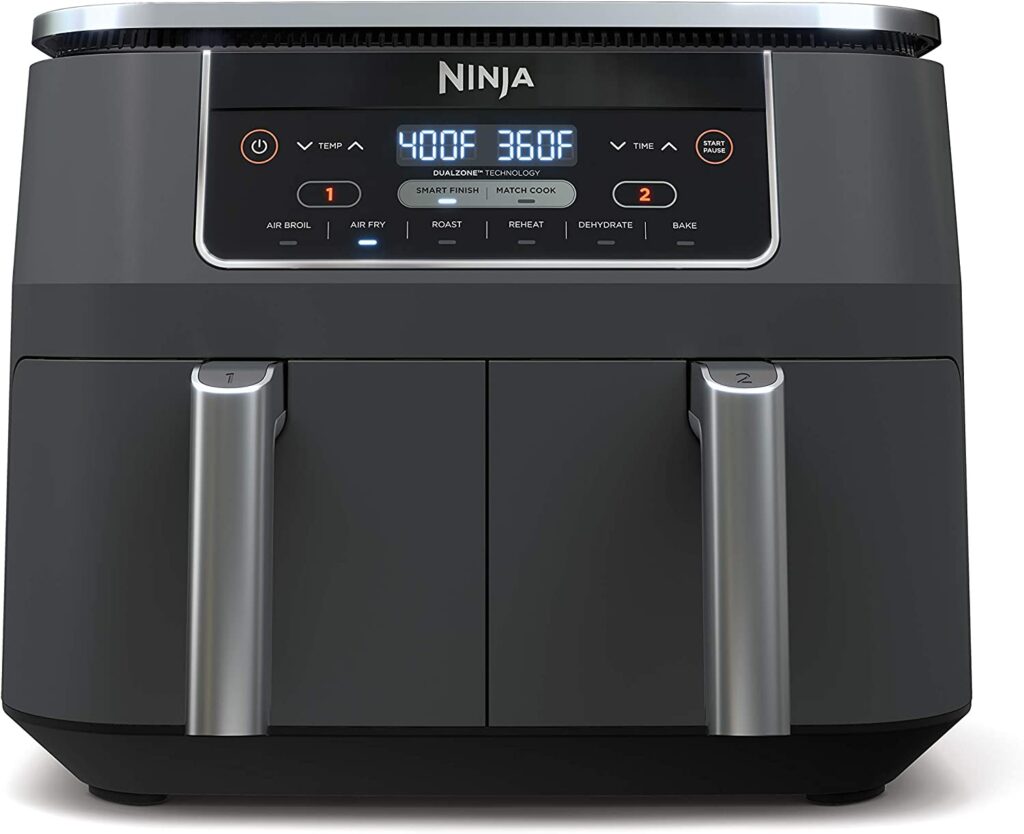
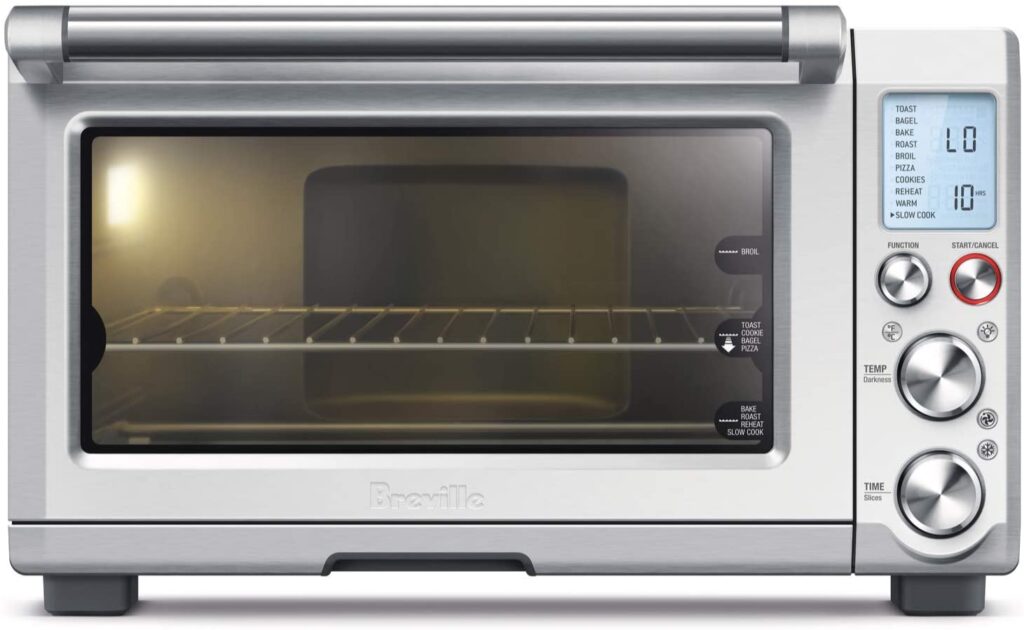
Temperature is the single most important factor in oven reheating. Set it too high, and your food can dry out or burn; too low, and it may warm unevenly or stay cold in the center. Generally, a moderate oven temperature of 325°F to 350°F (160°C to 175°C) works best for most leftovers.
- Casseroles, pasta, and baked dishes: 325°F (160°C) ensures gentle reheating without overcooking the edges.
- Meats and poultry: 325°F to 350°F allows proteins to warm without toughening. For breaded or roasted meats, 350°F is ideal to maintain crispiness.
- Bread or pizza: 350°F helps restore crispiness while melting cheese evenly.
Using this temperature range gives your leftovers enough heat to reach a safe internal temperature (165°F / 74°C) without compromising flavor or texture.
Best Cooking Time To Reheat Dinner In Oven
Reheating time varies depending on the type of dish, portion size, and whether it’s covered. Here’s a general guideline:
- Small portions (single servings): 10-15 minutes at 325°F.
- Medium portions (2-4 servings): 15-25 minutes at 325°F.
- Large portions or casseroles: 25-40 minutes at 325°F, often covered with foil to retain moisture.
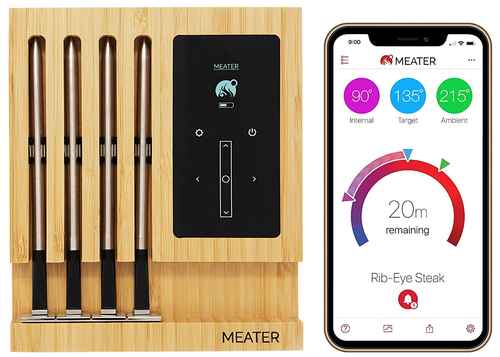
Always use a food thermometer to ensure the internal temperature reaches at least 165°F (74°C), which is the standard for safe reheating.
How To Reheat Dinner In Oven
- Preheat the oven: Always start with a preheated oven to ensure even cooking.
- Prepare your food: Place the food in an oven-safe dish. Cover casseroles, pasta, or anything that might dry out with aluminum foil. Meat or breaded items may be left uncovered to retain crispiness.
- Add moisture if necessary: A splash of water, broth, or sauce can help prevent drying.
- Reheat evenly: Place the dish in the center rack to allow hot air circulation. Rotate if necessary, especially for large portions.
- Check temperature: Use a thermometer in the thickest part of the food. Once it reaches 165°F (74°C), remove it promptly to prevent overcooking.
When Not To Reheat Dinner In The Oven
Some foods don’t reheat well in the oven due to texture or safety concerns:
- Delicate greens or salads: They wilt and become unappetizing.
- Fried foods with batter: They can lose their crispness unless reheated carefully.
- Seafood: Overheating can make it rubbery or dry.
- Dishes with cream-based sauces: May separate if reheated too long.
For these items, the microwave, stovetop, or gentle steaming may be a better option.
Reheating Dinner More Than Once
Reheating food multiple times is not recommended. Each cycle allows bacteria to grow when food cools below safe temperatures, increasing the risk of foodborne illness. If you must reheat, only reheat the portion you plan to eat and store the rest safely in the refrigerator. Ideally, reheat leftovers once only and consume immediately.
What If I Use A Different Oven Temperature?
Using a higher temperature (375-400°F / 190-205°C) may speed up reheating, but it increases the risk of uneven heating and drying, particularly for delicate dishes. Conversely, a lower temperature (275-300°F / 135-150°C) is gentler, reducing moisture loss, but will take longer. Adjust cooking time accordingly and always monitor the internal temperature.
What If I Use A Different Oven Cook Time?
If you extend or shorten cook time, results may vary significantly:
- Shorter cook time: Food may be cold in the center, even if the edges appear done.
- Longer cook time: Risk of overcooked, dry, or rubbery textures.
Always aim for the internal temperature target of 165°F (74°C) as the definitive guide, rather than relying solely on time.
Best Ways To Reheat Dinner
- Cover and trap moisture: Use foil for casseroles or meats.
- Add liquid if necessary: A little broth or water helps prevent dryness.
- Use shallow dishes: Encourages even heating.
- Rotate dishes: Ensures no hot or cold spots.
- Check halfway: Stir or rearrange contents to maintain consistent heat.
Tips For Optimal Reheating Results
- Preheat your oven fully to ensure even heating.
- Use a thermometer to confirm safe internal temperature.
- Avoid stacking food in deep containers; spread it out for even heat distribution.
- Add toppings last (cheese, breadcrumbs) to avoid burning.
- Let food rest briefly after removing it from the oven-heat continues to distribute internally.
- Avoid reheating metal-trimmed containers in conventional ovens for safety reasons.
FAQs
What Is The Best Temperature To Reheat Dinner In The Oven?
The ideal temperature for reheating most dinners in the oven is between 325°F (163°C) and 350°F (177°C). This range ensures even heating without drying out the food or overcooking delicate items.
Should I Cover The Food When Reheating In The Oven?
Yes, covering the food with foil or an oven-safe lid helps retain moisture, preventing dishes like casseroles, pasta, or roasted meats from drying out during reheating.
How Long Does It Take To Reheat Dinner In The Oven?
Reheating times vary based on the dish and portion size. Small portions may take 10-15 minutes, while larger portions or dense dishes like lasagna may take 25-35 minutes at 325°F-350°F. Always check that the food is heated through to at least 165°F (74°C).
Can I Reheat Frozen Dinner In The Oven Directly?
It is best to partially thaw frozen dinners in the refrigerator before reheating to ensure even cooking. If reheating directly from frozen, increase the oven temperature slightly and add 10-20 minutes to the cooking time, checking frequently.
Do I Need To Add Moisture When Reheating Dinner In The Oven?
For dishes that tend to dry out, like rice, pasta, or roasted meats, adding a small amount of water, broth, or sauce before covering and reheating can help maintain moisture and prevent a dry texture.
Is It Safe To Reheat Dinner In The Oven Multiple Times?
Repeatedly reheating food is not recommended because each reheating cycle increases the risk of bacterial growth and food quality degradation. Only reheat what you plan to eat immediately.
Should I Preheat The Oven Before Reheating Dinner?
Yes, preheating the oven ensures even and consistent heating. Placing food in a cold oven can cause uneven cooking, with outer layers overheating while the interior remains cold.
What Types Of Containers Are Safe For Reheating Dinner In The Oven?
Oven-safe glass, ceramic, and metal pans are suitable. Avoid plastic containers unless they are specifically labeled as oven-safe, as most plastics will melt or release harmful chemicals when heated.
How Do I Know When My Dinner Is Fully Reheated In The Oven?
The safest method is to use a food thermometer. Most leftovers should reach an internal temperature of 165°F (74°C). For baked dishes, ensure the center is hot and bubbly, and stir if possible to distribute heat evenly.
Can I Reheat Different Types Of Dinner Components Together In The Oven?
Yes, but consider the cooking time and moisture requirements of each component. Denser items like roasted vegetables or meats may require more time than pasta or casseroles. Using separate trays or adding moisture selectively can help ensure everything is evenly reheated.