
How To Reheat Enchiladas In Oven [FULL GUIDE]
Enchiladas are a beloved comfort food, celebrated for their rich layers of flavor, tender tortillas, and savory fillings. Whether they are filled with chicken, beef, beans, or cheese, enchiladas are most enjoyable when served fresh from the oven, with melted cheese bubbling on top and a warm sauce coating every bite. However, leftovers are inevitable, and reheating them properly is essential to preserve their flavor, texture, and overall appeal. Unlike microwaving, which can make tortillas rubbery and fillings unevenly heated, using an oven allows for consistent warming and helps maintain the enchiladas’ original structure. Understanding the proper techniques, temperatures, and timing for reheating enchiladas ensures that your leftovers taste almost as delightful as when they were first made.
Contents
- 1 Best Temperature To Reheat Enchiladas In Oven
- 2 Best Cooking Time To Reheat Enchiladas In Oven
- 3 How To Reheat Enchiladas In Oven
- 4 When Not To Reheat Enchiladas In The Oven
- 5 Reheating Enchiladas More Than Once
- 6 What If I Use A Different Oven Temperature?
- 7 What If I Use A Different Oven Cook Time?
- 8 Best Ways To Reheat Enchiladas
- 9 Tips For Optimal Reheating Results
- 10 FAQs
- 10.1 What Is The Best Way To Reheat Enchiladas In The Oven?
- 10.2 Can I Reheat Enchiladas Without Drying Them Out?
- 10.3 How Long Should I Bake Enchiladas To Reheat Them?
- 10.4 Can I Reheat Frozen Enchiladas In The Oven?
- 10.5 Do I Need To Thaw Frozen Enchiladas Before Reheating Them In The Oven?
- 10.6 Should I Add Extra Sauce When Reheating Enchiladas In The Oven?
- 10.7 Can I Reheat Enchiladas In The Oven Without Foil?
- 10.8 How Do I Know When The Enchiladas Are Fully Reheated?
- 10.9 Can I Reheat Enchiladas In A Convection Oven?
- 10.10 Can I Reheat Enchiladas In The Oven And Still Keep Them Tasting Fresh?
Best Temperature To Reheat Enchiladas In Oven
The ideal oven temperature for reheating enchiladas is around 350°F (175°C). This moderate heat is high enough to thoroughly warm the filling while preventing the tortillas from becoming dry or overly crispy. Lower temperatures, such as 300°F (150°C), may take too long, risking uneven heating and soggy edges, whereas higher temperatures above 400°F (200°C) can burn the sauce and overcook the tortillas before the interior is properly warmed. Maintaining the right temperature allows the cheese to melt evenly and the sauce to regain a fresh, slightly bubbly consistency.
For covered enchiladas, using foil helps trap moisture and prevents drying out. If you prefer a slightly crisp top layer, you can remove the foil during the last 5-10 minutes of reheating to let the cheese brown lightly without overcooking the filling.
Best Cooking Time To Reheat Enchiladas In Oven
The optimal cooking time for reheating enchiladas varies slightly depending on whether they are refrigerated or frozen:
- From the refrigerator: Reheating usually takes 20-25 minutes at 350°F (175°C). Ensure the internal temperature reaches around 165°F (74°C) for safe consumption.
- From frozen: Frozen enchiladas require a longer reheating time, typically 45-60 minutes at 350°F (175°C). Covering them with foil helps prevent the sauce and tortillas from drying out during this extended cooking period.
Cooking times may slightly fluctuate depending on the size and density of the enchiladas, so it’s wise to check the internal temperature midway to avoid overcooking.
How To Reheat Enchiladas In Oven
Reheating enchiladas in the oven is straightforward but benefits from careful attention to detail:
- Preheat your oven to 350°F (175°C).
- Prepare the dish by placing the enchiladas in an oven-safe baking dish. Add a thin layer of sauce over the top to maintain moisture.
- Cover with aluminum foil to prevent drying, ensuring the foil does not touch the cheese directly.
- Bake in the preheated oven. For refrigerated enchiladas, bake for 20-25 minutes; for frozen enchiladas, bake for 45-60 minutes.
- Check for doneness by inserting a fork or knife into the center; it should feel hot, and the cheese should be melted.
- Optional finishing step: Remove the foil in the last 5-10 minutes to allow the top to brown slightly, enhancing texture and visual appeal.
When Not To Reheat Enchiladas In The Oven
While ovens are versatile, reheating is not always recommended in certain cases:
- Extremely watery or soggy enchiladas: The oven will not remove excess moisture effectively, which may result in an unpleasantly mushy texture.
- Small single portions: For very small quantities, microwaving may be more practical and faster without affecting quality significantly.
- Already overcooked or dry enchiladas: Reheating may further dry out the tortillas, making them tough or brittle.
In such scenarios, alternative reheating methods or even repurposing leftovers (like enchilada bowls) may yield better results.
Reheating Enchiladas More Than Once
It’s generally advised to reheat enchiladas only once. Each reheating cycle reduces moisture content and can cause the tortillas to become dry, the cheese to overcook, and the filling to lose its flavor and texture. Repeated heating also increases the risk of bacterial growth if the food is not properly stored between reheatings. If you anticipate multiple servings over several days, it’s better to portion the enchiladas before storing, so only the portion you need is reheated.
What If I Use A Different Oven Temperature?
Using a temperature different from 350°F (175°C) affects both texture and cooking time:
- Lower temperatures (300°F / 150°C): Slower heating, more even warming, but may require up to 10-15 extra minutes. Good for delicate fillings.
- Higher temperatures (400-425°F / 200-220°C): Faster reheating, can crisp the edges quickly, but risks burning cheese or drying out tortillas. High heat may be suitable only if covered with foil for most of the reheating time and then uncovered briefly at the end.
Temperature adjustments should always be paired with careful monitoring to avoid overcooking.
What If I Use A Different Oven Cook Time?
Altering cook time has a direct impact on safety and quality:
- Shorter cook time: Incomplete heating can leave the filling cold and unevenly warmed, which may be unsafe for meat-based enchiladas.
- Longer cook time: Excessive cooking can dry out tortillas, toughen proteins, and overbrown the cheese, reducing the enjoyment of the dish.
The key is to monitor the internal temperature of the enchiladas, aiming for around 165°F (74°C) as a safe and optimal target.
Best Ways To Reheat Enchiladas
Besides the conventional oven method, other effective ways include:
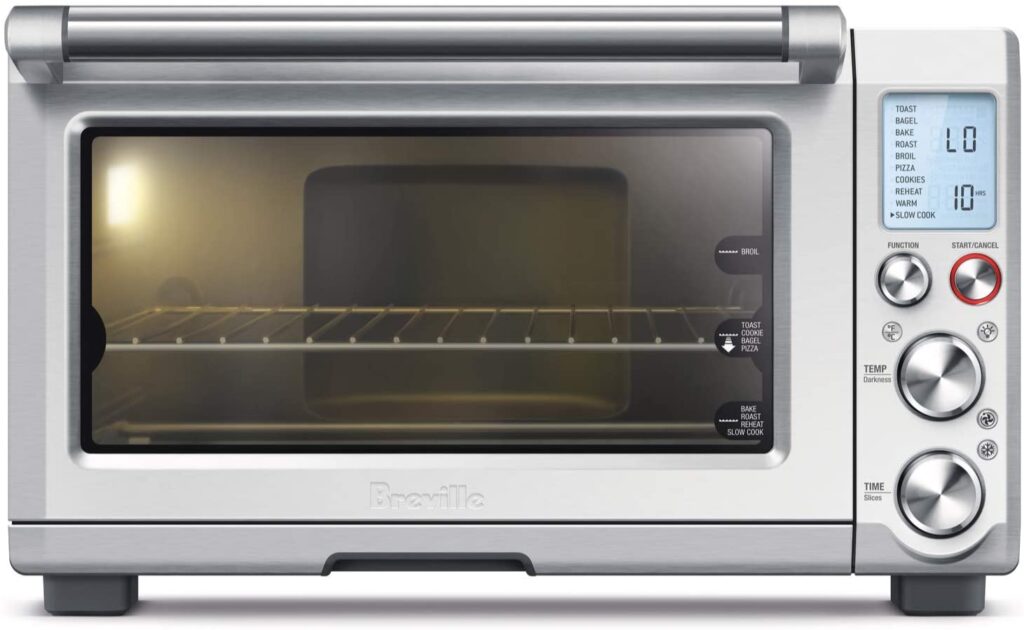
- Toaster oven: Ideal for single servings; maintains crisp edges.
- Skillet on stovetop: Use a lid to trap steam; good for reheating individual portions without drying.
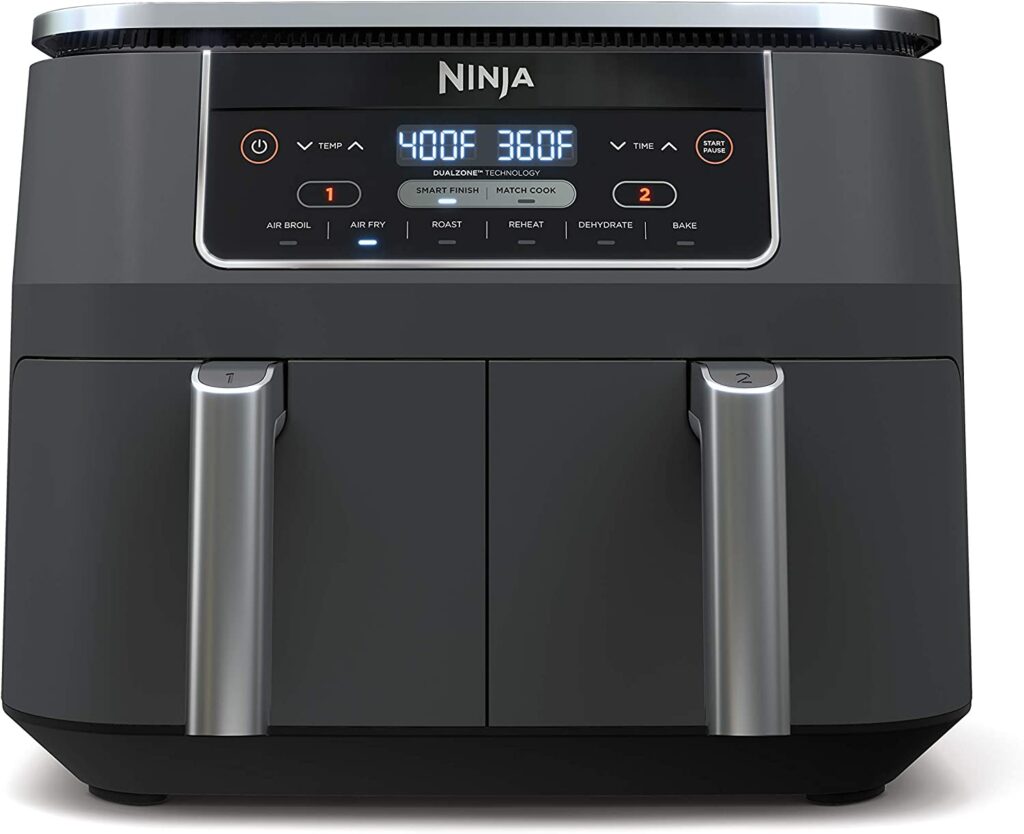
- Air fryer: Can quickly warm and crisp tortillas; monitor carefully to prevent burning.
The conventional oven remains the most reliable for large batches and maintaining the original flavor and moisture balance.
Tips For Optimal Reheating Results
- Add extra sauce: A thin layer of sauce or a few spoonfuls on top prevents drying.
- Cover tightly: Aluminum foil helps retain moisture.
- Check mid-way: Rotate the dish or check temperature to ensure even heating.
- Finish uncovered: Remove foil in the last 5-10 minutes to achieve golden, slightly crispy cheese.
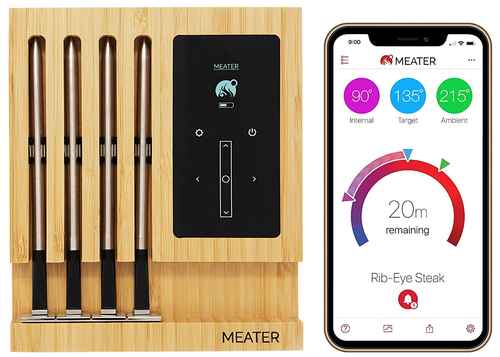
- Use a thermometer: Ensures the center reaches 165°F (74°C) for food safety.
- Portion control: Reheat only the amount you plan to eat to preserve quality for future meals.
FAQs
What Is The Best Way To Reheat Enchiladas In The Oven?
To reheat enchiladas in the oven, preheat it to 350°F (175°C). Place the enchiladas on a baking dish and cover them with aluminum foil to prevent them from drying out. Heat for 15-20 minutes, checking occasionally to ensure they are heated through. Remove the foil in the last 5 minutes for a crispier top.
Can I Reheat Enchiladas Without Drying Them Out?
Yes, covering the enchiladas with aluminum foil while reheating in the oven helps retain moisture and prevents them from drying out. You can also add a small amount of sauce or water to the dish before covering it to ensure they stay moist.
How Long Should I Bake Enchiladas To Reheat Them?
Reheat enchiladas at 350°F (175°C) for 15-20 minutes, depending on the thickness and amount of filling. Check after 15 minutes to see if they are heated through. If they are not warm enough, leave them in for an additional 5-10 minutes.
Can I Reheat Frozen Enchiladas In The Oven?
Yes, you can reheat frozen enchiladas in the oven. Preheat the oven to 350°F (175°C). Place the frozen enchiladas in a baking dish, cover them with foil, and bake for 30-40 minutes. Remove the foil in the last 5-10 minutes to allow the top to brown.
Do I Need To Thaw Frozen Enchiladas Before Reheating Them In The Oven?
No, you do not need to thaw frozen enchiladas before reheating. You can bake them directly from frozen, though it will take a little longer-about 30-40 minutes at 350°F (175°C). Thawing them beforehand will reduce reheating time.
Should I Add Extra Sauce When Reheating Enchiladas In The Oven?
It is recommended to add extra sauce, especially if the enchiladas seem dry. Pour a little extra sauce over the top before reheating, or you can add a small amount of water or broth to the bottom of the baking dish to keep them moist.
Can I Reheat Enchiladas In The Oven Without Foil?
You can reheat enchiladas without foil, but they may dry out more quickly. If you prefer a crispy top, skip the foil, but keep an eye on them to prevent overcooking or burning.
How Do I Know When The Enchiladas Are Fully Reheated?
Enchiladas are fully reheated when they are hot in the center and the cheese is melted. You can check the internal temperature with a food thermometer-ensure it reaches 165°F (74°C) for safe consumption.
Can I Reheat Enchiladas In A Convection Oven?
Yes, you can reheat enchiladas in a convection oven. Set the temperature to 325°F (160°C) and check after 10-15 minutes. The convection oven will circulate air more efficiently, so they may heat faster than in a regular oven.
Can I Reheat Enchiladas In The Oven And Still Keep Them Tasting Fresh?
Reheating enchiladas in the oven can keep them tasting fresh if done properly. Cover them with foil to maintain moisture and add extra sauce if needed. Reheat them slowly at a moderate temperature (350°F) to avoid overcooking.