
How To Reheat Filet Mignon In Oven [FULL GUIDE]
Few experiences rival the satisfaction of savoring a perfectly cooked filet mignon. Known for its tender, buttery texture and rich, beefy flavor, this premium cut of meat demands careful handling-even when it comes to reheating. Unlike more forgiving proteins, filet mignon is prone to drying out or losing its luxurious mouthfeel if reheated improperly. The oven offers a controlled, even heat source that can gently restore your steak to near-original perfection, preserving both its juiciness and flavor. Mastering the art of reheating filet mignon requires understanding the delicate balance of temperature, time, and technique-a balance that can make the difference between a dry, tough piece of meat and a succulent, melt-in-your-mouth experience.
Contents
- 1 Best Temperature To Reheat Filet Mignon In Oven
- 2 Best Cooking Time To Reheat Filet Mignon In Oven
- 3 How To Reheat Filet Mignon In Oven
- 4 When Not To Reheat Filet Mignon In The Oven
- 5 Reheating Filet Mignon More Than Once
- 6 What If I Use A Different Oven Temperature?
- 7 What If I Use A Different Oven Cook Time?
- 8 Best Ways To Reheat Filet Mignon
- 9 Tips For Optimal Reheating Results
- 10 FAQs
- 10.1 What Is The Best Method To Reheat Filet Mignon In The Oven?
- 10.2 How Can I Prevent Filet Mignon From Drying Out When Reheating In The Oven?
- 10.3 Can I Reheat Filet Mignon In The Oven If It Was Frozen?
- 10.4 How Long Should I Reheat Filet Mignon In The Oven To Maintain A Medium-rare Temperature?
- 10.5 Can I Reheat Filet Mignon At A Higher Temperature For A Faster Result?
- 10.6 How Do I Check If The Filet Mignon Is Reheated Properly?
- 10.7 Should I Cover The Filet Mignon With Foil When Reheating It In The Oven?
- 10.8 Is It Necessary To Rest Filet Mignon After Reheating It In The Oven?
- 10.9 Can I Reheat Filet Mignon In The Oven Without Losing The Sear?
- 10.10 How Can I Reheat Filet Mignon Without Overcooking It?
Best Temperature To Reheat Filet Mignon In Oven
When reheating filet mignon in the oven, temperature control is crucial. The ideal temperature is 250°F (120°C). This low-and-slow approach allows the steak to warm evenly throughout without overcooking the exterior. A temperature higher than this may risk pushing the internal temperature past medium-rare or medium, potentially toughening the meat and evaporating its precious juices.
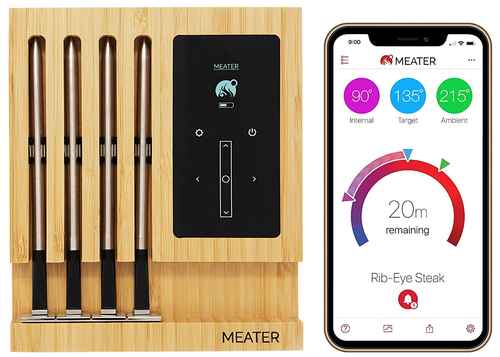
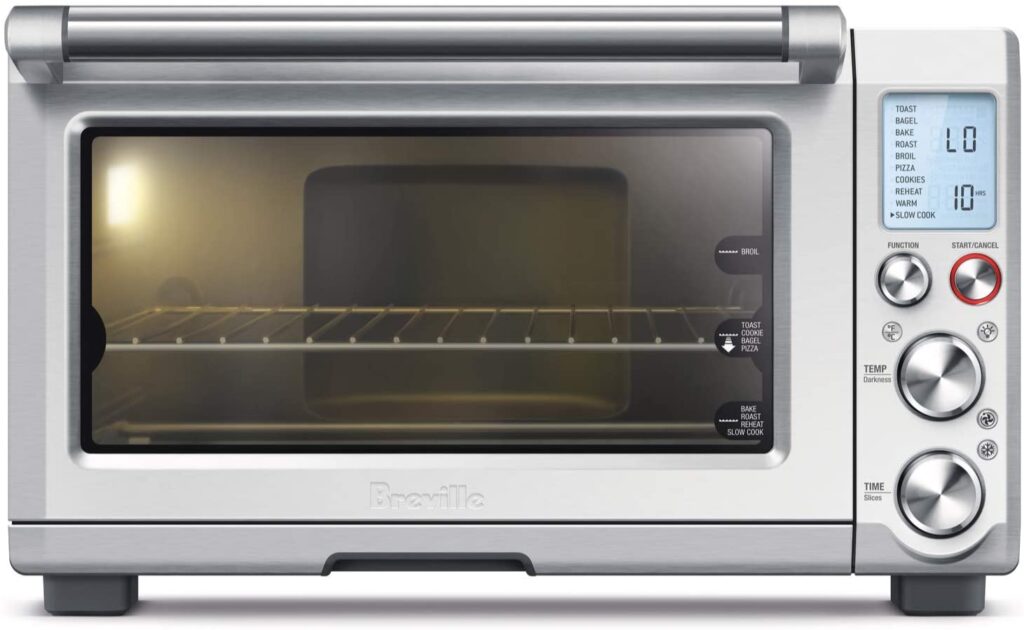
At 250°F, the steak’s interior gradually rises to a safe and desirable serving temperature while maintaining the soft, buttery texture that makes filet mignon so special. Using an oven thermometer is recommended, as many home ovens can fluctuate by 25-50°F, which could inadvertently overcook your steak if not monitored carefully.
Best Cooking Time To Reheat Filet Mignon In Oven
Time, like temperature, is a key factor. On average, reheating a filet mignon will take 20-30 minutes in a preheated oven at 250°F. However, the exact time depends on the thickness of your steak and its initial temperature. A thinner filet (around 1 inch thick) may only require 15-20 minutes, while a thick, 2-inch cut may take 30 minutes or slightly longer.
The goal is to bring the internal temperature of the steak to around 110-130°F (43-54°C) before searing or finishing, depending on your desired final doneness. Using a meat thermometer is essential here; guessing can easily result in overcooking. This slower, gentler cooking time ensures your filet remains juicy and tender.
How To Reheat Filet Mignon In Oven
- Preheat your oven to 250°F (120°C).
- Prepare the steak by letting it sit at room temperature for 10-15 minutes. This step reduces the thermal shock, promoting even reheating.
- Place the steak on a wire rack over a baking sheet. This allows air to circulate around the meat, preventing soggy edges and promoting uniform warming.
- Reheat in the oven for 20-30 minutes, checking the internal temperature periodically.
- Optional sear: For a restaurant-quality crust, quickly sear the steak in a hot skillet with a small amount of oil or butter for 30-60 seconds per side after reheating. This step reintroduces the Maillard reaction, enhancing flavor and texture.
- Rest the steak for 5 minutes before serving, allowing juices to redistribute.
When Not To Reheat Filet Mignon In The Oven
While the oven is versatile, there are situations where reheating filet mignon in it is inadvisable:
- Very thin steaks: They can overcook easily in an oven, even at low temperatures.
- Steaks already well-done: Additional reheating may lead to an unpalatably dry texture.
- If using microwave-heated leftovers: Reheating a steak that has already been microwaved can compound moisture loss, producing a tough, rubbery result.
In such cases, alternative methods like a brief stovetop sear, sous-vide, or a covered skillet with a lid may be preferable.
Reheating Filet Mignon More Than Once
Filet mignon should never be reheated more than once. Repeated heating accelerates protein breakdown, dries out the meat, and can compromise food safety. Each reheating cycle increases the risk of bacterial growth if the steak has cooled below safe temperatures. If you anticipate leftovers, it’s best to portion the steak before storage so you only reheat what you intend to eat.
What If I Use A Different Oven Temperature?
Raising the oven temperature above 250°F can speed up reheating but risks uneven cooking. The exterior may become overcooked while the interior remains cool. Conversely, lower temperatures below 225°F will slow the process, potentially extending cooking time excessively and leading to a mushy texture if the steak sits too long. The key is balancing temperature and time: slower is safer for retaining juiciness, while faster is a trade-off in texture.
What If I Use A Different Oven Cook Time?
Extending the cook time slightly at low temperatures can improve uniformity, but overextending may dry out the steak, even at 250°F. Reducing cook time by increasing oven heat may lead to tough edges and uneven warming. The safest approach is monitoring internal temperature rather than strictly adhering to a timer; 20-30 minutes is a guideline, not a rule.
Best Ways To Reheat Filet Mignon
While the oven is ideal, other methods can work depending on your tools and preferences:
- Sous-vide: Maintains perfect doneness and moisture but requires specialized equipment.
- Skillet with butter and herbs: Provides quick, flavorful reheating, particularly for thinner cuts.
- Steaming: Gentle but may slightly soften the crust, losing Maillard texture.
Among these, the oven remains the most reliable for even, controlled reheating of a thick filet mignon.
Tips For Optimal Reheating Results
- Always use a meat thermometer to prevent overcooking.
- Let the steak rest at room temperature before reheating.
- Use a wire rack to allow air circulation around the steak.
- Optional: Add a pat of butter or a drizzle of olive oil to enhance moisture and flavor.
- Avoid reheating in foil directly on a baking sheet-it traps steam and softens the crust.
FAQs
What Is The Best Method To Reheat Filet Mignon In The Oven?
The best method is to preheat your oven to 250°F (120°C). Place the filet mignon on a wire rack set inside a baking sheet to allow even heat circulation. Reheat for about 10-15 minutes, checking the internal temperature until it reaches around 110°F to 130°F depending on your desired doneness.
How Can I Prevent Filet Mignon From Drying Out When Reheating In The Oven?
To prevent drying, wrap the filet mignon loosely in aluminum foil to retain moisture. You can also add a small amount of beef broth or butter inside the foil packet for extra moisture during reheating.
Can I Reheat Filet Mignon In The Oven If It Was Frozen?
Yes, you can reheat frozen filet mignon in the oven, but it’s best to thaw it in the fridge overnight first. If reheating from frozen, set your oven to 275°F (135°C) and expect the reheating process to take longer, about 20-25 minutes depending on thickness.
How Long Should I Reheat Filet Mignon In The Oven To Maintain A Medium-rare Temperature?
For medium-rare, reheat the filet mignon for about 10-15 minutes in a 250°F (120°C) oven, until the internal temperature reaches 120°F. Be sure to use a meat thermometer for accuracy.
Can I Reheat Filet Mignon At A Higher Temperature For A Faster Result?
It’s not recommended to reheat filet mignon at a higher temperature, as this can lead to overcooking and loss of moisture. Low and slow is the key to keeping the filet tender and juicy.
How Do I Check If The Filet Mignon Is Reheated Properly?
Use a meat thermometer to check the internal temperature. For medium-rare, the ideal temperature is 120°F; for medium, it’s around 130°F. Make sure to insert the thermometer into the center of the filet to ensure even reheating.
Should I Cover The Filet Mignon With Foil When Reheating It In The Oven?
Yes, covering the filet mignon with aluminum foil helps trap moisture and prevents it from drying out during the reheating process. This is especially important when reheating at low temperatures.
Is It Necessary To Rest Filet Mignon After Reheating It In The Oven?
Yes, allow the filet mignon to rest for a few minutes after reheating. This helps redistribute the juices inside the meat, making it more flavorful and tender.
Can I Reheat Filet Mignon In The Oven Without Losing The Sear?
To maintain the sear, first reheat the filet in the oven as described. Afterward, you can quickly sear it in a hot pan with a bit of butter or oil for 1-2 minutes on each side to restore the crust.
How Can I Reheat Filet Mignon Without Overcooking It?
The key to reheating without overcooking is low and slow heat. Reheat the filet at 250°F (120°C) and monitor the internal temperature closely with a thermometer. Avoid using high heat, as it can cook the meat too quickly, causing it to dry out.