
How To Reheat Fish And Chips In Oven [FULL GUIDE]
Few dishes evoke as much comfort and nostalgia as classic fish and chips. Crispy golden batter encasing flaky fish paired with perfectly cooked, fluffy-on-the-inside, crisp-on-the-outside chips makes for an iconic meal. Yet, like many fried foods, fish and chips are best enjoyed fresh. Reheating them can be tricky-too much heat can dry out the fish or make the batter soggy, while too little leaves the chips limp and unappetizing. The key lies in understanding the balance of temperature, timing, and technique to restore their original texture and flavor. This guide explores the best practices for reheating fish and chips in an oven, offering detailed strategies to maximize your leftovers’ taste and quality.
Contents
- 1 Best Temperature To Reheat Fish And Chips In Oven
- 2 Best Cooking Time To Reheat Fish And Chips In Oven
- 3 How To Reheat Fish And Chips In Oven
- 4 When Not To Reheat Fish And Chips In The Oven
- 5 Reheating Fish And Chips More Than Once
- 6 What If I Use A Different Oven Temperature?
- 7 What If I Use A Different Oven Cook Time?
- 8 Best Ways To Reheat Fish And Chips
- 9 Tips For Optimal Reheating Results
- 10 FAQs
- 10.1 What Is The Best Way To Reheat Fish And Chips In The Oven?
- 10.2 Should I Cover The Fish And Chips While Reheating In The Oven?
- 10.3 Can I Reheat Frozen Fish And Chips In The Oven?
- 10.4 How Long Does It Take To Reheat Fish And Chips In The Oven?
- 10.5 Can I Use A Convection Oven To Reheat Fish And Chips?
- 10.6 How Can I Make Sure The Fish Stays Crispy When Reheating?
- 10.7 Should I Reheat Fish And Chips From Room Temperature Or Cold?
- 10.8 Can I Add Extra Seasoning When Reheating Fish And Chips?
- 10.9 Is It Safe To Reheat Fish And Chips Multiple Times?
- 10.10 Can I Reheat Fish And Chips With Aluminum Foil In The Oven?
Best Temperature To Reheat Fish And Chips In Oven
Reheating fish and chips successfully in the oven is a delicate process that requires careful temperature control. Generally, the ideal oven temperature falls between 350°F (175°C) and 400°F (200°C).
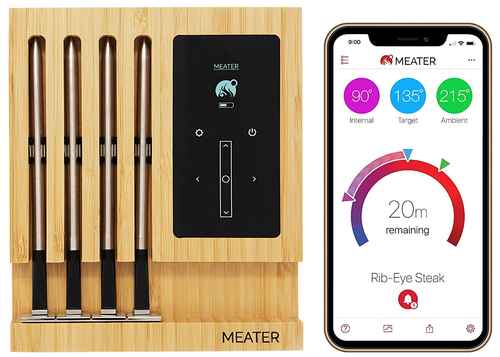
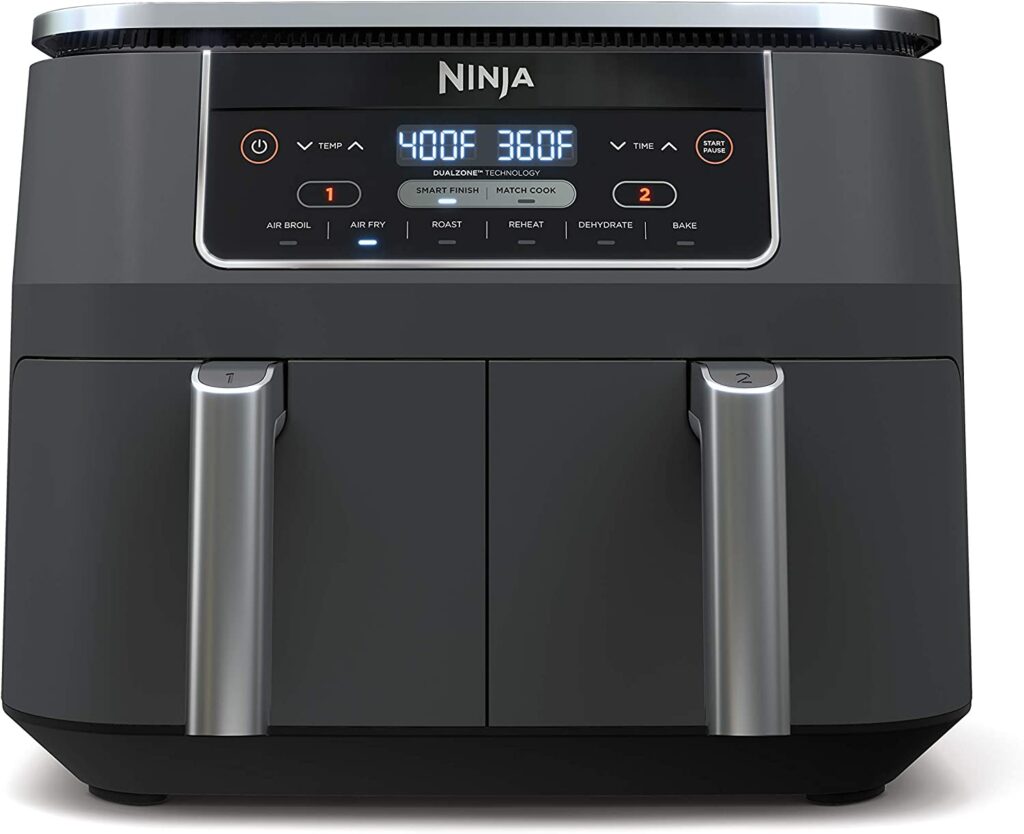
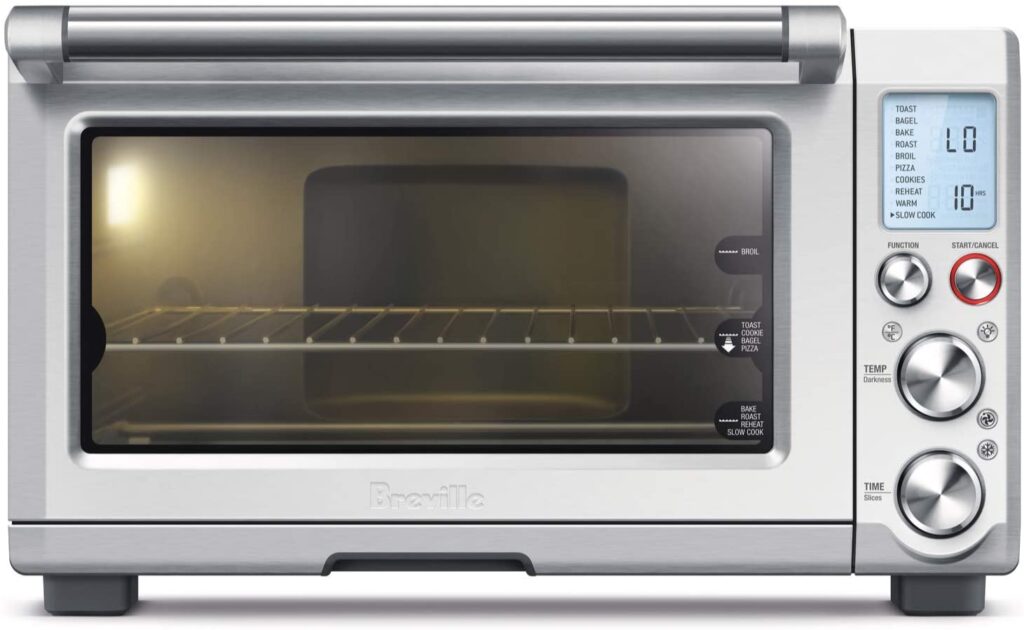
- 350°F (175°C): This is ideal for gently warming the fish without overcooking it. It helps prevent the fish from drying out while giving the batter a chance to regain some crispiness.
- 375°F (190°C): This is a balanced temperature for achieving both warmth and crunch. It works well for leftovers that have been refrigerated and may have lost some initial texture.
- 400°F (200°C): Best for chips that have gone soft. The higher heat helps restore their crisp exterior quickly but requires careful timing to avoid burning or drying out the fish.
The choice of temperature often depends on whether the fish or the chips require more attention-the fish is delicate and prone to drying, while chips can withstand higher heat to regain crispness.
Best Cooking Time To Reheat Fish And Chips In Oven
Timing is as crucial as temperature. Overcooking can turn the fish dry and the chips hard, while undercooking leaves the meal lukewarm and unsatisfying. A typical reheating time ranges between 10 to 20 minutes, depending on the oven temperature and quantity of food:
- 10-12 minutes at 400°F (200°C): Ideal for small portions or when reheating only chips.
- 12-15 minutes at 375°F (190°C): Perfect for evenly reheating both fish and chips without compromising texture.
- 15-20 minutes at 350°F (175°C): Suitable for larger portions or frozen leftovers, providing gentle, consistent heat that warms the food thoroughly.
For optimal results, it’s recommended to flip the fish and chips halfway through reheating, ensuring even heat distribution and maintaining crispiness on all sides.
How To Reheat Fish And Chips In Oven
Reheating fish and chips in the oven requires a few simple steps to maximize texture and flavor:
- Preheat the oven: Set it to your chosen temperature (350-400°F or 175-200°C).
- Prepare the tray: Line a baking sheet with parchment paper or a wire rack. A wire rack is ideal, as it allows hot air to circulate, keeping the batter crispy.
- Arrange the food: Place the fish and chips in a single layer, leaving some space between each piece. Overcrowding traps steam and makes the food soggy.
- Reheat: Place the tray in the preheated oven. Flip halfway through the cooking time for even crispiness.
- Check doneness: Fish should be heated through without drying out, and chips should regain a firm, crisp exterior. If needed, leave them in for an extra 1-2 minutes, watching closely.
Optional: Lightly spray a small amount of cooking oil on the fish and chips to enhance crispiness.
When Not To Reheat Fish And Chips In The Oven
While the oven is ideal, there are times you should avoid reheating fish and chips:
- If they’ve been left out for more than 2 hours: Bacterial growth increases quickly in fried foods, making them unsafe to eat.
- If the fish smells off: Any sour or unusual odor indicates spoilage.
- If they were frozen and thawed improperly: Repeated thawing and refreezing can compromise both safety and texture.
In such cases, it’s better to discard leftovers rather than risk foodborne illness.
Reheating Fish And Chips More Than Once
Repeated reheating is generally discouraged:
- Texture degradation: Each reheating cycle dries out fish and softens chips, making them less appetizing.
- Food safety concerns: Reheating more than once increases the risk of bacterial growth, especially if the food wasn’t stored at the correct temperature.
If you anticipate multiple reheatings, it’s better to reheat only the portion you plan to eat, keeping the rest safely refrigerated.
What If I Use A Different Oven Temperature?
Using a temperature outside the recommended range affects results:
- Too low (below 325°F / 160°C): Fish may dry out before warming properly, and chips remain limp.
- Too high (above 425°F / 220°C): Chips may burn quickly, and fish may overcook on the outside while remaining cold inside.
Adjusting temperature requires compensating with cooking time. Lower temperatures need longer reheating, while higher temperatures require closer monitoring and shorter durations.
What If I Use A Different Oven Cook Time?
Altering cooking time without adjusting temperature can result in:
- Too short: Food remains cold in the center; batter is not crispy.
- Too long: Fish dries out, chips become tough and hard.
If you need a faster reheat, slightly increase temperature and reduce time, but check frequently to avoid overcooking. Conversely, if slow reheating is necessary, use a lower temperature and extend the cooking time slightly.
Best Ways To Reheat Fish And Chips
While the oven is most reliable, other methods exist:
- Air fryer: Excellent for crispiness with minimal oil. Preheat to 350-375°F (175-190°C) and heat for 5-10 minutes.
- Skillet: Heat a little oil on medium heat. Reheat chips first, then fish. This keeps exterior crisp.
- Microwave (not ideal): Only use for very short periods (30-60 seconds) to warm the interior. The batter will become soggy.
Tips For Optimal Reheating Results
- Use a wire rack on the tray to allow airflow and avoid soggy bottoms.
- Avoid covering food with foil, as it traps steam.
- Flip halfway through reheating to ensure even crisping.
- Sprinkle a tiny amount of water on chips before baking for extra fluffiness inside.
- Serve immediately after reheating to enjoy optimal texture.
FAQs
What Is The Best Way To Reheat Fish And Chips In The Oven?
The best way to reheat fish and chips in the oven is to preheat the oven to 375°F (190°C). Place the fish and chips on a baking sheet, ensuring they are spread out evenly. Reheat for 10-12 minutes, flipping halfway through for even heating. This method helps to restore their crispy texture.
Should I Cover The Fish And Chips While Reheating In The Oven?
No, you should not cover the fish and chips while reheating in the oven. Keeping them uncovered ensures the exterior remains crispy. Covering them can cause them to become soggy.
Can I Reheat Frozen Fish And Chips In The Oven?
Yes, you can reheat frozen fish and chips in the oven. Preheat the oven to 400°F (200°C) and place the frozen items on a baking sheet. Reheat for about 15-20 minutes, flipping halfway through. For best results, ensure they are spread out to allow even heat distribution.
How Long Does It Take To Reheat Fish And Chips In The Oven?
It usually takes around 10-15 minutes to reheat fish and chips in the oven, depending on the thickness of the fish and the amount of chips. Make sure to check the internal temperature, which should reach at least 165°F (74°C).
Can I Use A Convection Oven To Reheat Fish And Chips?
Yes, a convection oven can be used to reheat fish and chips. Set the convection oven to 350°F (175°C) and reheat for 8-10 minutes. The circulating air will help to maintain crispiness.
How Can I Make Sure The Fish Stays Crispy When Reheating?
To keep the fish crispy, place it on a wire rack set on a baking sheet, allowing air to circulate around it. This prevents steam from making the coating soggy. Also, avoid overcrowding the baking sheet.
Should I Reheat Fish And Chips From Room Temperature Or Cold?
It’s better to reheat fish and chips directly from the refrigerator. Letting them sit at room temperature before reheating may increase the risk of bacterial growth.
Can I Add Extra Seasoning When Reheating Fish And Chips?
Yes, you can add extra seasoning like salt, pepper, or even a sprinkle of lemon zest when reheating. However, be cautious with adding too much liquid, as it could affect the crispiness of the fish and chips.
Is It Safe To Reheat Fish And Chips Multiple Times?
It is generally not recommended to reheat fish and chips multiple times. Repeated reheating can cause the food to dry out, lose flavor, and become unsafe. It’s best to only reheat what you plan to eat in one sitting.
Can I Reheat Fish And Chips With Aluminum Foil In The Oven?
While you can use aluminum foil to cover the food during the initial heating to prevent excessive drying, it’s better to remove the foil halfway through to allow the fish to crisp up.