
How To Reheat Fish In Oven [FULL GUIDE]
Reheating fish in the oven is both an art and a science. Fish, unlike many other proteins, is delicate, prone to drying out, and can easily develop an unpleasant odor if not handled properly. When done correctly, reheating allows you to enjoy the rich flavors, tender texture, and nutritional benefits of your seafood without sacrificing quality. Unlike microwaving, which can make fish rubbery or unevenly heated, the oven provides gentle, consistent heat that preserves moisture and enhances flavor. Understanding the right temperature, timing, and techniques is essential to ensure that your reheated fish tastes nearly as fresh as when it was first cooked.
Contents
- 1 Best Temperature To Reheat Fish In Oven
- 2 Best Cooking Time To Reheat Fish In Oven
- 3 How To Reheat Fish In Oven
- 4 When Not To Reheat Fish In The Oven
- 5 Reheating Fish More Than Once
- 6 What If I Use A Different Oven Temperature?
- 7 What If I Use A Different Oven Cook Time?
- 8 Best Ways To Reheat Fish
- 9 Tips For Optimal Reheating Results
- 10 FAQs
- 10.1 What Is The Best Way To Reheat Fish In The Oven?
- 10.2 Can You Reheat Fish In The Oven Without Drying It Out?
- 10.3 How Long Does It Take To Reheat Fish In The Oven?
- 10.4 Should I Reheat Fish In The Oven Or Microwave?
- 10.5 How Do I Prevent Fish From Getting Tough When Reheating?
- 10.6 Can I Reheat Battered Or Breaded Fish In The Oven?
- 10.7 What Temperature Should The Oven Be When Reheating Fish?
- 10.8 How Do I Know When My Reheated Fish Is Done?
- 10.9 Can I Reheat Leftover Fish That Was Frozen?
- 10.10 Should I Cover The Fish When Reheating It In The Oven?
Best Temperature To Reheat Fish In Oven
The ideal temperature for reheating fish in the oven is generally 275°F to 300°F (135°C to 150°C). This range is low enough to prevent the fish from drying out or overcooking, yet high enough to warm it thoroughly. Reheating at a lower temperature ensures that the delicate flesh remains tender and the flavors stay intact.
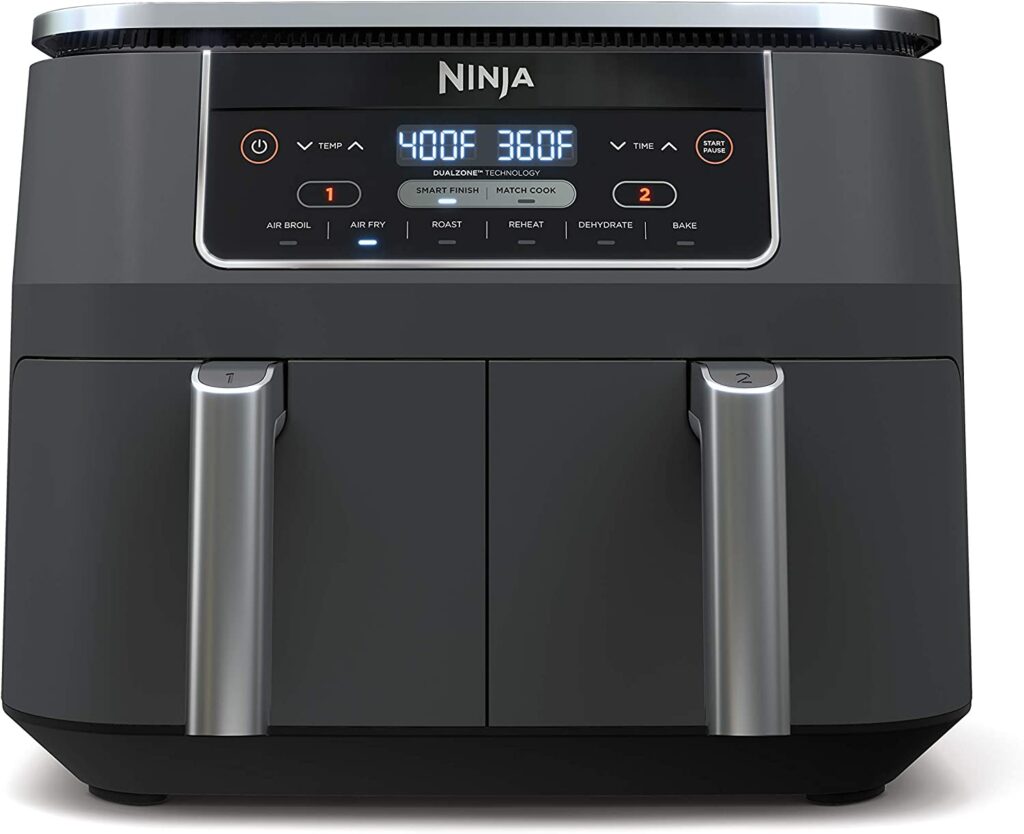
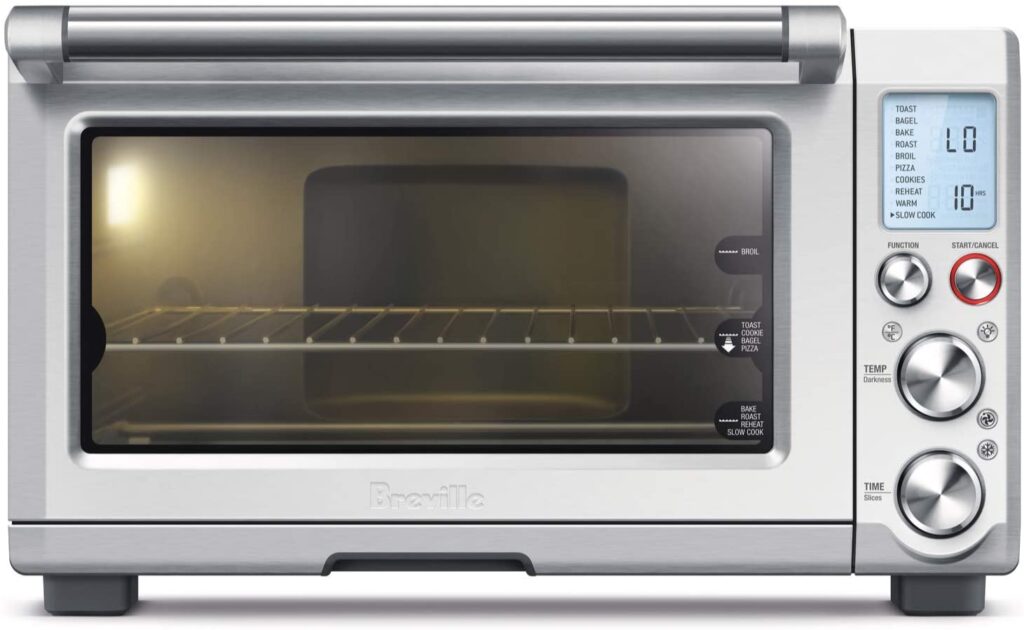
For more delicate fish such as tilapia, cod, or sole, leaning toward 275°F is preferable. Firmer, oilier fish like salmon or mackerel can tolerate the upper end of the range, around 300°F, which allows the natural oils to reheat evenly, keeping the fish moist and flavorful.
Avoid temperatures above 325°F, as these can quickly turn fish tough and dry, destroying the subtle nuances of taste that make fish so enjoyable.
Best Cooking Time To Reheat Fish In Oven
Reheating time depends on the thickness of the fish and whether it’s covered or uncovered during the process. On average:
- Thin fillets (less than 1 inch thick): 10-12 minutes
- Thicker fillets or small whole fish: 15-20 minutes
Covering the fish with foil helps retain moisture, reducing the risk of drying out. Fish reheated without cover may require slightly less time but must be monitored closely to avoid overcooking.
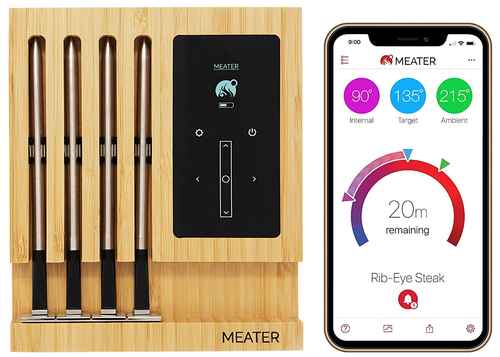
A good rule of thumb is to reheat until the internal temperature reaches 125°F to 130°F (52°C to 54°C). This ensures the fish is warm enough to eat while preserving its delicate texture.
How To Reheat Fish In Oven
- Preheat the Oven: Set your oven to 275°F-300°F (135°C-150°C). Preheating ensures even heating throughout.
- Prepare the Fish: Place the fish in a baking dish. Add a small splash of water, broth, or olive oil to maintain moisture.
- Cover with Foil: Loosely cover the fish with aluminum foil. This traps steam, keeping the fish tender.
- Bake: Place the dish in the oven and reheat according to the recommended time for thickness. Check the internal temperature for accuracy.
- Finish and Serve: Remove the foil during the last 2-3 minutes if you want a slightly crisped exterior. Serve immediately to enjoy optimal texture and flavor.
When Not To Reheat Fish In The Oven
Reheating fish is not always advisable. Avoid reheating:
- Fish that has been left at room temperature for more than 2 hours, as bacteria growth could pose food safety risks.
- Fish that has an off smell or slimy texture, indicating spoilage.
- Delicate seafood dishes with creamy sauces, which may separate or curdle when reheated in the oven.
In such cases, consuming the fish fresh or exploring alternative recipes, like turning it into a fish stew or salad, is safer.
Reheating Fish More Than Once
Reheating fish multiple times is strongly discouraged. Each reheating cycle increases the risk of bacterial growth and dramatically diminishes texture and flavor. Ideally, reheat only the portion you plan to consume immediately, storing the remainder in the refrigerator at or below 40°F (4°C) until needed.
What If I Use A Different Oven Temperature?
Using a higher oven temperature (above 325°F) may speed up reheating but often leads to dry, tough fish with an unappealing flavor. Conversely, using a lower temperature (below 275°F) may require significantly longer reheating time and could cause uneven warming. When experimenting, always monitor internal temperature and moisture to maintain quality.
What If I Use A Different Oven Cook Time?
Shorter cook times can leave the fish cold in the center, while extended times risk drying it out. For unevenly sized fillets, check the thicker portions first and remove thinner pieces earlier. Using a thermometer is the most reliable way to prevent over- or undercooking.
Best Ways To Reheat Fish
The oven is the top choice for maintaining quality, but other methods include:
- Steaming: Gentle heat keeps fish moist without adding extra fat.
- Microwaving with caution: Only for small portions, covering the fish to trap steam.
- Pan reheating: Briefly sautéing in a lightly oiled pan preserves a crisp exterior while heating the interior.
Each method has trade-offs, but the oven generally provides the best balance between flavor, texture, and safety.
Tips For Optimal Reheating Results
- Use foil or a lid: Prevents moisture loss.
- Add a splash of liquid: Water, broth, or olive oil helps maintain tenderness.
- Check thickness: Adjust time based on fish size.
- Preheat the oven: Ensures even reheating.
- Serve immediately: Fish quality diminishes quickly after reheating.
FAQs
What Is The Best Way To Reheat Fish In The Oven?
The best way to reheat fish in the oven is to preheat the oven to 275°F (135°C), place the fish on a baking sheet, and cover it with aluminum foil. Heat for 10-15 minutes, or until it reaches an internal temperature of 125°F (52°C). This method helps retain moisture and prevent overcooking.
Can You Reheat Fish In The Oven Without Drying It Out?
Yes, to prevent drying out, cover the fish with foil or parchment paper while reheating. You can also add a small amount of butter or oil on top of the fish to retain moisture. Reheating at a low temperature (around 275°F or 135°C) is key to keeping the fish moist.
How Long Does It Take To Reheat Fish In The Oven?
It typically takes about 10-15 minutes to reheat fish in the oven at 275°F (135°C), depending on the thickness of the fillets and the type of fish. It’s important to check the fish every 5 minutes to ensure it doesn’t overcook.
Should I Reheat Fish In The Oven Or Microwave?
Reheating fish in the oven is generally the better option, as it helps maintain texture and flavor. Microwaving can lead to uneven heating and can dry out the fish. The oven provides more consistent, even heat, preserving the fish’s quality.
How Do I Prevent Fish From Getting Tough When Reheating?
To prevent the fish from becoming tough, ensure that it is reheated at a low temperature and is covered to trap moisture. Reheat only once, as multiple reheating cycles can lead to overcooking and drying out the fish.
Can I Reheat Battered Or Breaded Fish In The Oven?
Yes, you can reheat battered or breaded fish in the oven. Preheat your oven to 375°F (190°C), place the fish on a baking sheet, and cover it loosely with foil. Reheat for 10-12 minutes, then remove the foil for the last 3-5 minutes to crisp up the coating.
What Temperature Should The Oven Be When Reheating Fish?
The oven should be set to a low temperature of around 275°F (135°C) for delicate reheating. For crispier fish, especially battered or breaded types, you can use a slightly higher temperature of 375°F (190°C).
How Do I Know When My Reheated Fish Is Done?
You can check the doneness of the fish by using a meat thermometer. The internal temperature should reach 125°F (52°C) when properly reheated. You can also check for flakiness with a fork-if the fish flakes easily, it is ready.
Can I Reheat Leftover Fish That Was Frozen?
Yes, you can reheat frozen fish in the oven. Thaw the fish in the refrigerator overnight, or use a microwave for quick thawing. Once thawed, follow the same process as you would for fresh fish, reheating at 275°F (135°C) for about 10-15 minutes.
Should I Cover The Fish When Reheating It In The Oven?
Yes, it is recommended to cover the fish with aluminum foil or parchment paper while reheating to retain moisture and prevent it from drying out. This helps keep the fish tender and juicy during the reheating process.