
How To Reheat Food In Oven [FULL GUIDE]
Reheating food is more than just warming leftovers; it’s an art that preserves flavor, texture, and safety. Using an oven to reheat food offers one of the most reliable ways to restore meals to near-fresh quality. Unlike microwaves, which can leave foods unevenly heated or soggy, an oven applies gentle, even heat, helping to maintain the integrity of baked goods, roasted meats, and casseroles. Understanding the ideal temperature, timing, and techniques can transform reheating from a mundane task into a culinary skill that ensures each bite is as enjoyable as the first.
Contents
- 1 Best Temperature To Reheat Food In Oven
- 2 Best Cooking Time To Reheat Food In Oven
- 3 How To Reheat Food In Oven
- 4 When Not To Reheat Food In The Oven
- 5 Reheating Food More Than Once
- 6 What If I Use A Different Oven Temperature?
- 7 What If I Use A Different Oven Cook Time?
- 8 Best Ways To Reheat Food
- 9 Tips For Optimal Reheating Results
- 10 FAQs
- 10.1 What Is The Best Temperature To Reheat Food In The Oven?
- 10.2 Should I Cover Food With Foil When Reheating In The Oven?
- 10.3 How Long Does It Take To Reheat Food In The Oven?
- 10.4 Can I Reheat Frozen Food In The Oven?
- 10.5 How Can I Prevent Food From Drying Out When Reheating In The Oven?
- 10.6 Should I Use A Baking Sheet When Reheating Food?
- 10.7 Can I Reheat Multiple Dishes At The Same Time In The Oven?
- 10.8 How Do I Know If My Food Is Fully Reheated In The Oven?
- 10.9 Is It Better To Reheat Food In A Microwave Or Oven?
- 10.10 Can I Reheat Leftover Pasta In The Oven?
Best Temperature To Reheat Food In Oven
Selecting the right oven temperature is crucial. Too high, and you risk burning the exterior while leaving the interior cold; too low, and reheating takes unnecessarily long, increasing the chance of bacterial growth. In general:
- Low Heat (250-300°F / 120-150°C): Ideal for delicate foods like pastries, breads, or fish, allowing them to warm slowly without drying out.
- Moderate Heat (325-350°F / 160-175°C): Best for casseroles, pasta dishes, and roasted meats. This temperature range gently heats the food through while keeping moisture intact.
- Higher Heat (375-400°F / 190-200°C): Works well for pizza, fries, or fried foods where you want to restore crispiness.
Keeping your oven in the correct temperature range ensures even reheating and helps preserve texture and flavor.
Best Cooking Time To Reheat Food In Oven
Cooking time depends on the type, density, and moisture content of the food. As a general guide:
- Casseroles or dense dishes: 20-30 minutes at 325-350°F.
- Pizza, fries, or breaded foods: 8-12 minutes at 375-400°F.
- Leftover roasted meats: 15-25 minutes at 325-350°F.
- Delicate pastries or fish: 10-15 minutes at 250-300°F.
Using an oven-safe cover can help retain moisture for foods prone to drying out, slightly reducing reheating time. Always check the center temperature; ideally, food should reach at least 165°F (74°C) to ensure it’s safely heated.
How To Reheat Food In Oven
- Preheat your oven: Allow the oven to reach the desired temperature before placing food inside.
- Prepare your dish: Place food in an oven-safe dish. For casseroles or rice dishes, adding a splash of water or broth and covering with foil prevents drying.
- Arrange evenly: Spread food evenly to promote uniform heating. Avoid stacking thick layers.
- Reheat: Place the dish in the oven for the recommended time, checking occasionally to prevent overcooking.
- Check doneness: Ensure the food is steaming hot in the center and reaches at least 165°F (74°C).
- Optional finishing touches: Remove foil in the last few minutes for a crisp top layer or to restore crustiness.
When Not To Reheat Food In The Oven
Certain foods are better avoided when reheating in the oven:
- Leafy greens and delicate herbs: They wilt and lose texture.
- Cooked eggs: Can become rubbery or dry.
- Thinly sliced fish or seafood: May overcook quickly.
- Saucy or liquid-heavy dishes without a cover: Can dry out or form a skin.
In these cases, stovetop or microwave reheating methods are often more suitable.
Reheating Food More Than Once
Reheating multiple times is generally discouraged due to safety and quality concerns. Each reheating cycle increases the risk of bacterial growth and can severely degrade texture and flavor. If you must reheat more than once, ensure:
- Food is cooled quickly after the first reheating.
- Stored at or below 40°F (4°C).
- Reheated to a minimum of 165°F (74°C).
Frequent reheating is most damaging to meats, rice, and creamy sauces.
What If I Use A Different Oven Temperature?
Adjusting oven temperature affects both safety and texture:
- Lower than recommended: Food warms slowly, which can be safe but may leave some parts cold. Extended heating can dry out surfaces.
- Higher than recommended: Food heats faster but may burn or dry on the outside while remaining cold inside. A higher temperature is useful only for crisping outer layers, not for thorough heating.
What If I Use A Different Oven Cook Time?
Cooking time should correlate with oven temperature:
- Shorter than recommended: Food may remain cold in the center, risking underheating.
- Longer than recommended: Food can become dry, tough, or overcooked.
Always check internal temperature rather than relying solely on timing to ensure food safety and quality.
Best Ways To Reheat Food
- Covering with foil: Retains moisture, especially for dense dishes.
- Using an oven-safe lid or dish: Helps prevent drying while ensuring even heating.
- Adding moisture: A splash of broth or water for rice, pasta, or casseroles.
- High heat for crisping: Remove cover near the end to restore crispness in baked or fried foods.
Tips For Optimal Reheating Results
- Preheat the oven fully before placing food inside.
- Slice or spread food evenly for uniform heating.
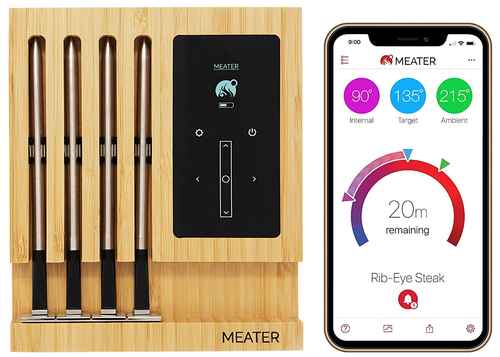
- Use oven-safe thermometers to ensure safe temperatures.
- Avoid stacking thick layers; separate portions if necessary.
- Adjust moisture levels for foods prone to drying.
- Finish with broil mode for a golden top or crispy edges, if suitable.
FAQs
What Is The Best Temperature To Reheat Food In The Oven?
The best temperature to reheat food in the oven typically ranges between 300°F to 350°F (150°C to 175°C). This allows the food to heat evenly without drying out or overcooking.
Should I Cover Food With Foil When Reheating In The Oven?
It is often recommended to cover food with aluminum foil when reheating in the oven, as it helps retain moisture and prevents the food from drying out. However, for crispy foods like pizza, leaving them uncovered is ideal.
How Long Does It Take To Reheat Food In The Oven?
The reheating time varies depending on the type and amount of food. Generally, it takes between 10 to 20 minutes. Smaller portions may take less time, while larger dishes could require up to 30 minutes.
Can I Reheat Frozen Food In The Oven?
Yes, you can reheat frozen food in the oven. It is best to preheat the oven to a temperature of 375°F (190°C) and allow extra time for the food to fully thaw and heat through, usually between 30 to 60 minutes depending on the size of the item.
How Can I Prevent Food From Drying Out When Reheating In The Oven?
To prevent food from drying out, cover it with foil or a lid, and consider adding a small amount of liquid like water, broth, or sauce to the dish. This helps maintain moisture during reheating.
Should I Use A Baking Sheet When Reheating Food?
Using a baking sheet is a good idea, especially for reheating pizza, baked goods, or anything that could spill or drip. It also allows for better air circulation around the food, ensuring even reheating.
Can I Reheat Multiple Dishes At The Same Time In The Oven?
Yes, you can reheat multiple dishes at once. However, make sure there is enough space between them for proper air circulation. You may need to adjust the reheating time slightly based on the number of items being heated.
How Do I Know If My Food Is Fully Reheated In The Oven?
To ensure food is fully reheated, check that it reaches a safe internal temperature of at least 165°F (74°C). Use a food thermometer to check the temperature in the center of the dish.
Is It Better To Reheat Food In A Microwave Or Oven?
It depends on the type of food. The oven is ideal for reheating foods like casseroles, pizza, and roasted meats, as it preserves texture. Microwaves are faster but can make foods like bread or fried items soggy.
Can I Reheat Leftover Pasta In The Oven?
Yes, leftover pasta can be reheated in the oven. For best results, place the pasta in an oven-safe dish, cover it with foil, and heat it at 350°F (175°C) for about 15-20 minutes. Adding a little sauce or water can help prevent it from drying out.