
How To Reheat Fried Catfish In Oven [FULL GUIDE]
Fried catfish is a beloved dish, celebrated for its crisp, golden exterior and tender, flaky interior. There’s something undeniably satisfying about biting into a piece of perfectly fried catfish, where the seasoning melds seamlessly with the fish’s natural flavor. However, life doesn’t always allow us to enjoy fried catfish fresh out of the fryer. Leftovers can easily lose their crispness and turn soggy if not reheated correctly. This is where the oven becomes an indispensable ally. Reheating fried catfish in the oven, rather than using a microwave, preserves its texture, flavor, and moisture balance, allowing it to taste almost as good as when it was first cooked. Yet, achieving this perfect balance requires attention to temperature, timing, and technique.
Contents
- 1 Best Temperature To Reheat Fried Catfish In Oven
- 2 Best Cooking Time To Reheat Fried Catfish In Oven
- 3 How To Reheat Fried Catfish In Oven
- 4 When Not To Reheat Fried Catfish In The Oven
- 5 Reheating Fried Catfish More Than Once
- 6 What If I Use A Different Oven Temperature?
- 7 What If I Use A Different Oven Cook Time?
- 8 Best Ways To Reheat Fried Catfish
- 9 Tips For Optimal Reheating Results
- 10 FAQs
- 10.1 What Is The Best Temperature To Reheat Fried Catfish In The Oven?
- 10.2 How Long Should I Reheat Fried Catfish In The Oven?
- 10.3 Should I Cover The Fried Catfish When Reheating In The Oven?
- 10.4 Is It Necessary To Preheat The Oven Before Reheating Fried Catfish?
- 10.5 Can I Reheat Frozen Fried Catfish In The Oven?
- 10.6 Should I Use A Baking Sheet Or A Wire Rack For Reheating?
- 10.7 Can I Add Oil Or Butter When Reheating Fried Catfish In The Oven?
- 10.8 How Can I Tell When The Fried Catfish Is Properly Reheated?
- 10.9 Is Reheating Fried Catfish In The Microwave A Good Alternative?
- 10.10 Can I Reheat Fried Catfish With Sides In The Same Oven?
Best Temperature To Reheat Fried Catfish In Oven
The temperature you choose is crucial to retaining the catfish’s crispiness while warming the fish thoroughly. Experts recommend reheating fried catfish at 350°F (175°C). This temperature is ideal because it is high enough to revive the crunchy coating without overcooking the delicate fish inside. Cooking at too low a temperature can leave the catfish limp and greasy, while too high a temperature can dry out the flesh or burn the breading.
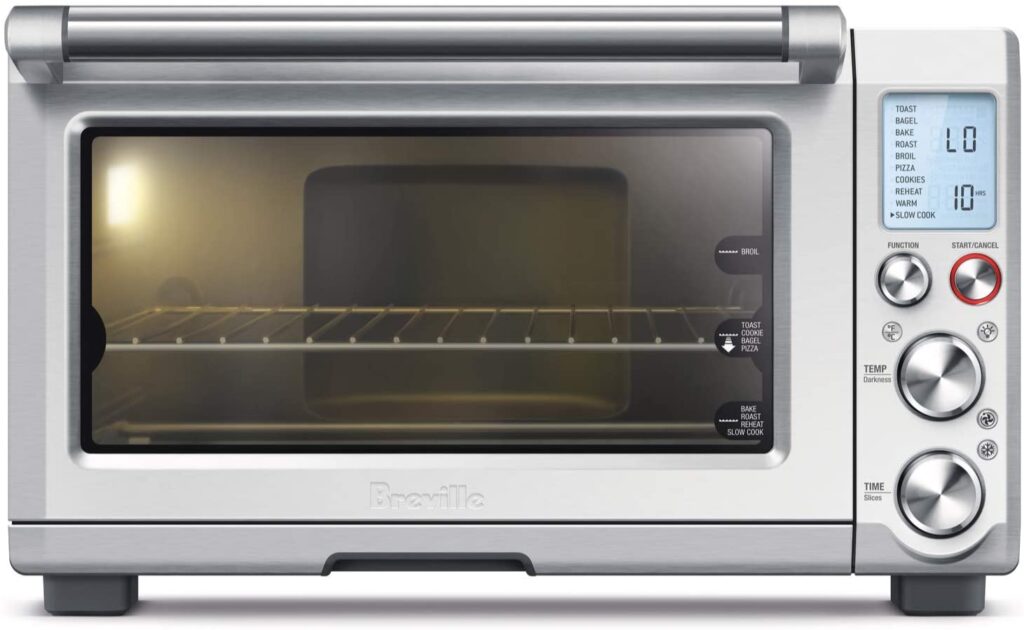
For an extra touch of precision, preheating your oven fully ensures even heat distribution. Additionally, using a wire rack on a baking sheet elevates the catfish, allowing hot air to circulate underneath and crisp the coating uniformly.
Best Cooking Time To Reheat Fried Catfish In Oven
Timing is just as important as temperature. Reheating fried catfish generally requires 10-15 minutes, depending on the thickness of the fillets. Thin fillets may only need about 8-10 minutes, while thicker cuts may require closer to 15 minutes.
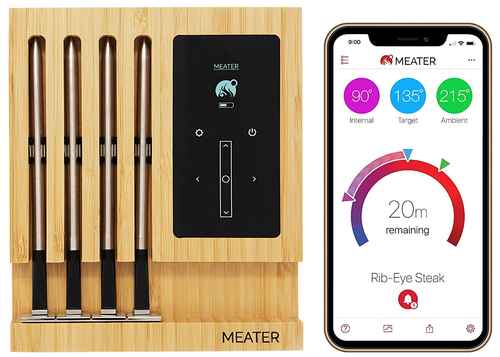
To ensure even heating, it’s advisable to flip the catfish halfway through the cooking time. This prevents one side from over-browning while the other remains cold. Using a food thermometer can also help; the internal temperature should reach 145°F (63°C), which guarantees the fish is safe to eat and thoroughly reheated without drying out.
How To Reheat Fried Catfish In Oven
- Preheat the Oven: Set to 350°F (175°C) and allow it to reach full temperature.
- Prepare the Catfish: Remove leftovers from the refrigerator and let them sit at room temperature for 10-15 minutes to reduce temperature shock.
- Use a Wire Rack: Place the catfish on a wire rack over a baking sheet. This ensures airflow beneath the fillet, keeping the coating crispy.
- Reheat: Place the catfish in the oven and bake for 10-15 minutes, flipping once halfway through.
- Check Doneness: Use a thermometer to confirm the internal temperature has reached 145°F (63°C). If the fish is warm and the coating is crisp, it’s ready to serve.
When Not To Reheat Fried Catfish In The Oven
While reheating is convenient, there are times when it’s best to skip it:
- Overly soggy or oily leftovers: Reheating may intensify the greasiness, making the catfish unpalatable.
- Fish that has been stored too long: If leftovers have been in the refrigerator for more than 3-4 days, reheating may not be safe due to bacterial growth.
- Fish that has lost structural integrity: If the fillets are falling apart, the oven may further dry or crumble the fish.
Reheating Fried Catfish More Than Once
Repeatedly reheating fried catfish is not recommended. Each reheating cycle dries out the fish and degrades the crispy coating. Ideally, you should only reheat once and consume immediately. If leftovers are abundant, consider dividing portions so only what you need is reheated.
What If I Use A Different Oven Temperature?
- Lower Temperature (300°F / 150°C): The fish will heat more gently, which can help prevent burning, but the coating may not crisp properly. You might need to extend cooking time, increasing the risk of drying out the fish.
- Higher Temperature (400°F / 200°C): The coating will crisp faster, but the interior may remain cold, or the fish may dry out quickly. If using higher heat, monitor closely and reduce baking time.
What If I Use A Different Oven Cook Time?
Altering cook time requires careful adjustment:
- Shorter Time: Fish may remain cold in the center while the coating appears golden brown.
- Longer Time: Risk of drying out the delicate fillets and burning the coating. A good rule is to increase or decrease time in 2-3 minute increments while checking doneness with a thermometer.
Best Ways To Reheat Fried Catfish
Besides the oven, there are other methods, though the oven remains superior for texture:
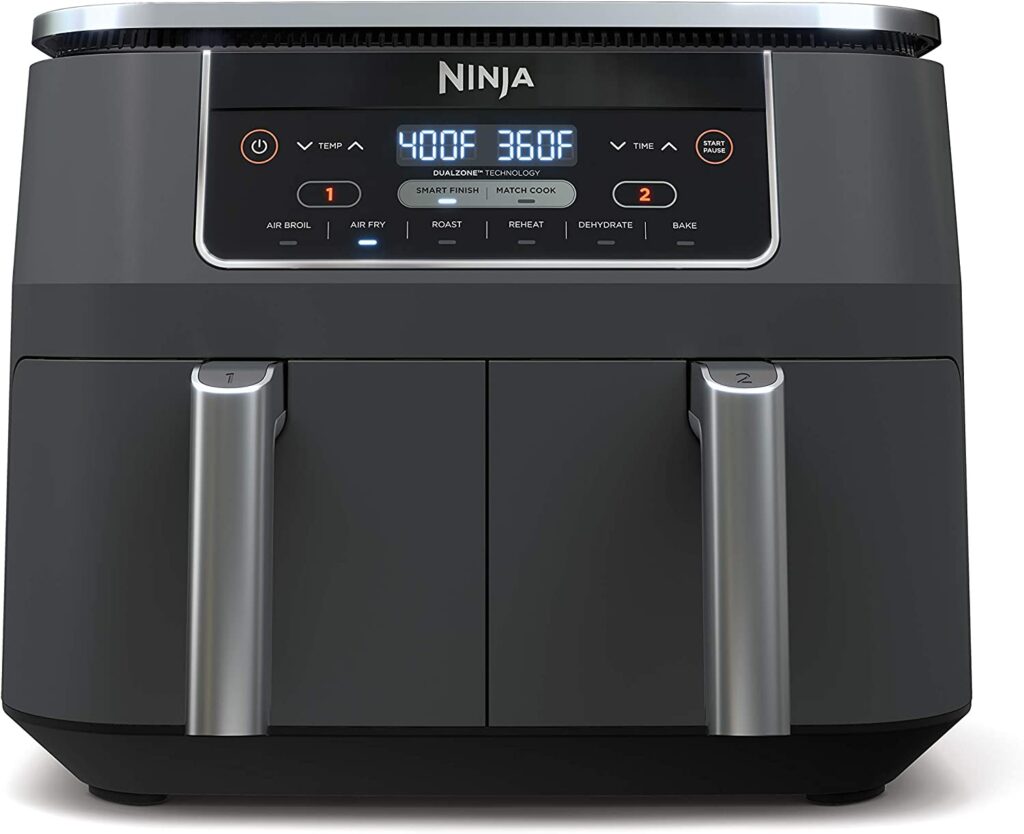
- Air Fryer: Excellent for restoring crispiness in 5-8 minutes at 350°F.
- Skillet: Medium heat with a light drizzle of oil can crisp the coating, but it requires constant attention.
- Microwave: Quick but will make the coating soggy; not recommended unless combined with a short oven finish for crispiness.
Tips For Optimal Reheating Results
- Avoid stacking fillets: Crowding the oven can trap steam and make the coating soggy.
- Use a light oil spray: A gentle mist of cooking oil can help revive crispiness without greasiness.
- Preheat thoroughly: Ensures even cooking and prevents soggy spots.
- Check frequently: Keep an eye on both coating and internal temperature.
- Serve immediately: Fried catfish is best enjoyed fresh from the oven; letting it sit will reduce crispness.
FAQs
What Is The Best Temperature To Reheat Fried Catfish In The Oven?
The ideal temperature to reheat fried catfish in the oven is 350°F (175°C). This temperature allows the fish to warm through evenly while preserving the crispiness of the coating without overcooking the fish inside.
How Long Should I Reheat Fried Catfish In The Oven?
Typically, fried catfish should be reheated for 10 to 15 minutes. If the fillets are larger or thicker, you may need an additional 3-5 minutes. It’s recommended to check the internal temperature to ensure it reaches 145°F (63°C) for safe consumption.
Should I Cover The Fried Catfish When Reheating In The Oven?
No, it’s best not to cover the catfish with foil. Leaving it uncovered helps retain the crispiness of the breading. However, if the coating starts to brown too quickly, you can loosely tent foil over the fish for the last few minutes.
Is It Necessary To Preheat The Oven Before Reheating Fried Catfish?
Yes, preheating the oven ensures even reheating and prevents the fish from becoming soggy. Preheat to 350°F (175°C) before placing the catfish inside.
Can I Reheat Frozen Fried Catfish In The Oven?
Yes, frozen fried catfish can be reheated, but it may require 15-20 minutes at 350°F (175°C) instead of 10-15 minutes. Make sure to thaw slightly in the refrigerator if possible to ensure even heating and maintain crispiness.
Should I Use A Baking Sheet Or A Wire Rack For Reheating?
A wire rack placed over a baking sheet is ideal because it allows air to circulate around the fish, keeping the breading crispy. If using only a baking sheet, you may need to flip the fillets halfway through reheating.
Can I Add Oil Or Butter When Reheating Fried Catfish In The Oven?
A light brushing of oil or melted butter can help restore moisture and enhance crispiness, but it is optional. Avoid adding too much, as excess oil can make the coating soggy.
How Can I Tell When The Fried Catfish Is Properly Reheated?
The catfish is properly reheated when it is hot throughout and the internal temperature reaches 145°F (63°C). The breading should feel crisp and golden. You can also test by gently flaking the fish; it should separate easily without feeling cold inside.
Is Reheating Fried Catfish In The Microwave A Good Alternative?
Reheating in the microwave is not recommended if you want to maintain the crispiness of the coating. Microwaving can make the breading soggy and unevenly heat the fish. The oven method is preferable for best texture and flavor.
Can I Reheat Fried Catfish With Sides In The Same Oven?
Yes, but be mindful of cooking times and temperatures. Sides like vegetables or potatoes may have different reheating requirements. If necessary, reheat sides separately or adjust timing to prevent overcooking the catfish.