
How To Reheat Fried Pickles In Oven [FULL GUIDE]
Fried pickles are a beloved snack with a perfect balance of tangy pickle flavor and crunchy, golden-brown coating. Whether served as an appetizer at a restaurant or made at home, nothing beats biting into a crispy fried pickle. However, enjoying leftover fried pickles presents a challenge-how do you preserve their signature crunch without overcooking or drying them out? Reheating fried pickles in the oven is widely considered the best method for restoring their crispy texture while warming the interior evenly. Unlike microwaving, which often results in soggy coatings, the oven allows for consistent heat distribution that can bring fried pickles back to near-original quality. To achieve perfect reheating, it’s essential to consider temperature, timing, and technique carefully.
Contents
- 1 Best Temperature To Reheat Fried Pickles In Oven
- 2 Best Cooking Time To Reheat Fried Pickles In Oven
- 3 How To Reheat Fried Pickles In Oven
- 4 When Not To Reheat Fried Pickles In The Oven
- 5 Reheating Fried Pickles More Than Once
- 6 What If I Use A Different Oven Temperature?
- 7 What If I Use A Different Oven Cook Time?
- 8 Best Ways To Reheat Fried Pickles
- 9 Tips For Optimal Reheating Results
- 10 FAQs
- 10.1 What Is The Best Temperature To Reheat Fried Pickles In The Oven?
- 10.2 Should I Cover The Fried Pickles With Foil When Reheating?
- 10.3 Do I Need To Preheat The Oven Before Reheating Fried Pickles?
- 10.4 How Long Should I Reheat Fried Pickles In The Oven?
- 10.5 Can I Reheat Frozen Fried Pickles In The Oven?
- 10.6 Should I Use A Baking Sheet Or A Wire Rack To Reheat Fried Pickles?
- 10.7 Do I Need To Oil Or Spray The Fried Pickles Before Reheating?
- 10.8 Is It Safe To Reheat Fried Pickles Multiple Times?
- 10.9 Can I Use A Convection Oven To Reheat Fried Pickles?
- 10.10 How Do I Know When The Fried Pickles Are Properly Reheated?
Best Temperature To Reheat Fried Pickles In Oven
The ideal temperature to reheat fried pickles in the oven is 350°F (175°C). This temperature is high enough to crisp the coating without burning it or overcooking the pickle inside. Lower temperatures (around 300°F/150°C) may warm the pickles unevenly and fail to restore crunch, while higher temperatures (400°F/205°C or more) risk scorching the exterior before the interior is adequately heated. Maintaining a steady, moderate oven temperature ensures the coating remains golden and crispy while the tangy pickle inside becomes pleasantly warm.
Best Cooking Time To Reheat Fried Pickles In Oven
Timing is crucial when reheating fried pickles. Generally, 8-12 minutes at 350°F (175°C) is sufficient for standard-sized pickles. Larger or thicker slices may require slightly longer, closer to 12-15 minutes, while smaller pieces could be ready in as little as 6-8 minutes. The goal is to heat the pickles thoroughly without compromising the crispness of the breading. Checking the pickles halfway through allows you to monitor their progress and avoid over-baking.
How To Reheat Fried Pickles In Oven
- Preheat the oven to 350°F (175°C).
- Line a baking sheet with parchment paper or aluminum foil to prevent sticking and make cleanup easier.
- Arrange the fried pickles in a single layer, ensuring they are not touching. Overcrowding traps moisture and prevents crisping.
- Optional step: Lightly spray or brush the pickles with a small amount of oil to enhance crunch.
- Bake for 8-12 minutes, flipping halfway through for even crisping.
- Check doneness: The coating should be golden brown and the pickle inside warm. If necessary, bake for an additional 1-2 minutes, but monitor closely to prevent burning.
When Not To Reheat Fried Pickles In The Oven
While reheating fried pickles is usually safe, there are instances when it may not be ideal:
- If they’ve been stored for more than 3-4 days in the refrigerator, as the coating may become soggy and the pickle may lose its flavor.
- If they were initially overcooked or soggy, reheating may further degrade texture.
- If they are frozen without proper wrapping, moisture can create soggy spots during reheating.
In these cases, consider alternative uses, such as chopping into a salad or incorporating into a fried pickle dip, rather than attempting to restore the original fried texture.
Reheating Fried Pickles More Than Once
Repeated reheating is generally discouraged. Each reheating cycle dries out the coating and the pickle, leading to a tough, rubbery texture. If you must reheat more than once, do so at lower temperatures (around 325°F/160°C) and for shorter durations to minimize moisture loss. Ideally, reheat only the portion you intend to consume immediately.
What If I Use A Different Oven Temperature?
- Lower than 350°F (e.g., 300°F/150°C): The pickles will heat slowly and may remain soggy, as the coating will not crisp properly.
- Higher than 350°F (e.g., 400°F/205°C): The exterior may burn or brown too quickly while the interior remains cool, ruining the balance of crunch and warmth.
Temperature adjustments can work for specific circumstances, but 350°F remains the most reliable standard.
What If I Use A Different Oven Cook Time?
- Shorter time (<8 minutes): Pickles may be warm on the outside but cold or unevenly heated inside.
- Longer time (>12 minutes): Risk of over-drying and hardening the coating, making them less enjoyable.
For best results, aim for the recommended 8-12 minutes, flipping halfway through for even heat distribution.
Best Ways To Reheat Fried Pickles
While the oven is the top choice, there are other methods:
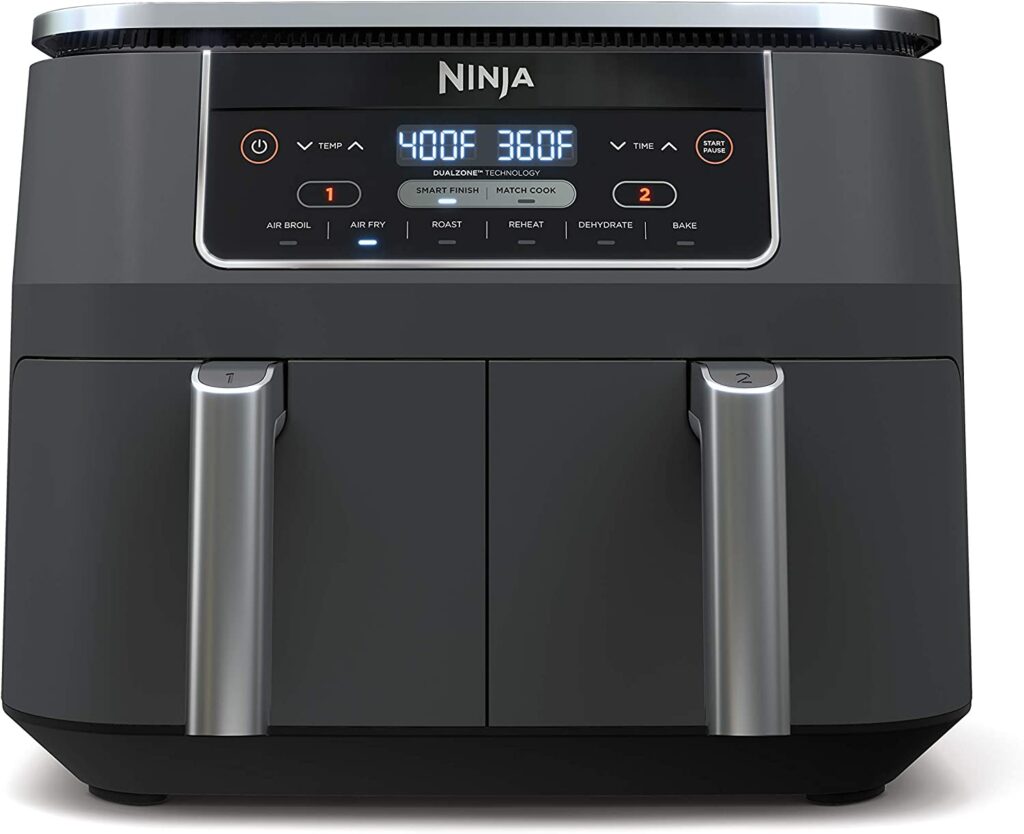
- Air Fryer: Works well at 350°F for 4-6 minutes, giving excellent crispness.
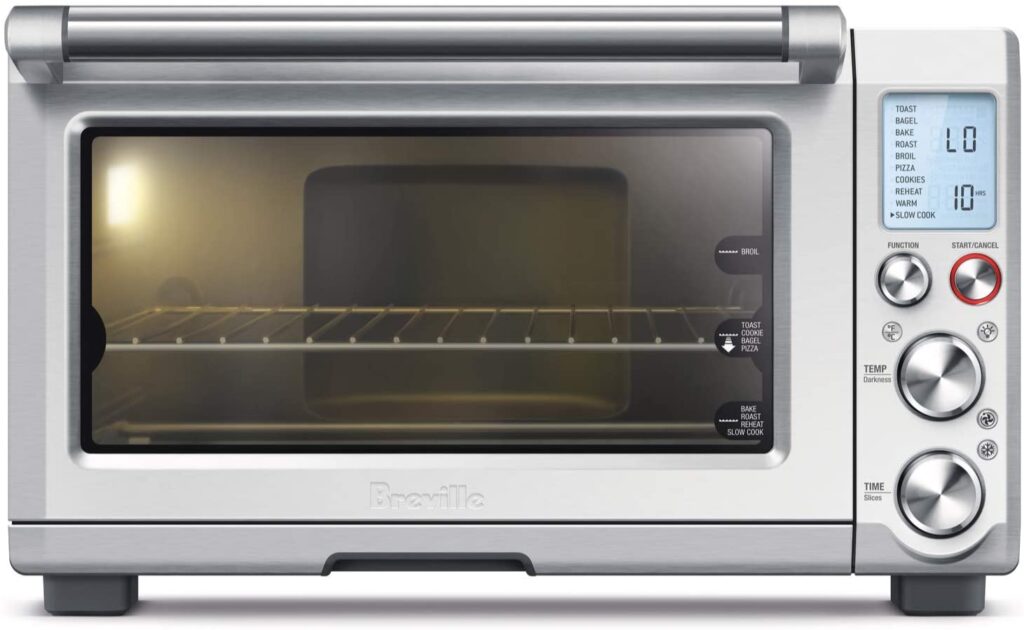
- Toaster Oven: Similar to conventional oven, but check frequently due to smaller space and faster heat.
- Skillet: Quick pan-frying over medium heat can crisp the coating, though it requires more attention and oil.
Avoid the microwave unless speed is essential; it tends to make the coating soggy.
Tips For Optimal Reheating Results
- Use a wire rack on the baking sheet: Elevates pickles, allowing heat circulation and preventing sogginess.
- Avoid stacking: Crowding traps steam and reduces crispness.
- Lightly brush with oil: Helps revive crunch and golden color.
- Monitor halfway: Flip the pickles to ensure even browning.
- Serve immediately: Fried pickles are best enjoyed hot and crisp, as holding them even briefly after reheating can soften the coating.
FAQs
What Is The Best Temperature To Reheat Fried Pickles In The Oven?
The ideal temperature is 375°F (190°C). This temperature ensures the pickles heat evenly while maintaining a crispy coating without burning.
Should I Cover The Fried Pickles With Foil When Reheating?
No, covering fried pickles with foil traps steam, which makes the coating soggy. Place them directly on a baking sheet for best results.
Do I Need To Preheat The Oven Before Reheating Fried Pickles?
Yes, preheating the oven ensures consistent heat from the start, which helps maintain the crispiness of the fried coating.
How Long Should I Reheat Fried Pickles In The Oven?
Reheat for 10 to 15 minutes. Check at the 10-minute mark and adjust as needed based on size and thickness to avoid overcooking.
Can I Reheat Frozen Fried Pickles In The Oven?
Yes, frozen fried pickles can be reheated directly in the oven. Increase the time to 15-20 minutes and check halfway to ensure even heating.
Should I Use A Baking Sheet Or A Wire Rack To Reheat Fried Pickles?
A wire rack on top of a baking sheet is preferred. It allows air to circulate around the pickles, keeping the coating crispier compared to direct contact with a baking sheet.
Do I Need To Oil Or Spray The Fried Pickles Before Reheating?
Lightly spraying with cooking oil or brushing with a small amount of oil can help restore some crispiness, but it is optional if they were properly fried.
Is It Safe To Reheat Fried Pickles Multiple Times?
It is safe, but not recommended. Repeated reheating can dry out the pickles and make the coating lose its crispiness.
Can I Use A Convection Oven To Reheat Fried Pickles?
Yes, a convection oven is ideal because the circulating air helps keep the coating crispy. Reduce the temperature by 25°F (about 15°C) compared to a conventional oven.
How Do I Know When The Fried Pickles Are Properly Reheated?
The fried pickles are ready when the coating is crispy and golden brown, and the inside is heated through. You can test by cutting one in half or using a food thermometer to ensure the interior reaches 165°F (74°C).