
How To Reheat Fried Shrimp In Oven [FULL GUIDE]
Fried shrimp is a beloved delicacy with its golden, crispy exterior and tender, juicy interior. Whether served as a main course, appetizer, or part of a seafood platter, it’s the perfect combination of flavor and texture. However, one common dilemma is what to do with leftovers. Reheating fried shrimp can be tricky-too much heat and the shrimp becomes rubbery; too little, and the coating loses its crispiness. The key lies in understanding the delicate balance of temperature, time, and technique. This guide dives deep into the art of reheating fried shrimp in the oven, ensuring it tastes almost as good as freshly fried.
Contents
- 1 Best Temperature To Reheat Fried Shrimp In Oven
- 2 Best Cooking Time To Reheat Fried Shrimp In Oven
- 3 How To Reheat Fried Shrimp In Oven
- 4 When Not To Reheat Fried Shrimp In The Oven
- 5 Reheating Fried Shrimp More Than Once
- 6 What If I Use A Different Oven Temperature?
- 7 What If I Use A Different Oven Cook Time?
- 8 Best Ways To Reheat Fried Shrimp
- 9 Tips For Optimal Reheating Results
- 10 FAQs
- 10.1 What Is The Best Method To Reheat Fried Shrimp In The Oven?
- 10.2 Should I Thaw Frozen Fried Shrimp Before Reheating Them In The Oven?
- 10.3 Can I Reheat Fried Shrimp In The Oven Without Covering Them With Foil?
- 10.4 How Long Does It Take To Reheat Fried Shrimp In The Oven?
- 10.5 Can I Use A Convection Oven To Reheat Fried Shrimp?
- 10.6 Is It Necessary To Use A Baking Sheet When Reheating Fried Shrimp?
- 10.7 How Can I Avoid Fried Shrimp Becoming Soggy When Reheating Them In The Oven?
- 10.8 Can I Reheat Fried Shrimp Directly From The Refrigerator?
- 10.9 How Can I Check If Fried Shrimp Are Heated Through In The Oven?
- 10.10 Can I Reheat Fried Shrimp More Than Once In The Oven?
Best Temperature To Reheat Fried Shrimp In Oven
The ideal oven temperature for reheating fried shrimp is between 325°F and 375°F (163°C-190°C). This range is hot enough to warm the shrimp thoroughly and re-crisp the coating without overcooking the shrimp inside. Temperatures lower than 325°F may leave the shrimp lukewarm and soggy, while temperatures above 375°F risk burning the crust and drying out the delicate seafood.
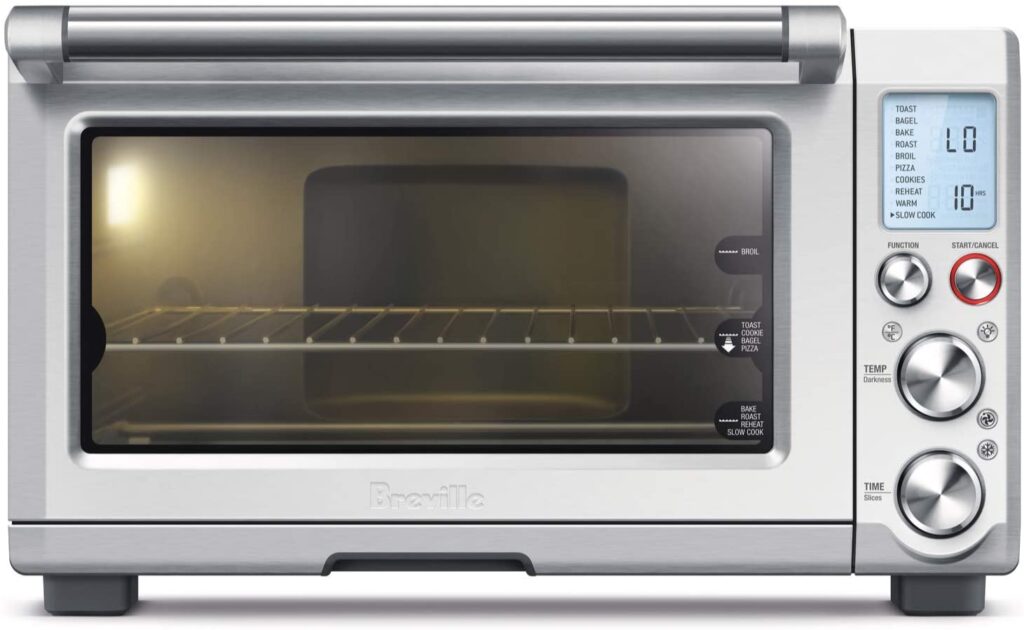
A moderate heat ensures the shrimp retains its signature juiciness while restoring that coveted crunch. Using a convection oven, if available, can help circulate the heat evenly, producing a more uniform reheating effect.
Best Cooking Time To Reheat Fried Shrimp In Oven
Cooking time is just as critical as temperature. Generally, fried shrimp should be reheated for 8 to 12 minutes, depending on their size and your oven’s efficiency. Smaller shrimp often require less time, while jumbo or breaded varieties may need a minute or two more.
A useful trick is to check the shrimp halfway through and flip them if necessary. This ensures both sides crisp evenly without overheating. Over-reheating, even by a few minutes, can turn the shrimp chewy and tough-a problem that’s all too common if you’re rushing.
How To Reheat Fried Shrimp In Oven
- Preheat the Oven: Set it to 350°F (175°C) for a balanced approach.
- Prepare the Shrimp: Place a wire rack on a baking sheet and arrange the shrimp in a single layer. Avoid overcrowding, as this traps steam and softens the coating.
- Optional Oil Spritz: Lightly mist the shrimp with cooking spray or brush with a tiny amount of oil to enhance crispiness.
- Bake: Heat for 8-12 minutes, flipping halfway through. Watch closely in the final minutes.
- Check Doneness: The shrimp should be piping hot inside and golden-brown on the outside.
Using a wire rack is especially important; it allows air to circulate, keeping the crust crisp instead of soggy.
When Not To Reheat Fried Shrimp In The Oven
Not all fried shrimp is fit for reheating. Avoid reheating shrimp if:
- It has been sitting at room temperature for more than 2 hours.
- It has an off smell, slimy texture, or discoloration.
- It was overcooked initially or already dry.
Reheating shrimp that has gone bad or is already overcooked will only magnify its undesirable texture and taste. Safety and quality should always take priority.
Reheating Fried Shrimp More Than Once
Reheating fried shrimp multiple times is strongly discouraged. Each cycle of reheating:
- Degrades the texture, making the shrimp rubbery.
- Reduces moisture content, drying out the interior.
- Increases the risk of bacterial growth if not handled properly.
Ideally, reheat only the portion you plan to eat immediately. If you anticipate leftovers, consider storing them in small, portion-sized containers.
What If I Use A Different Oven Temperature?
Adjusting the oven temperature can affect the shrimp significantly:
- Lower temperatures (below 325°F / 163°C): Slow warming may prevent crispiness and leave the shrimp lukewarm.
- Higher temperatures (above 375°F / 190°C): Quick heating may burn the breading before the shrimp is warmed through.
Moderate heat is the safest and most reliable method, particularly for fried seafood.
What If I Use A Different Oven Cook Time?
Time adjustments have a direct impact on texture:
- Shorter cook time: Shrimp may be warm inside but still soggy on the outside.
- Longer cook time: Shrimp can become dry, rubbery, or even slightly overcooked, destroying the delicate flavor and texture.
Stick to 8-12 minutes as a general guideline, adjusting slightly based on shrimp size and oven type.
Best Ways To Reheat Fried Shrimp
While the oven is the preferred method, other approaches exist:
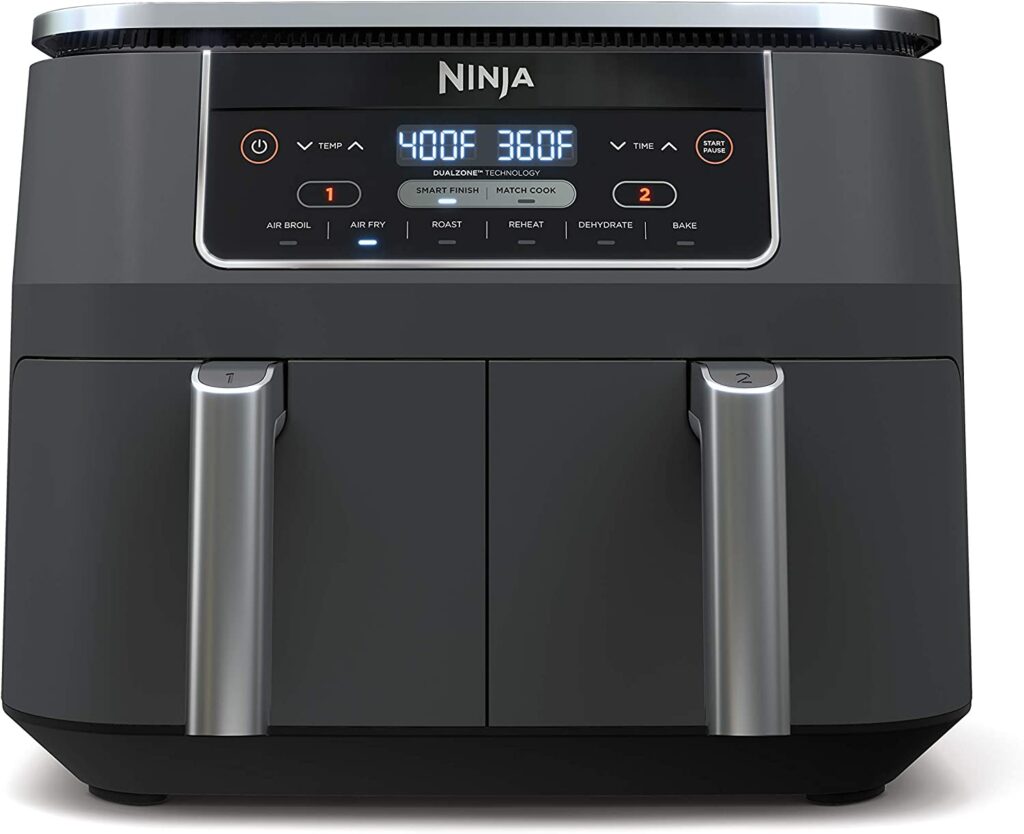
- Air Fryer: Excellent for crispiness; 3-5 minutes at 350°F (175°C).
- Skillet: Lightly reheat over medium heat with minimal oil to restore crunch.
- Microwave (not recommended): Only for convenience; results in soggy shrimp.
For most home cooks, the oven strikes the best balance between ease, safety, and quality.
Tips For Optimal Reheating Results
- Use a Wire Rack: Prevents sogginess by allowing air circulation.
- Do Not Overcrowd: Leave space between shrimp to ensure even heat distribution.
- Preheat the Oven: Ensures consistent, controlled heating.
- Flip Midway: Encourages uniform crispiness on both sides.
- Monitor Closely: Especially in the final minutes to avoid overcooking.
- Optional Oil Spritz: Helps rejuvenate the golden crust without making it greasy.
These small steps make a noticeable difference, transforming leftover shrimp into a near-fresh experience.
FAQs
What Is The Best Method To Reheat Fried Shrimp In The Oven?
The best method is to preheat your oven to 375°F (190°C), place the fried shrimp on a baking sheet in a single layer, and cover them loosely with aluminum foil. Heat for about 10-12 minutes, checking for crispiness. Remove the foil during the last few minutes for extra crispness.
Should I Thaw Frozen Fried Shrimp Before Reheating Them In The Oven?
Yes, it is recommended to thaw frozen fried shrimp before reheating. You can thaw them in the refrigerator overnight or use the defrost function on your microwave. Thawing ensures even heating and prevents the shrimp from becoming soggy.
Can I Reheat Fried Shrimp In The Oven Without Covering Them With Foil?
Yes, you can, but covering the shrimp with foil helps retain moisture and prevents them from drying out. If you want extra crispiness, uncover them for the last 3-5 minutes of reheating.
How Long Does It Take To Reheat Fried Shrimp In The Oven?
It typically takes around 10-12 minutes to reheat fried shrimp in the oven at 375°F (190°C), but the time may vary depending on the size and thickness of the shrimp. Always check for crispiness and warmth before serving.
Can I Use A Convection Oven To Reheat Fried Shrimp?
Yes, a convection oven works well for reheating fried shrimp. The circulating hot air helps them reheat evenly and retain their crisp texture. Set the convection oven to 350°F (175°C) and check after 8-10 minutes.
Is It Necessary To Use A Baking Sheet When Reheating Fried Shrimp?
It’s highly recommended to use a baking sheet to ensure even heat distribution and prevent the shrimp from sticking to the oven rack. Place a layer of parchment paper on the sheet for easy cleanup.
How Can I Avoid Fried Shrimp Becoming Soggy When Reheating Them In The Oven?
To prevent sogginess, ensure the shrimp are arranged in a single layer on the baking sheet, not overcrowded. Using aluminum foil during the first part of reheating helps preserve moisture, while removing it towards the end will promote crispiness.
Can I Reheat Fried Shrimp Directly From The Refrigerator?
Yes, you can reheat refrigerated fried shrimp directly in the oven. However, it’s important to make sure they are at room temperature for a more even reheating process. Let them sit for 5-10 minutes before placing them in the oven.
How Can I Check If Fried Shrimp Are Heated Through In The Oven?
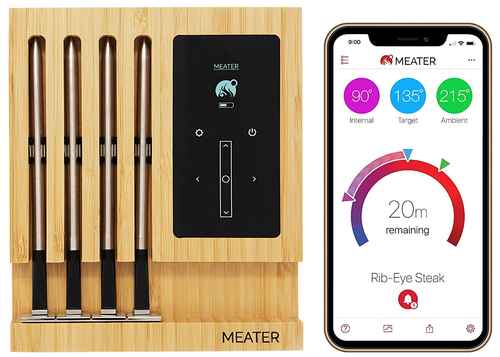
To check if the fried shrimp are heated through, you can cut one open to ensure the inside is warm. Alternatively, use a food thermometer to check the internal temperature, which should reach 145°F (63°C).
Can I Reheat Fried Shrimp More Than Once In The Oven?
It’s not recommended to reheat fried shrimp more than once, as repeated heating can cause the shrimp to become dry and tough. It’s best to reheat only the portion you intend to eat.