
How To Reheat Frozen Boston Butt In Oven [FULL GUIDE]
Reheating frozen Boston butt in the oven is a culinary task that requires a careful balance of heat, timing, and moisture. The Boston butt, a cut of pork from the upper part of the shoulder, is prized for its rich marbling and deep flavor, which can be easily compromised if reheated improperly. Unlike fresh cuts, frozen meat introduces the challenge of uneven thawing and potential dryness, making it essential to approach the process methodically. Whether you’ve prepared a slow-roasted Boston butt for a family gathering or purchased a pre-cooked cut for later use, understanding the science behind reheating ensures that the meat retains its tenderness, juiciness, and robust flavor. This guide delves into the best practices, recommended temperatures, and optimal cooking times for achieving perfect results every time.
Contents
- 1 Best Temperature To Reheat Frozen Boston Butt In Oven
- 2 Best Cooking Time To Reheat Frozen Boston Butt In Oven
- 3 How To Reheat Frozen Boston Butt In Oven
- 4 When Not To Reheat Frozen Boston Butt In The Oven
- 5 Reheating Frozen Boston Butt More Than Once
- 6 What If I Use A Different Oven Temperature?
- 7 What If I Use A Different Oven Cook Time?
- 8 Best Ways To Reheat Frozen Boston Butt
- 9 Tips For Optimal Reheating Results
- 10 FAQs
- 10.1 Can You Reheat A Frozen Boston Butt Directly In The Oven?
- 10.2 What Oven Temperature Is Best For Reheating A Frozen Boston Butt?
- 10.3 How Long Does It Take To Reheat A Frozen Boston Butt In The Oven?
- 10.4 Should You Cover The Boston Butt While Reheating?
- 10.5 Is It Safe To Reheat Frozen Boston Butt Without Thawing?
- 10.6 Can You Season Or Glaze A Frozen Boston Butt Before Reheating?
- 10.7 How Can You Prevent The Boston Butt From Drying Out During Reheating?
- 10.8 Do You Need To Use A Meat Thermometer When Reheating Frozen Boston Butt?
- 10.9 Can Reheating Affect The Texture Of Boston Butt?
- 10.10 Is It Better To Reheat The Entire Boston Butt Or Cut It Into Smaller Portions?
Best Temperature To Reheat Frozen Boston Butt In Oven
The ideal oven temperature is critical for preserving the meat’s texture and flavor. For frozen Boston butt, a moderate and consistent heat is preferred to avoid drying out the exterior while ensuring the interior reaches a safe temperature. A recommended range is 275°F to 325°F (135°C to 165°C).
- Lower end (275°F / 135°C): This slow and gentle approach minimizes the risk of overcooking while allowing heat to penetrate the frozen core gradually. It is particularly suitable for larger cuts, as it promotes even reheating and helps retain moisture.
- Higher end (325°F / 165°C): Slightly higher heat can speed up the reheating process without sacrificing too much juiciness, but it requires careful monitoring to avoid scorching the edges.
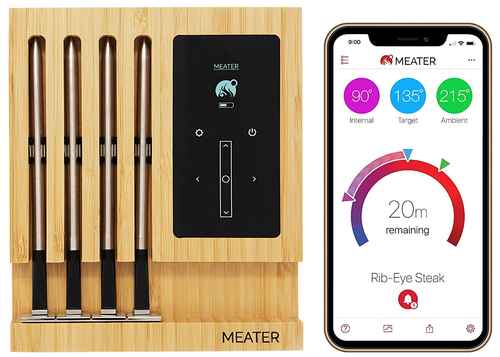
Using an oven thermometer is highly advisable, as many ovens can vary in temperature by 25°F or more, which could lead to uneven reheating if not accounted for.
Best Cooking Time To Reheat Frozen Boston Butt In Oven
Cooking time is directly influenced by the weight and thickness of the Boston butt. For a frozen cut, a general guideline is 45 minutes to 1 hour per pound at 275°F. Smaller cuts may require less time, while larger roasts (5-7 pounds) could take 4-6 hours to reheat thoroughly.
Key considerations for timing:
- Internal Temperature Goal: The center of the meat should reach at least 165°F (74°C) to ensure food safety, especially if the meat was fully frozen.
- Monitoring Moisture: During reheating, the surface can dry out. Wrapping the meat in foil or using a covered roasting pan can trap moisture and prevent a tough exterior.
- Resting Time: Once reheated, allow the Boston butt to rest for 10-15 minutes. This redistributes juices and ensures every bite is tender and flavorful.
How To Reheat Frozen Boston Butt In Oven
- Preheat the Oven: Set the temperature to 275°F-325°F, depending on your schedule and oven reliability.
- Prepare the Meat: Remove any packaging, season lightly if desired, and optionally apply a thin layer of oil or butter to enhance moisture retention.
- Wrap or Cover: Use foil or a roasting pan with a lid to cover the meat. This traps steam and prevents the outer layer from drying out.
- Place in Oven: Position the Boston butt on a baking rack inside the covered pan. A rack helps circulate heat evenly around the meat.
- Monitor Internal Temperature: Use a meat thermometer to check that the center reaches at least 165°F (74°C).
- Rest Before Serving: Remove from oven and let rest for 10-15 minutes, still wrapped, to allow juices to redistribute.
When Not To Reheat Frozen Boston Butt In The Oven
There are certain circumstances when oven reheating may not be advisable:
- Partial Thawing Issues: If the meat is partially frozen and the center is rock hard while the outside begins to cook, it can result in uneven texture. In such cases, defrosting in the refrigerator first is safer.
- Already Dry or Overcooked Meat: Reheating an already overcooked Boston butt can worsen its dryness.
- Repeated Reheating: If the meat has been reheated multiple times, each subsequent reheating can degrade flavor and texture, increasing the risk of bacterial growth if not managed correctly.
Reheating Frozen Boston Butt More Than Once
Reheating more than once is strongly discouraged. Each cycle of heating and cooling allows moisture to escape and can accelerate spoilage. If multiple meals are planned, it’s better to portion the meat before freezing and reheat only what is needed.
- Food Safety: Each reheating should bring the internal temperature back to 165°F (74°C). Multiple cycles increase the risk of uneven temperatures and bacterial growth.
- Texture Considerations: Repeated heating leads to a drier, tougher cut, diminishing the rich marbling and flavor that Boston butt is known for.
What If I Use A Different Oven Temperature?
Adjusting the oven temperature is possible but affects both cooking time and meat quality:
- Lower than 275°F: Significantly slower reheating, which may preserve moisture but increases risk of bacterial growth if internal temperature rises too slowly.
- Higher than 325°F: Speeds up reheating but can dry the surface and toughen the exterior before the interior reaches a safe temperature.
Always compensate by adjusting the cooking time, and closely monitor internal temperature to ensure even heating.
What If I Use A Different Oven Cook Time?
Changing the cook time without adjusting temperature can result in undercooked or overcooked meat:
- Shorter cook time: Risk of a cold center while the outside appears done. Internal temperature may remain unsafe.
- Longer cook time: Moisture loss and tougher meat, even at lower temperatures.
Using a meat thermometer is the most reliable way to ensure that the Boston butt is safely and properly reheated.
Best Ways To Reheat Frozen Boston Butt
While the oven is ideal for even, gentle reheating, other methods can be effective depending on convenience:
- Slow Cooker: Ideal for maintaining moisture; cook on low until internal temperature reaches 165°F.
- Sous Vide: Provides precise temperature control; excellent for retaining texture.
- Microwave (least preferred): Fast but prone to uneven heating and dryness; only use for small portions with a covered microwave-safe dish.
The oven remains preferred for larger cuts or when maintaining a crispy exterior is desired.
Tips For Optimal Reheating Results
- Pre-slice smaller portions if speed and even reheating are priorities.
- Add moisture: A splash of broth, apple juice, or water before covering in foil helps prevent dryness.
- Avoid high heat shortcuts: Slow, even heating preserves texture and flavor.
- Check internal temperature in multiple spots to ensure the entire cut is safe.
- Rest the meat: Crucial for juice redistribution, especially for thick cuts.
FAQs
Can You Reheat A Frozen Boston Butt Directly In The Oven?
Yes, you can reheat a frozen Boston butt in the oven, but it is important to reheat it slowly at a low temperature to ensure even cooking and prevent the meat from drying out. It is often recommended to thaw it first for best results, though it can be cooked from frozen with careful temperature control.
What Oven Temperature Is Best For Reheating A Frozen Boston Butt?
The ideal oven temperature for reheating a frozen Boston butt is 275°F to 300°F (135°C to 150°C). This low and slow approach allows the meat to heat evenly without overcooking the exterior while the interior remains cold.
How Long Does It Take To Reheat A Frozen Boston Butt In The Oven?
Reheating time depends on the size of the Boston butt. As a general guideline, allow 50-60 minutes per pound when reheating from frozen at 275°F. Using a meat thermometer to check internal temperature ensures it reaches at least 165°F (74°C) for safe consumption.
Should You Cover The Boston Butt While Reheating?
Yes, covering the Boston butt with aluminum foil helps retain moisture and prevents the outer layer from drying out. For added moisture, you can also add a splash of broth or apple juice before covering.
Is It Safe To Reheat Frozen Boston Butt Without Thawing?
Yes, it is safe to reheat frozen Boston butt without thawing, provided the meat reaches an internal temperature of at least 165°F (74°C). However, reheating from frozen takes significantly longer than reheating thawed meat and requires careful temperature management.
Can You Season Or Glaze A Frozen Boston Butt Before Reheating?
It is possible to season or glaze a frozen Boston butt, but the flavors may not penetrate as well as with thawed meat. It is more effective to add seasoning, sauces, or glazes after the meat has partially thawed in the oven or after reheating.
How Can You Prevent The Boston Butt From Drying Out During Reheating?
To prevent dryness, reheat at a low temperature, cover with foil, and add a small amount of liquid such as broth, water, or apple juice. Allowing the meat to rest for 10-15 minutes after reheating also helps redistribute juices and retain moisture.
Do You Need To Use A Meat Thermometer When Reheating Frozen Boston Butt?
Yes, using a meat thermometer is highly recommended. Frozen meat can heat unevenly, and checking the internal temperature ensures the meat has reached at least 165°F (74°C) to be safe for consumption.
Can Reheating Affect The Texture Of Boston Butt?
Yes, reheating can affect texture. Slow, low-temperature reheating preserves tenderness, while high heat can dry out or toughen the meat. Wrapping in foil and adding moisture helps maintain the soft, pull-apart texture typical of Boston butt.
Is It Better To Reheat The Entire Boston Butt Or Cut It Into Smaller Portions?
Cutting the Boston butt into smaller portions before reheating can speed up the process and allow more even heating. However, whole reheating preserves juices and texture if done carefully at a low temperature with proper coverage.