
How To Reheat Frozen Breakfast Sandwich In Oven [FULL GUIDE]
Frozen breakfast sandwiches have become a staple for busy mornings, offering a convenient combination of bread, eggs, cheese, and often meats like bacon, sausage, or ham. While they provide a quick solution to breakfast woes, proper reheating is key to preserving taste, texture, and food safety. Reheating in the oven is widely considered one of the best methods because it ensures even warming and helps maintain the sandwich’s original crispiness-something the microwave often fails to deliver. Understanding the ideal temperature, timing, and method can make the difference between a soggy, unevenly heated breakfast and one that tastes freshly made.
Contents
- 1 Best Temperature To Reheat Frozen Breakfast Sandwich In Oven
- 2 Best Cooking Time To Reheat Frozen Breakfast Sandwich In Oven
- 3 How To Reheat Frozen Breakfast Sandwich In Oven
- 4 When Not To Reheat Frozen Breakfast Sandwich In The Oven
- 5 Reheating Frozen Breakfast Sandwich More Than Once
- 6 What If I Use A Different Oven Temperature?
- 7 What If I Use A Different Oven Cook Time?
- 8 Best Ways To Reheat Frozen Breakfast Sandwich
- 9 Tips For Optimal Reheating Results
- 10 FAQs
- 10.1 What Is The Best Way To Reheat A Frozen Breakfast Sandwich In The Oven?
- 10.2 Do I Need To Thaw My Frozen Breakfast Sandwich Before Reheating In The Oven?
- 10.3 How Long Should I Bake A Frozen Breakfast Sandwich In The Oven?
- 10.4 Should I Wrap My Breakfast Sandwich In Foil When Reheating In The Oven?
- 10.5 Can I Use A Toaster Oven Instead Of A Conventional Oven?
- 10.6 How Can I Make The Bread Crispy When Reheating A Frozen Breakfast Sandwich In The Oven?
- 10.7 Is It Safe To Reheat A Frozen Breakfast Sandwich In The Oven?
- 10.8 Can I Reheat Multiple Frozen Breakfast Sandwiches In The Oven At Once?
- 10.9 Should I Remove Any Packaging Before Reheating My Frozen Breakfast Sandwich?
- 10.10 Can I Add Extra Toppings Before Reheating A Frozen Breakfast Sandwich In The Oven?
Best Temperature To Reheat Frozen Breakfast Sandwich In Oven
The ideal oven temperature for reheating a frozen breakfast sandwich generally ranges between 325°F to 375°F (160°C to 190°C). At this moderate heat, the sandwich warms evenly without burning the exterior while ensuring the interior reaches a safe temperature.
- 325°F (160°C): A gentler temperature that reduces the risk of the bread burning and helps thaw the sandwich gradually. Best for sandwiches with thicker bread or delicate ingredients.
- 350°F (175°C): Often considered the sweet spot for reheating most frozen breakfast sandwiches. It balances heat distribution, keeping bread slightly crispy and cheese perfectly melted.
- 375°F (190°C): Works for sandwiches that are denser or require a crispier finish, but it requires closer attention to avoid over-browning.
Best Cooking Time To Reheat Frozen Breakfast Sandwich In Oven
Cooking time depends on the sandwich size, ingredients, and whether it’s wrapped. On average:
- Unwrapped: 12-15 minutes at 350°F (175°C) ensures even warming and a lightly toasted bread exterior.
- Wrapped in foil: 15-20 minutes at 350°F (175°C) prevents the exterior from becoming too crispy while thoroughly heating the interior.
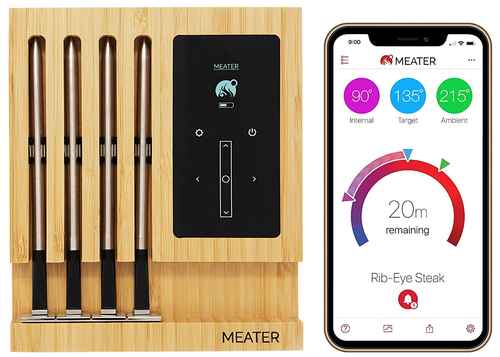
Check for doneness by ensuring the cheese is melted and the center reaches around 165°F (74°C) for food safety.
How To Reheat Frozen Breakfast Sandwich In Oven
- Preheat the oven to your desired temperature (ideally 350°F / 175°C).
- Remove the sandwich from packaging. If it’s in a plastic wrapper or paper, discard it-plastic should never go in the oven.
- Wrap in aluminum foil (optional) for softer bread or leave unwrapped for a crispier crust.
- Place the sandwich on a baking sheet. Use parchment paper for easy cleanup if unwrapped.
- Bake according to the suggested time: 12-15 minutes unwrapped, 15-20 minutes wrapped.
- Check internal temperature with a food thermometer to ensure it reaches 165°F (74°C).
- Allow to rest for 1-2 minutes after baking to avoid burning your mouth and help heat distribute evenly.
When Not To Reheat Frozen Breakfast Sandwich In The Oven
Avoid reheating in the oven if:
- The sandwich is extremely small or thin, as it may dry out quickly.
- You need an immediate meal and can’t wait 12-20 minutes.
- The sandwich contains ingredients that do not fare well under dry heat, such as delicate leafy greens or very soft cheeses, which may separate or melt unevenly.
In these cases, a microwave with a short burst or stovetop pan heating may be better.
Reheating Frozen Breakfast Sandwich More Than Once
Reheating a breakfast sandwich multiple times is not recommended. Each reheating cycle dries out the bread, overcooks the eggs, and can compromise food safety. Proteins like eggs and meat are particularly susceptible to bacterial growth when repeatedly cooled and reheated. If you anticipate not eating the sandwich immediately, it’s best to portion meals into single-use servings to avoid repeated reheating.
What If I Use A Different Oven Temperature?
Using a lower temperature (below 325°F / 160°C) will extend cooking time and may yield a softer, slightly under-toasted sandwich. Using a higher temperature (above 375°F / 190°C) can quickly brown the bread but risks uneven heating inside-cheese may burn while the egg remains cold. Adjust your timing accordingly, checking periodically to avoid scorching.
What If I Use A Different Oven Cook Time?
Shortening cook time may leave the sandwich cold inside, particularly if it’s thick or contains meat. Extending cook time beyond recommended limits can dry out the bread, overcook the egg, and create a rubbery texture. Always monitor the sandwich visually and check internal temperature to prevent these issues.
Best Ways To Reheat Frozen Breakfast Sandwich
- Oven (recommended): Preserves crispiness and evenly melts cheese.
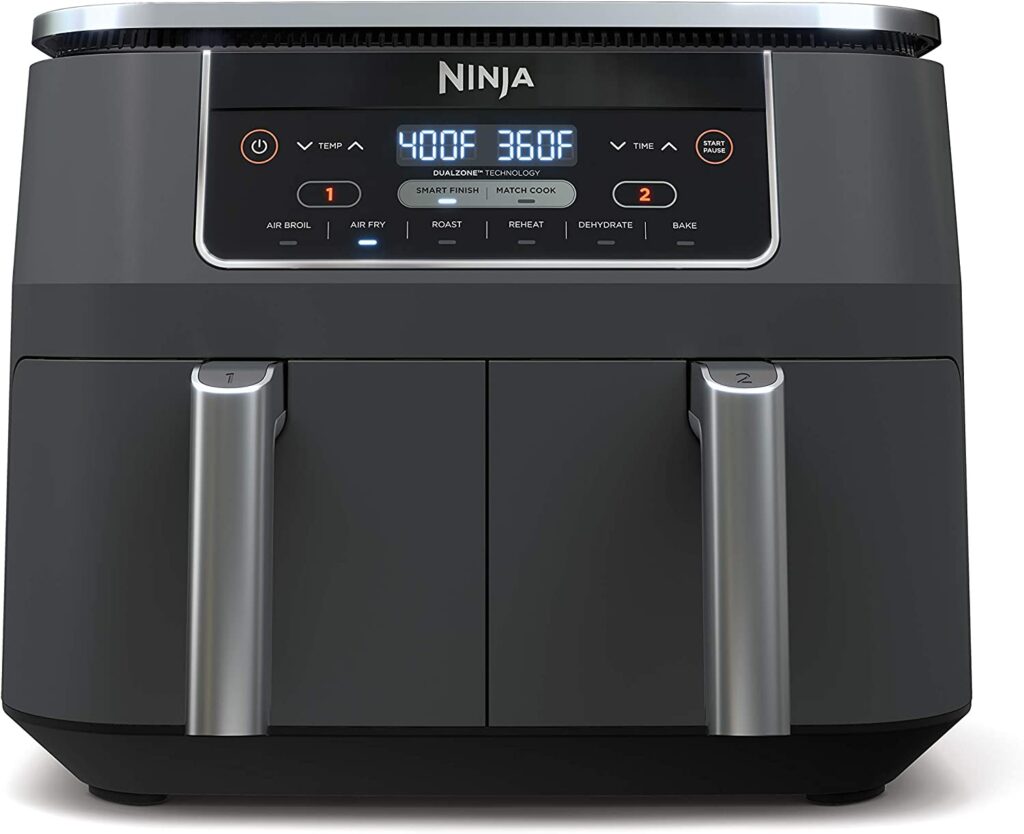
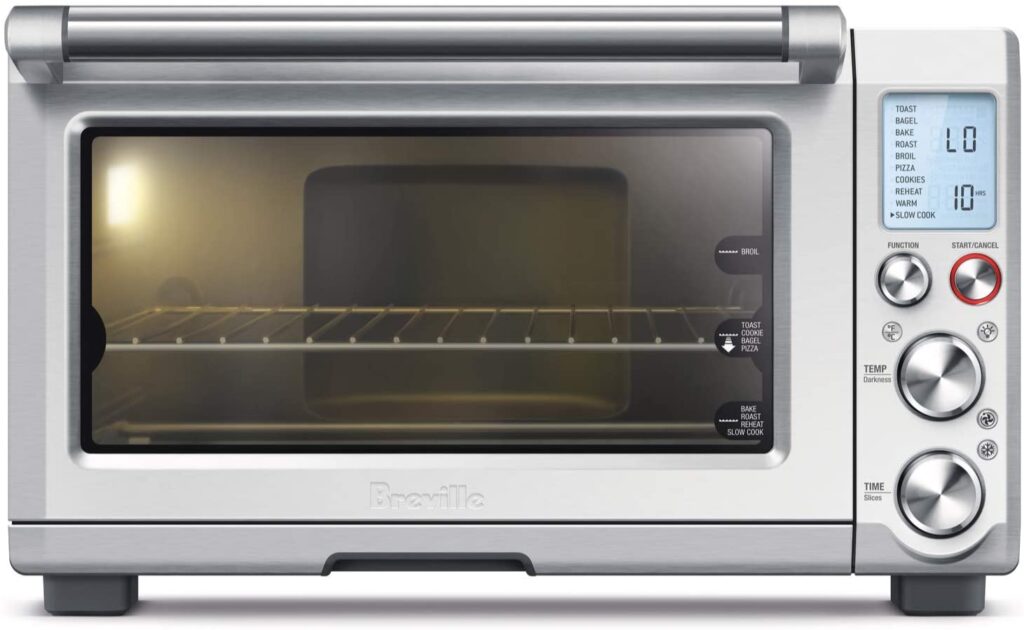
- Toaster oven: Ideal for small sandwiches or when you want a quick, crisp finish.
- Skillet or pan: Heat over low-medium flame, flipping occasionally, suitable for sandwiches with sturdy bread.
- Microwave (least preferred): Fastest but often results in soggy bread unless you microwave in short intervals and then toast briefly in a skillet.
Tips For Optimal Reheating Results
- Preheat your oven fully to ensure consistent heat.
- Use foil strategically: Wrap lightly for soft bread, leave exposed for crispiness.
- Check internal temperature with a thermometer to hit 165°F (74°C).
- Avoid overcrowding: Bake sandwiches individually or with space between them for even heating.
- Let it rest briefly after removing from oven to prevent hot spots and improve texture.
- Consider toppings: Add delicate greens or sauces after reheating rather than before, to avoid wilting or separation.
FAQs
What Is The Best Way To Reheat A Frozen Breakfast Sandwich In The Oven?
The best way is to preheat your oven to 350°F (175°C), wrap the sandwich in aluminum foil to prevent it from drying out, and bake for 20-25 minutes, or until heated through. Remove the foil for the last 5 minutes if you want the bread slightly crispy.
Do I Need To Thaw My Frozen Breakfast Sandwich Before Reheating In The Oven?
No, it is not necessary to thaw the sandwich. Reheating from frozen is safe and ensures the sandwich heats evenly without becoming soggy.
How Long Should I Bake A Frozen Breakfast Sandwich In The Oven?
Typically, a frozen breakfast sandwich should be baked for 20-25 minutes at 350°F (175°C). If the sandwich is particularly thick or contains dense ingredients like sausage patties, it may require 25-30 minutes.
Should I Wrap My Breakfast Sandwich In Foil When Reheating In The Oven?
Yes, wrapping the sandwich in aluminum foil helps retain moisture and prevents the bread from becoming too dry. You can remove the foil in the final few minutes to crisp the exterior.
Can I Use A Toaster Oven Instead Of A Conventional Oven?
Yes, a toaster oven works well. Set it to 350°F (175°C), wrap the sandwich in foil, and heat for 15-20 minutes, checking for doneness. Use caution, as smaller ovens may heat unevenly.
How Can I Make The Bread Crispy When Reheating A Frozen Breakfast Sandwich In The Oven?
To achieve crispy bread, remove the foil for the last 3-5 minutes of baking. You can also preheat the oven on a baking sheet and place the sandwich directly on the sheet uncovered for the final few minutes.
Is It Safe To Reheat A Frozen Breakfast Sandwich In The Oven?
Yes, it is safe as long as the sandwich reaches an internal temperature of at least 165°F (74°C). Using a foil wrap and moderate oven temperature ensures even heating and food safety.
Can I Reheat Multiple Frozen Breakfast Sandwiches In The Oven At Once?
Yes, you can reheat multiple sandwiches at once. Space them evenly on a baking sheet so hot air can circulate, and increase the cooking time slightly if needed.
Should I Remove Any Packaging Before Reheating My Frozen Breakfast Sandwich?
Yes, remove any plastic or cardboard packaging. Only aluminum foil or oven-safe containers should be used for reheating in an oven.
Can I Add Extra Toppings Before Reheating A Frozen Breakfast Sandwich In The Oven?
Yes, you can add ingredients like extra cheese, vegetables, or sauces, but avoid adding anything that may release excess moisture, which could make the sandwich soggy. Add delicate toppings after reheating for best results.