
How To Reheat Frozen Enchiladas In Oven [FULL GUIDE]
Frozen enchiladas are a lifesaver for busy weeknights, meal prepping, or simply when you crave the comforting flavors of Mexican cuisine without the hassle of cooking from scratch. However, the key to enjoying frozen enchiladas lies in how you reheat them. Done improperly, the tortillas can become soggy, the cheese might dry out, or the filling can heat unevenly. Reheating them in the oven is widely considered the best method to preserve texture, flavor, and overall quality. In this guide, we’ll explore the ideal temperature and timing, step-by-step reheating instructions, potential pitfalls, and tips to ensure your enchiladas come out as delicious as when they were first made.
Contents
- 1 Best Temperature To Reheat Frozen Enchiladas In Oven
- 2 Best Cooking Time To Reheat Frozen Enchiladas In Oven
- 3 How To Reheat Frozen Enchiladas In Oven
- 4 When Not To Reheat Frozen Enchiladas In The Oven
- 5 Reheating Frozen Enchiladas More Than Once
- 6 What If I Use A Different Oven Temperature?
- 7 What If I Use A Different Oven Cook Time?
- 8 Best Ways To Reheat Frozen Enchiladas
- 9 Tips For Optimal Reheating Results
- 10 FAQs
- 10.1 What Is The Best Way To Reheat Frozen Enchiladas In The Oven?
- 10.2 Do I Need To Thaw Frozen Enchiladas Before Reheating Them?
- 10.3 How Long Should I Bake Frozen Enchiladas In The Oven?
- 10.4 Can I Reheat Frozen Enchiladas Without Foil?
- 10.5 How Do I Prevent The Enchiladas From Getting Soggy When Reheating?
- 10.6 Can I Reheat Frozen Enchiladas With Toppings Like Cheese And Sour Cream?
- 10.7 How Can I Reheat Frozen Enchiladas Faster In The Oven?
- 10.8 Can I Reheat Frozen Enchiladas In A Toaster Oven?
- 10.9 What Should I Do If My Frozen Enchiladas Are Dry After Reheating?
- 10.10 Is It Safe To Reheat Frozen Enchiladas More Than Once?
Best Temperature To Reheat Frozen Enchiladas In Oven
Temperature control is crucial when reheating frozen enchiladas. The oven should be preheated to 350°F (175°C). This temperature strikes a perfect balance between warming the filling thoroughly and preventing the tortillas from drying out or burning. Using a lower temperature, such as 300°F, may require significantly longer cooking times, which can dry out the enchiladas. Conversely, higher temperatures like 400°F can heat them quickly but risk scorching the cheese or creating overly crispy edges. Maintaining a consistent 350°F ensures even heating throughout, allowing the enchiladas’ layers-tortilla, sauce, cheese, and filling-to meld back together harmoniously.
Best Cooking Time To Reheat Frozen Enchiladas In Oven
The cooking time depends on whether your enchiladas are covered with foil or uncovered. For foil-covered enchiladas, 25-30 minutes is typically sufficient. This prevents the tortillas from drying out while allowing the filling to heat thoroughly. If you prefer uncovered enchiladas, the time extends slightly to around 30-40 minutes. At this stage, the cheese on top should be melted and slightly bubbly, with a golden-brown hue if desired. Always check the internal temperature, aiming for at least 165°F (74°C) to ensure safe consumption.
How To Reheat Frozen Enchiladas In Oven
- Preheat the oven to 350°F (175°C).
- Remove any packaging from the frozen enchiladas, such as plastic wrap or cardboard trays.
- Place the enchiladas in an oven-safe dish. If the dish is shallow, you might want to add a tablespoon of water or extra sauce to prevent dryness.
- Cover with aluminum foil, ensuring it’s tightly sealed to trap moisture.
- Bake for 25-30 minutes if covered, or 30-40 minutes if uncovered.
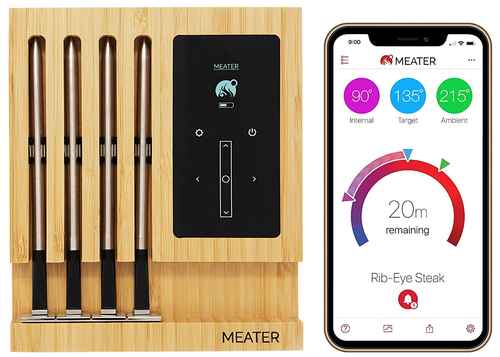
- Check for doneness by inserting a food thermometer into the center. It should read 165°F (74°C).
- Remove the foil for the last 5 minutes if you want a slightly crispy top.
- Let them rest for 3-5 minutes before serving, allowing the heat to distribute evenly.
When Not To Reheat Frozen Enchiladas In The Oven
While the oven is versatile, there are situations where reheating frozen enchiladas in the oven may not be ideal:
- When the enchiladas were previously reheated multiple times: The texture may degrade further in the oven.
- If they are partially thawed and already moist: Oven reheating may dry them out; a microwave or stovetop might be better.
- If you’re in a hurry: Oven reheating, even at optimal temperature, takes at least 25 minutes, which may be inconvenient.
In these cases, alternative reheating methods can preserve texture and flavor without the risk of overcooking.
Reheating Frozen Enchiladas More Than Once
It’s important to avoid reheating frozen enchiladas multiple times. Each reheating cycle increases the risk of bacterial growth and can compromise texture. Repeated heat exposure causes the tortillas to become soggy or tough and the filling to dry out. Ideally, only reheat what you plan to consume immediately, and store leftovers in single-serving portions to maintain quality and safety.
What If I Use A Different Oven Temperature?
Using a temperature higher than 350°F can speed up reheating, but it also increases the risk of uneven cooking. The top layer of cheese may brown too quickly while the inside remains cold. Conversely, lowering the temperature below 350°F extends the cooking time, which can lead to moisture loss and a drier texture. Consistency is key-sticking close to 350°F provides the best balance between thorough heating and maintaining the enchiladas’ structural integrity.
What If I Use A Different Oven Cook Time?
Adjusting the cooking time requires careful consideration of the enchiladas’ thickness and initial state (frozen or partially thawed). Shortening the time can result in cold, unevenly heated filling, while extending it unnecessarily risks drying out the tortillas and cheese. If you alter the time, it’s crucial to use a food thermometer to confirm an internal temperature of 165°F (74°C) for safety and optimal texture.
Best Ways To Reheat Frozen Enchiladas
The oven remains the gold standard, but a few alternatives can work depending on your needs:
- Microwave: Quick, but may make the tortillas soggy. Best for single servings.
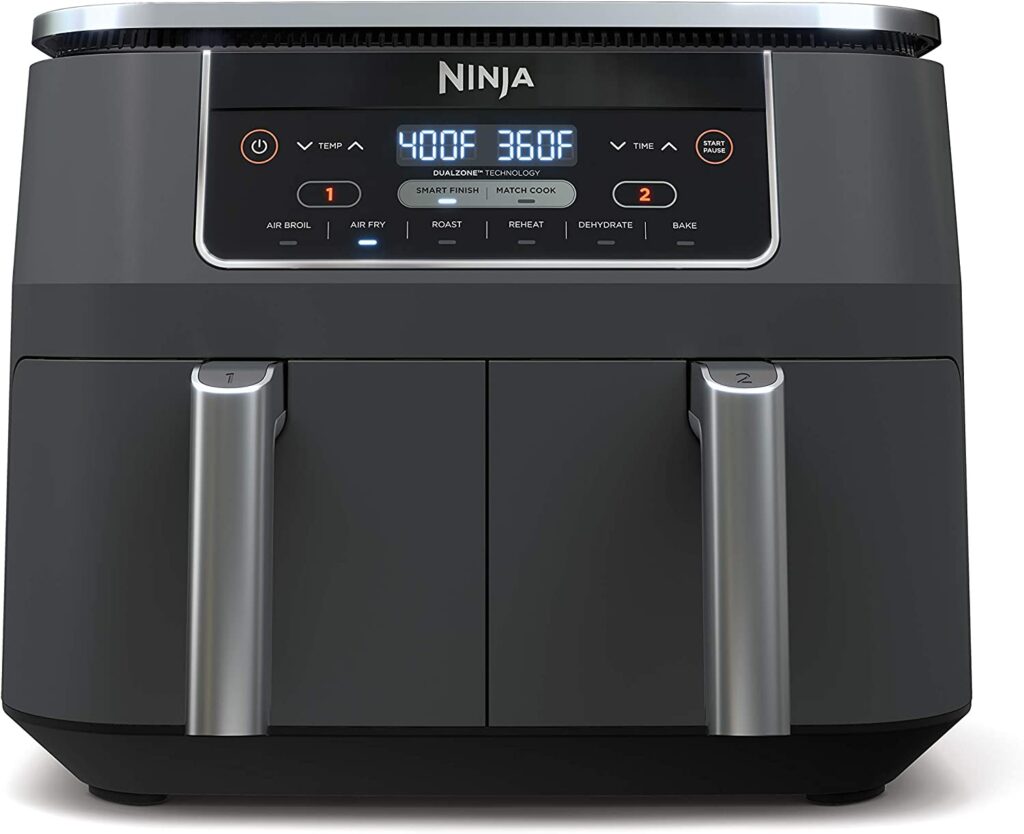
- Air fryer: Provides a crispy exterior without drying out the filling; ideal for small batches.
- Skillet: Pan-searing covered enchiladas with a lid can heat evenly while keeping moisture.
Among these, the oven is preferred for larger portions or when you want even heating and preserved flavor.
Tips For Optimal Reheating Results
- Cover with foil: Traps moisture and prevents the top from burning.
- Add sauce or a splash of water: Helps maintain a soft texture in frozen enchiladas.
- Check halfway through: Rotate the pan for even heating.
- Use a thermometer: Ensures safe internal temperature without overcooking.
- Finish uncovered: For a lightly browned, appetizing cheese topping.
FAQs
What Is The Best Way To Reheat Frozen Enchiladas In The Oven?
The best way to reheat frozen enchiladas in the oven is to preheat the oven to 375°F (190°C), cover the enchiladas with aluminum foil to prevent them from drying out, and bake for 25-30 minutes, or until heated through. You can remove the foil in the last 5 minutes to allow the top to become slightly crispy.
Do I Need To Thaw Frozen Enchiladas Before Reheating Them?
No, you do not need to thaw frozen enchiladas before reheating them in the oven. In fact, reheating from frozen helps maintain their texture. However, if you prefer, you can thaw them in the refrigerator overnight to reduce reheating time.
How Long Should I Bake Frozen Enchiladas In The Oven?
Frozen enchiladas should be baked in the oven for approximately 25-30 minutes at 375°F (190°C). If they are thawed, they will only need about 15-20 minutes. Always check the internal temperature to ensure they reach 165°F (74°C).
Can I Reheat Frozen Enchiladas Without Foil?
While you can reheat frozen enchiladas without foil, covering them with aluminum foil helps to retain moisture and prevent the tortillas from becoming too dry. If you prefer a crispier texture, you can remove the foil during the last 5 minutes of baking.
How Do I Prevent The Enchiladas From Getting Soggy When Reheating?
To prevent sogginess when reheating frozen enchiladas, make sure to cover them with foil while baking to lock in moisture. You can also try baking them on a rack to allow air circulation, which helps keep the tortillas crispy. Avoid over-saucing them before freezing.
Can I Reheat Frozen Enchiladas With Toppings Like Cheese And Sour Cream?
It is best to add fresh toppings like cheese, sour cream, or avocado after the enchiladas have been reheated. Baking them with these toppings could cause them to melt or burn, resulting in an unappetizing texture.
How Can I Reheat Frozen Enchiladas Faster In The Oven?
To reheat frozen enchiladas faster, you can increase the oven temperature to 400°F (200°C), but be sure to cover them with foil to avoid burning the top. This should reduce the reheating time to about 20-25 minutes, but always check the internal temperature to ensure they are fully heated.
Can I Reheat Frozen Enchiladas In A Toaster Oven?
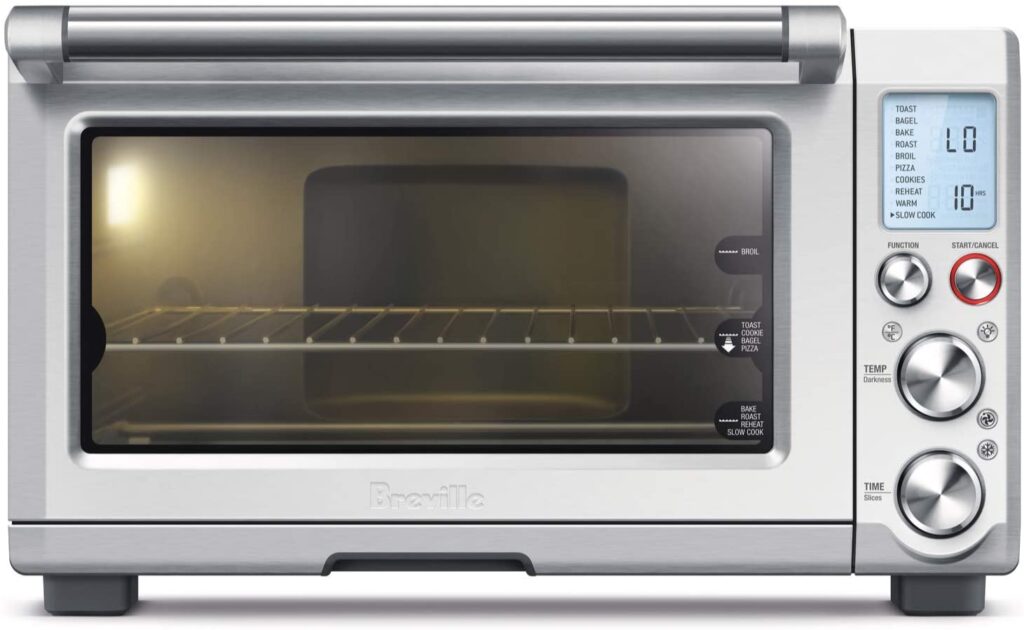
Yes, you can reheat frozen enchiladas in a toaster oven. Preheat the toaster oven to 375°F (190°C), place the enchiladas on a baking sheet, and cover with foil. Bake for 20-25 minutes, checking for the proper internal temperature of 165°F (74°C).
What Should I Do If My Frozen Enchiladas Are Dry After Reheating?
If your frozen enchiladas are dry after reheating, try adding a bit more sauce before reheating them or cover them with foil during baking to retain moisture. Additionally, reheating them with a splash of broth or extra cheese can help restore some moisture.
Is It Safe To Reheat Frozen Enchiladas More Than Once?
It is generally not recommended to reheat frozen enchiladas more than once, as it can affect both their safety and quality. Repeated reheating may lead to foodborne illness due to improper temperature control and result in a dry texture.