
How To Reheat Frozen Leftover Pizza In Oven [FULL GUIDE]
Frozen leftover pizza is one of life’s simple pleasures-quick, convenient, and endlessly satisfying. Yet, reheating it can be a delicate art. Heat it too little, and the crust remains soggy, the cheese barely melted; heat it too long, and you risk a dry, overcooked slice. Achieving the perfect balance of crispy crust, gooey cheese, and well-heated toppings requires understanding both temperature and timing. This guide delves deeply into the optimal strategies for reheating frozen pizza in the oven, helping you transform leftover slices into something almost as delightful as when they were first baked.
Contents
- 1 Best Temperature To Reheat Frozen Leftover Pizza In Oven
- 2 Best Cooking Time To Reheat Frozen Leftover Pizza In Oven
- 3 How To Reheat Frozen Leftover Pizza In Oven
- 4 When Not To Reheat Frozen Leftover Pizza In The Oven
- 5 Reheating Frozen Leftover Pizza More Than Once
- 6 What If I Use A Different Oven Temperature?
- 7 What If I Use A Different Oven Cook Time?
- 8 Best Ways To Reheat Frozen Leftover Pizza
- 9 Tips For Optimal Reheating Results
- 10 FAQs
- 10.1 Can I Reheat Frozen Leftover Pizza Directly In The Oven Without Thawing?
- 10.2 Should I Cover The Pizza With Foil When Reheating?
- 10.3 What Is The Ideal Oven Temperature To Reheat Frozen Pizza?
- 10.4 How Long Should Frozen Pizza Be Reheated In The Oven?
- 10.5 Can I Use A Baking Sheet Or Should I Place Pizza Directly On The Oven Rack?
- 10.6 Is It Safe To Reheat Frozen Pizza Multiple Times?
- 10.7 Should I Preheat The Oven Before Reheating Frozen Pizza?
- 10.8 Can I Add Extra Toppings Before Reheating Frozen Pizza?
- 10.9 How Do I Prevent The Crust From Becoming Too Hard When Reheating?
- 10.10 Can I Use Convection Mode To Reheat Frozen Pizza?
Best Temperature To Reheat Frozen Leftover Pizza In Oven
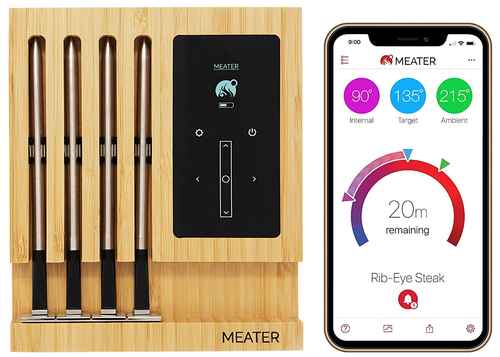
The ideal oven temperature for reheating frozen pizza is a key factor in restoring its original texture and flavor. Experts generally recommend preheating your oven to 375°F (190°C). This temperature is high enough to evenly heat the pizza through without burning the crust or drying out the toppings.
- Lower temperatures (300-350°F / 150-175°C): These can gradually heat the pizza but may result in a softer, less crispy crust. They’re better suited for very thick crusts or deep-dish pizza.
- Higher temperatures (400-450°F / 200-230°C): These can crisp the crust quickly but risk overcooking the cheese or toppings before the interior warms.
The sweet spot of 375°F ensures even heating, a crisp but tender crust, and melted cheese that doesn’t become greasy or rubbery.
Best Cooking Time To Reheat Frozen Leftover Pizza In Oven
Cooking time depends on both pizza thickness and oven efficiency. Generally, frozen pizza slices require 12-18 minutes at 375°F:
- Thin-crust pizza: 12-15 minutes is usually sufficient.
- Thicker crust or deep-dish pizza: 15-18 minutes helps heat the interior thoroughly without burning the edges.
Tip: Halfway through reheating, check the pizza. If the crust is browning too quickly, loosely cover the slice with aluminum foil to prevent overcooking.
How To Reheat Frozen Leftover Pizza In Oven
Reheating frozen pizza in the oven can be broken down into clear, reliable steps:
- Preheat the oven to 375°F (190°C).
- Prepare a baking tray: Line it with parchment paper or a light layer of cooking spray to prevent sticking. A preheated pizza stone can enhance crispiness.
- Place the frozen pizza slices on the tray, ensuring they’re evenly spaced for uniform heating.
- Bake for 12-18 minutes depending on the thickness of the crust.
- Check for doneness: The cheese should be fully melted and slightly bubbling, and the crust golden and crisp.
- Optional finishing touch: For extra crispiness, broil for 1-2 minutes while watching carefully.
- Remove and cool slightly before slicing and serving to avoid burns and allow the cheese to settle.
When Not To Reheat Frozen Leftover Pizza In The Oven
Although oven reheating is versatile, there are situations where it’s not ideal:
- Very thin, delicate crusts may overcook quickly in a traditional oven.
- Slices with heavy, watery toppings like fresh tomatoes or mushrooms may release excess moisture, making the crust soggy despite oven heat.
- Multiple reheats: If the pizza has already been reheated once, further baking may dry it out.
In these cases, alternative reheating methods like a skillet or microwave may produce better results.
Reheating Frozen Leftover Pizza More Than Once
Reheating pizza more than once is generally discouraged. Each reheating cycle:
- Reduces moisture in the crust, making it increasingly dry and tough.
- Causes cheese to become rubbery or greasy.
- Alters the flavor and texture of toppings.
If multiple reheats are unavoidable, consider slicing into smaller portions and using a skillet with a lid for gentle, even reheating.
What If I Use A Different Oven Temperature?
Changing the oven temperature affects texture and cook time:
- Lower temperatures (325-350°F / 160-175°C): Slower heating may prevent burning but can leave the crust soft or slightly underheated. You may need 20-25 minutes instead of 12-18.
- Higher temperatures (400-450°F / 200-230°C): Faster reheating can crisp the crust quickly, but the toppings may burn or dry out if not closely monitored. Reducing baking time to 8-12 minutes is recommended.
What If I Use A Different Oven Cook Time?
Cooking time adjustment is sometimes necessary:
- Shorter time (<12 minutes): Pizza may still be cold in the center and the cheese partially unmelted.
- Longer time (>18 minutes): The crust risks becoming overly hard, and cheese may brown excessively or separate into oil and solids.
Always pair cook time adjustments with temperature changes to avoid uneven reheating.
Best Ways To Reheat Frozen Leftover Pizza
While the oven is generally the best method for texture, other methods exist:
- Skillet (Stovetop): Heat a nonstick skillet over medium heat, cover, and cook 5-8 minutes. Crispy crust, melted cheese.
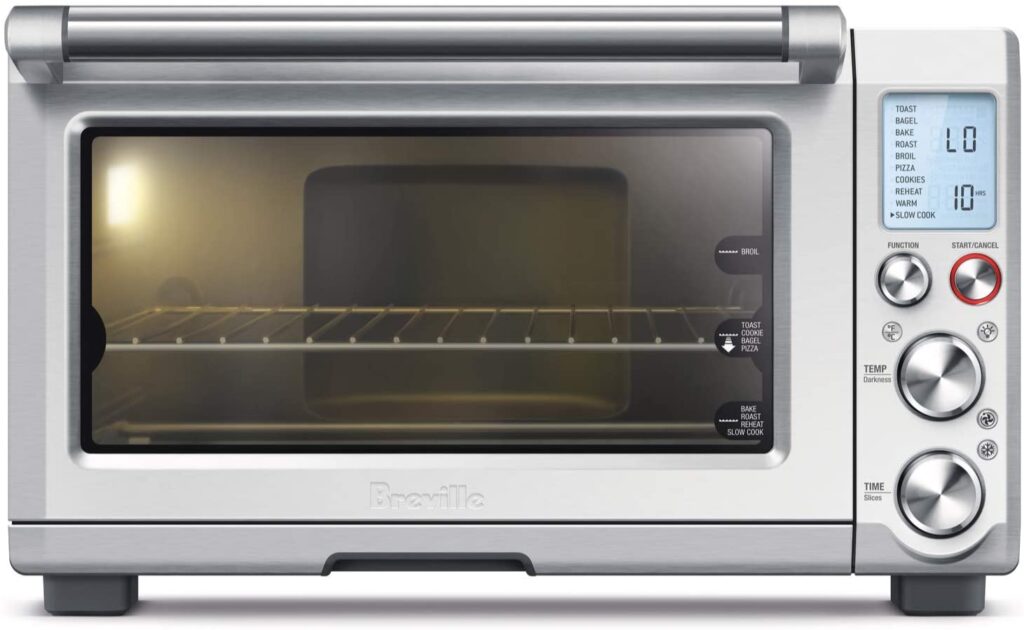
- Toaster Oven: Excellent for small batches; temperature and timing mirror conventional ovens.
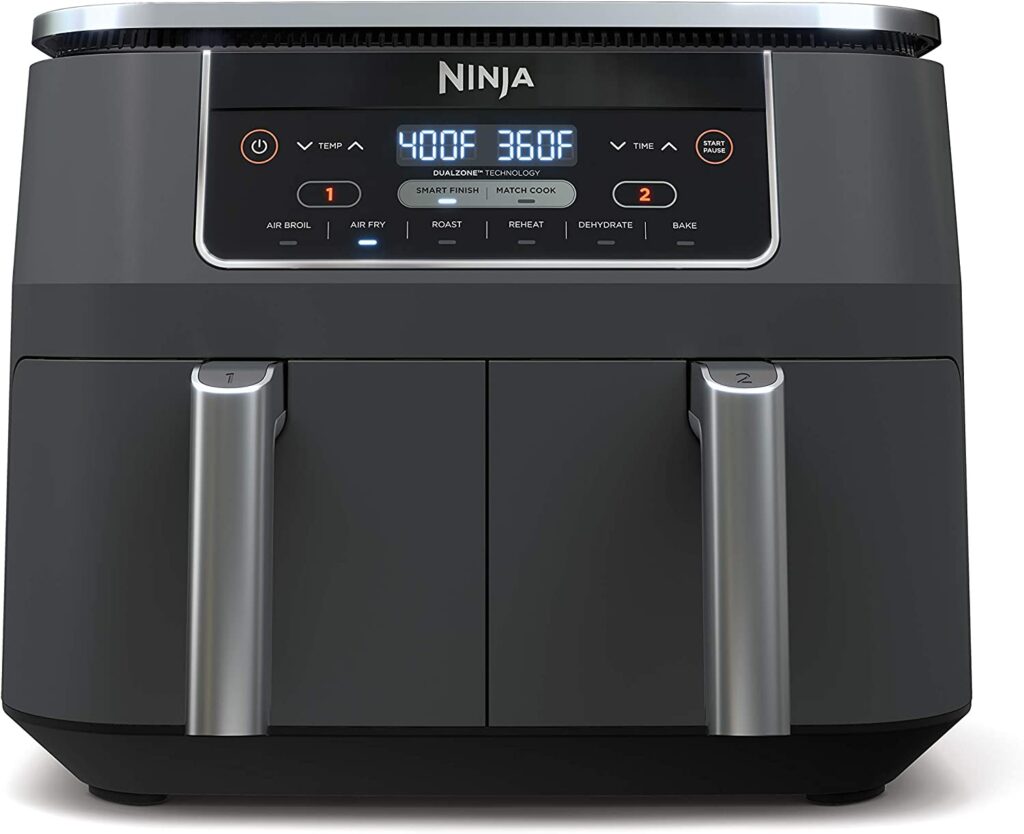
- Air Fryer: 350°F for 5-7 minutes produces a very crispy crust and evenly melted cheese.
Each method has pros and cons, but the oven method remains the most reliable for multiple slices at once.
Tips For Optimal Reheating Results
- Avoid stacking slices: Each slice needs direct heat for even reheating.
- Use a pizza stone or preheated baking sheet: Improves crust crispiness.
- Add a touch of water: Placing a small oven-safe dish of water in the oven can prevent toppings from drying out.
- Check halfway through cooking: Prevents burning and allows adjustments.
- Use foil cautiously: Tent foil over the pizza if edges brown too fast.
- Serve immediately: Pizza texture deteriorates as it cools.
FAQs
Can I Reheat Frozen Leftover Pizza Directly In The Oven Without Thawing?
Yes, frozen pizza can be reheated directly in the oven without thawing. Preheat the oven to 375°F (190°C) and place the pizza slices on a baking sheet. Bake for 12-18 minutes, or until the cheese is melted and the crust is heated through and crispy.
Should I Cover The Pizza With Foil When Reheating?
Covering pizza with foil is optional. Covering can help prevent the toppings from over-browning, but it may soften the crust. For a crispy crust, leave the pizza uncovered.
What Is The Ideal Oven Temperature To Reheat Frozen Pizza?
The ideal temperature for reheating frozen pizza is 375°F (190°C). This temperature ensures the pizza heats evenly without burning the crust or drying out the toppings.
How Long Should Frozen Pizza Be Reheated In The Oven?
Reheating typically takes 12-18 minutes, depending on slice thickness and oven performance. Check after 10-12 minutes and continue heating until the cheese is bubbly and the crust is crisp.
Can I Use A Baking Sheet Or Should I Place Pizza Directly On The Oven Rack?
You can use either method. A baking sheet prevents cheese from dripping, while placing pizza directly on the oven rack allows the bottom crust to become extra crispy.
Is It Safe To Reheat Frozen Pizza Multiple Times?
It is not recommended to repeatedly reheat frozen pizza, as repeated heating can increase the risk of bacterial growth and reduce taste and texture. Only reheat once after thawing or cooking.
Should I Preheat The Oven Before Reheating Frozen Pizza?
Yes, preheating ensures even cooking. Placing pizza in a cold oven may result in uneven heating, with a soggy crust or undercooked toppings.
Can I Add Extra Toppings Before Reheating Frozen Pizza?
Yes, you can add toppings such as extra cheese, vegetables, or meats. Adjust the reheating time slightly if the toppings are thick or have high water content, to avoid a soggy pizza.
How Do I Prevent The Crust From Becoming Too Hard When Reheating?
To prevent the crust from over-hardening, you can place a small oven-safe dish with water in the oven to add moisture. Alternatively, wrap the edges loosely in foil while leaving the center uncovered.
Can I Use Convection Mode To Reheat Frozen Pizza?
Yes, convection ovens circulate hot air, allowing pizza to reheat faster and more evenly. Reduce the temperature by 25°F (about 15°C) compared to conventional baking, and check the pizza a few minutes earlier than usual.