
How To Reheat Frozen Pancakes In Oven [FULL GUIDE]
Frozen pancakes are a convenient breakfast solution for busy mornings or a quick snack, but reheating them improperly can result in a rubbery texture, uneven warmth, or a disappointing taste. Unlike freshly made pancakes, frozen pancakes require careful handling to preserve their fluffy interior and golden exterior. Using an oven to reheat frozen pancakes is one of the best methods because it ensures consistent heat, retains moisture, and maintains that desirable soft-yet-slightly-crispy texture. In this guide, we will delve into the science of reheating frozen pancakes, including the ideal temperature, timing, techniques, and tips to get them tasting as close to fresh as possible.
Contents
- 1 Best Temperature To Reheat Frozen Pancakes In Oven
- 2 Best Cooking Time To Reheat Frozen Pancakes In Oven
- 3 How To Reheat Frozen Pancakes In Oven
- 4 When Not To Reheat Frozen Pancakes In The Oven
- 5 Reheating Frozen Pancakes More Than Once
- 6 What If I Use A Different Oven Temperature?
- 7 What If I Use A Different Oven Cook Time?
- 8 Best Ways To Reheat Frozen Pancakes
- 9 Tips For Optimal Reheating Results
- 10 FAQs
- 10.1 Can I Reheat Frozen Pancakes Directly In The Oven?
- 10.2 Do I Need To Thaw Frozen Pancakes Before Reheating In The Oven?
- 10.3 Should I Use Foil When Reheating Frozen Pancakes In The Oven?
- 10.4 What Oven Temperature Is Best For Reheating Frozen Pancakes?
- 10.5 How Long Does It Take To Reheat Frozen Pancakes In The Oven?
- 10.6 Can I Reheat Frozen Pancakes On A Baking Rack In The Oven?
- 10.7 Is It Better To Use A Convection Or Conventional Oven For Reheating Frozen Pancakes?
- 10.8 Can I Add Butter Or Syrup Before Reheating Frozen Pancakes In The Oven?
- 10.9 How Can I Keep Reheated Pancakes Soft And Fluffy?
- 10.10 Can I Reheat Frozen Pancakes In The Oven In Bulk?
Best Temperature To Reheat Frozen Pancakes In Oven
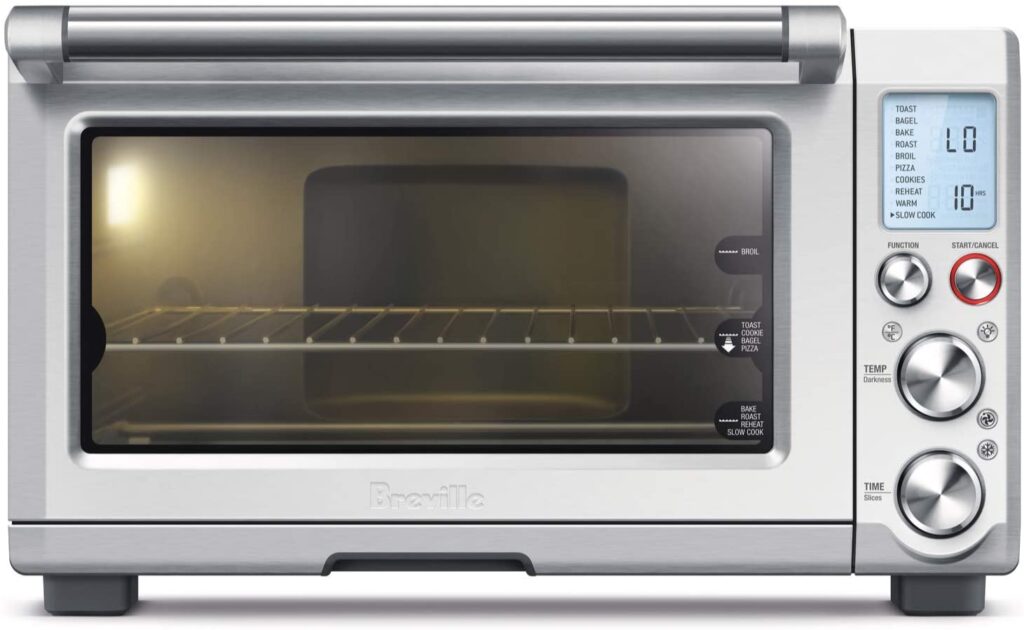
The temperature at which you reheat frozen pancakes is critical for achieving a balance between thorough warming and maintaining texture. The generally recommended temperature is 350°F (175°C). This moderate heat allows the pancakes to warm evenly from the outside in without drying out the surface.
Reheating at a lower temperature, such as 300°F (150°C), may take longer and could result in a slightly soggy texture because moisture doesn’t evaporate efficiently. On the other hand, using a higher temperature, like 400°F (205°C), risks overcooking the outer layer before the inside is heated, leaving you with crispy edges and a cold center.
Best Cooking Time To Reheat Frozen Pancakes In Oven
Timing is just as important as temperature. Frozen pancakes typically need 10-15 minutes in the oven to heat thoroughly. This time range ensures the heat penetrates evenly, warming each pancake completely. For thinner pancakes, closer to 8-10 minutes may suffice, while thicker or multi-layered pancakes may require up to 15 minutes.
It’s essential to check the pancakes halfway through the heating process to ensure they are warming evenly and adjust the timing if necessary. Covering the pancakes with foil for the first half of reheating can prevent excessive browning while still allowing even heating.
How To Reheat Frozen Pancakes In Oven
Reheating frozen pancakes in the oven involves a few simple but crucial steps:
- Preheat the Oven – Set your oven to 350°F (175°C) to ensure it reaches an even, stable temperature.
- Arrange Pancakes – Place the frozen pancakes in a single layer on a baking sheet. Avoid stacking them to allow uniform heat distribution.
- Cover with Foil (Optional) – Lightly covering the pancakes with aluminum foil helps retain moisture and prevents the edges from becoming too crisp.
- Bake – Insert the baking sheet into the preheated oven. Reheat for 10-15 minutes, checking halfway through.
- Check for Warmth – Use a fork or spatula to lift a pancake and feel if it’s heated through. The pancake should be warm all the way to the center.
- Serve Immediately – Serve hot with your preferred toppings for the best experience.
When Not To Reheat Frozen Pancakes In The Oven
While the oven is excellent for reheating frozen pancakes, there are situations where it may not be ideal:
- Microwave-only pancakes: Some thin, delicate pancakes may dry out in the oven.
- Limited time: If you need pancakes reheated quickly, the oven’s longer heating time may be inconvenient.
- Previously overcooked pancakes: If the pancakes were already browned too much before freezing, reheating could make them too dry or hard.
In these scenarios, alternative methods such as microwaving with a damp paper towel or pan-heating may yield better results.
Reheating Frozen Pancakes More Than Once
Reheating pancakes multiple times is generally not recommended. Each reheating cycle causes moisture loss, making pancakes drier and tougher. Additionally, repeated heating increases the risk of uneven temperature distribution, which could leave cold spots that may harbor bacteria. If you anticipate needing multiple servings over several days, it’s better to reheat only the portion you plan to eat immediately and keep the rest frozen until needed.
What If I Use A Different Oven Temperature?
Using a temperature different from the recommended 350°F (175°C) will alter the results:
- Lower temperature (300°F / 150°C): Pancakes will warm slowly and retain more moisture, but may become soggy if heated too long.
- Higher temperature (400°F / 205°C): Pancakes will heat faster and develop a crisp exterior but risk drying out or uneven cooking.
If you choose a different temperature, adjust the cooking time accordingly and monitor closely.
What If I Use A Different Oven Cook Time?
Adjusting the cook time impacts the texture and temperature:
- Shorter time: Pancakes may be warm on the outside but cold in the center.
- Longer time: Pancakes can dry out or become overly browned.
Always test a single pancake before committing the full batch to the oven for a modified time.
Best Ways To Reheat Frozen Pancakes
Besides the oven, there are several methods to reheat frozen pancakes, each with pros and cons:
- Microwave: Fastest method, but can make pancakes rubbery unless covered with a damp paper towel.
- Toaster: Ideal for single pancakes; gives crisp edges but may not heat the center evenly.
- Skillet or Pan: Medium heat with a light butter or oil coating can recreate the fresh-off-the-griddle taste.
The oven method, however, consistently provides even heating and retained fluffiness, making it the top choice for larger batches.
Tips For Optimal Reheating Results
To ensure your reheated pancakes taste as close to fresh as possible:
- Do not stack pancakes – Heat in a single layer for even warmth.
- Use foil lightly – Covers prevent dryness but avoid tight wrapping, which traps steam.
- Monitor closely – Check halfway to prevent overcooking.
- Serve immediately – Pancakes are best eaten hot; reheated pancakes can cool quickly.
- Add a little moisture if needed – A light brush of butter or water can help prevent dryness during reheating.
FAQs
Can I Reheat Frozen Pancakes Directly In The Oven?
Yes, frozen pancakes can be reheated directly in the oven without thawing. Preheat the oven to 350°F (175°C), place the pancakes on a baking sheet in a single layer, and cover them loosely with foil to prevent drying. Heat for 10-15 minutes or until warmed through.
Do I Need To Thaw Frozen Pancakes Before Reheating In The Oven?
Thawing is optional. You can reheat them straight from the freezer. Thawing may slightly reduce reheating time, but frozen pancakes will reheat evenly if covered with foil and heated at a moderate temperature.
Should I Use Foil When Reheating Frozen Pancakes In The Oven?
Yes, covering the pancakes loosely with aluminum foil helps retain moisture and prevents them from becoming dry or overcooked while the inside heats evenly.
What Oven Temperature Is Best For Reheating Frozen Pancakes?
A moderate temperature of 350°F (175°C) is ideal. This allows the pancakes to heat evenly without burning the edges or drying out the center.
How Long Does It Take To Reheat Frozen Pancakes In The Oven?
Typically, it takes 10-15 minutes at 350°F (175°C). Larger or thicker pancakes may require a few extra minutes, while smaller pancakes may reheat faster. Check for warmth in the center before serving.
Can I Reheat Frozen Pancakes On A Baking Rack In The Oven?
Yes, placing pancakes on a wire rack over a baking sheet allows air circulation, which can help maintain a slightly crisp exterior. Cover with foil if you want to prevent them from drying out.
Is It Better To Use A Convection Or Conventional Oven For Reheating Frozen Pancakes?
Both work well, but a convection oven can reheat pancakes more evenly and slightly faster due to circulating hot air. Reduce the temperature by about 25°F if using convection to prevent over-browning.
Can I Add Butter Or Syrup Before Reheating Frozen Pancakes In The Oven?
It’s best to reheat pancakes plain and add butter, syrup, or other toppings after reheating. Adding them before may cause uneven cooking, burning, or sogginess.
How Can I Keep Reheated Pancakes Soft And Fluffy?
Cover pancakes loosely with foil while reheating and avoid high temperatures. Optionally, place a small oven-safe dish of water in the oven to create gentle steam, which can help maintain softness.
Can I Reheat Frozen Pancakes In The Oven In Bulk?
Yes, you can reheat multiple pancakes at once. Arrange them in a single layer on a baking sheet, cover loosely with foil, and increase the heating time slightly to ensure all pancakes are evenly warmed.