
How To Reheat Frozen Quiche In Oven [FULL GUIDE]
Quiche, with its delicate custard filling, flaky crust, and savory additions like vegetables, meats, or cheeses, is a culinary delight that deserves to be enjoyed at its best. When stored in the freezer, quiche can retain its flavor and texture for several weeks, but the key to truly savoring it lies in the reheating process. Reheating frozen quiche in the oven ensures that the crust becomes crisp again, the filling heats evenly, and the overall dish retains its original flavor and creaminess. Unlike microwaving, which can leave the crust soggy and the filling rubbery, the oven method provides precision, control, and consistent results, making it the preferred choice for quiche enthusiasts.
Contents
- 1 Best Temperature To Reheat Frozen Quiche In Oven
- 2 Best Cooking Time To Reheat Frozen Quiche In Oven
- 3 How To Reheat Frozen Quiche In Oven
- 4 When Not To Reheat Frozen Quiche In The Oven
- 5 Reheating Frozen Quiche More Than Once
- 6 What If I Use A Different Oven Temperature?
- 7 What If I Use A Different Oven Cook Time?
- 8 Best Ways To Reheat Frozen Quiche
- 9 Tips For Optimal Reheating Results
- 10 FAQs
- 10.1 Can I Reheat Frozen Quiche Directly From The Freezer?
- 10.2 What Oven Temperature Is Best For Reheating Frozen Quiche?
- 10.3 How Long Does It Take To Reheat A Frozen Quiche In The Oven?
- 10.4 Should I Cover The Quiche With Foil When Reheating?
- 10.5 How Do I Check If The Quiche Is Fully Reheated?
- 10.6 Can I Reheat A Quiche In A Convection Oven?
- 10.7 Is It Better To Thaw The Quiche Before Reheating?
- 10.8 How Do I Prevent The Crust From Getting Soggy?
- 10.9 Can I Reheat A Quiche Multiple Times?
- 10.10 Can I Use A Toaster Oven To Reheat Frozen Quiche?
Best Temperature To Reheat Frozen Quiche In Oven
The ideal oven temperature to reheat frozen quiche strikes a balance between warming the filling thoroughly and preventing the crust from burning or drying out. Preheating your oven to 350°F (175°C) is generally optimal. At this moderate temperature, heat penetrates the quiche evenly, allowing the custard filling to become creamy and smooth while the crust regains its flaky, golden texture. Higher temperatures, such as 400°F (200°C), can cause the edges of the crust to brown too quickly, risking burnt tips before the center warms properly. Conversely, lower temperatures may extend the reheating process unnecessarily, which can dry out the quiche. Maintaining 350°F ensures an even, gentle reheating that preserves both taste and texture.
Best Cooking Time To Reheat Frozen Quiche In Oven
The reheating time for frozen quiche varies depending on its size, thickness, and whether it is covered. Typically, a standard 9-inch quiche will require about 25-35 minutes in the oven. To ensure thorough heating, it’s recommended to check the internal temperature with a food thermometer, aiming for 165°F (74°C) at the center. Covering the quiche with foil during the first 20 minutes can prevent the crust from over-browning while allowing the filling to warm slowly. Removing the foil for the last 5-10 minutes helps crisp up the top, giving that satisfying golden finish. Smaller slices or individual quiche portions may need slightly less time, around 15-20 minutes, while extra-large quiches may require up to 40 minutes.
How To Reheat Frozen Quiche In Oven
- Preheat the oven: Set your oven to 350°F (175°C).
- Prepare the quiche: Remove any packaging and wrap the quiche loosely in aluminum foil to prevent excessive browning.
- Place on baking sheet: Position the quiche on a baking sheet to catch any drips and ensure even heat circulation.
- Bake: Heat for 25-35 minutes, depending on size.
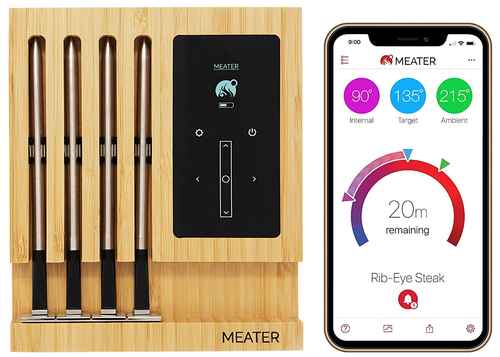
- Check temperature: Use a food thermometer to confirm the center has reached 165°F (74°C).
- Crisp the crust: Optional-remove the foil for the last 5-10 minutes for a golden-brown crust.
- Rest: Let the quiche sit for 2-3 minutes before slicing to allow the filling to set slightly, preventing spillage.
When Not To Reheat Frozen Quiche In The Oven
Reheating frozen quiche may not be ideal in certain situations:
- If it has already been reheated once: Reheating multiple times can dry out the custard and compromise texture.
- If the quiche has thawed improperly: Avoid reheating if the quiche was left at room temperature for more than 2 hours, as this increases bacterial risk.
- If the crust is overly thin or fragile: Extremely delicate crusts may crack or crumble in the oven; microwaving briefly or using a lower temperature might be safer in these cases.
Reheating Frozen Quiche More Than Once
Repeated reheating of quiche is not recommended. Each reheating cycle causes the custard to lose moisture, resulting in a dry, rubbery texture. Additionally, repeated exposure to heat can alter the flavor of ingredients like cheese or cooked meats. If leftovers remain after the first reheating, it’s better to consume them cold or gently warm only individual slices for immediate consumption.
What If I Use A Different Oven Temperature?
Using a higher temperature (375-400°F / 190-200°C) may speed up the process, but it risks uneven heating: the crust may over-brown while the center remains cold. Using a lower temperature (300-325°F / 150-165°C) may preserve moisture but extend reheating time, which could dry out the quiche if left too long. Therefore, sticking close to 350°F balances speed, texture, and safety.
What If I Use A Different Oven Cook Time?
Shortening the cook time may result in an underheated center, leaving the custard cold and potentially unsafe to eat. Extending the time beyond what is necessary can dry out the filling and make the crust tough. Always rely on the combination of time, temperature, and internal temperature checks to ensure optimal results.
Best Ways To Reheat Frozen Quiche
While the oven method is superior, there are a few techniques to enhance reheating:
- Foil-wrapped reheating: Prevents over-browning while allowing even heat distribution.
- Half-covering method: Foil over the edges only, exposing the top for browning while protecting the crust.
- Baking sheet with rack: Elevates the quiche slightly, allowing heat to circulate around the crust for even crisping.
Tips For Optimal Reheating Results
- Check the internal temperature: Aim for 165°F (74°C) for food safety.
- Avoid microwaving first: Microwaving can make the crust soggy; use it only for emergencies and in short bursts.
- Let it rest: Allow the quiche to cool for a few minutes after removing from the oven to firm up the custard.
- Use room temperature ingredients: If possible, remove the quiche from the freezer for 10-15 minutes before baking to slightly reduce the reheating time.
- Avoid overloading the oven: Give the quiche space for even heat circulation.
FAQs
Can I Reheat Frozen Quiche Directly From The Freezer?
Yes, frozen quiche can be reheated directly from the freezer without thawing, but it will require a longer baking time to ensure it heats evenly and reaches a safe internal temperature.
What Oven Temperature Is Best For Reheating Frozen Quiche?
Preheat your oven to 350°F (175°C) for best results. This temperature allows the quiche to heat through evenly without burning the crust.
How Long Does It Take To Reheat A Frozen Quiche In The Oven?
Reheating typically takes 25-45 minutes depending on the size and thickness of the quiche. A small quiche may take closer to 25 minutes, while a larger or deep-dish quiche may need up to 45 minutes.
Should I Cover The Quiche With Foil When Reheating?
Yes, loosely covering the quiche with aluminum foil helps prevent the crust from over-browning while the inside heats completely.
How Do I Check If The Quiche Is Fully Reheated?
Insert a knife or a thermometer into the center. The internal temperature should reach 165°F (74°C) to ensure it is safe to eat and evenly heated.
Can I Reheat A Quiche In A Convection Oven?
Yes, a convection oven works well and may reduce reheating time slightly. Lower the temperature by 25°F (about 15°C) from the standard 350°F to prevent over-browning.
Is It Better To Thaw The Quiche Before Reheating?
Thawing in the refrigerator overnight can reduce reheating time and help the quiche heat more evenly, but it is not strictly necessary.
How Do I Prevent The Crust From Getting Soggy?
Place the quiche on a baking sheet rather than directly on the oven rack, and avoid excessive covering. This allows air to circulate and keeps the crust crisp.
Can I Reheat A Quiche Multiple Times?
It is not recommended to reheat quiche more than once as repeated heating can compromise texture, flavor, and food safety.
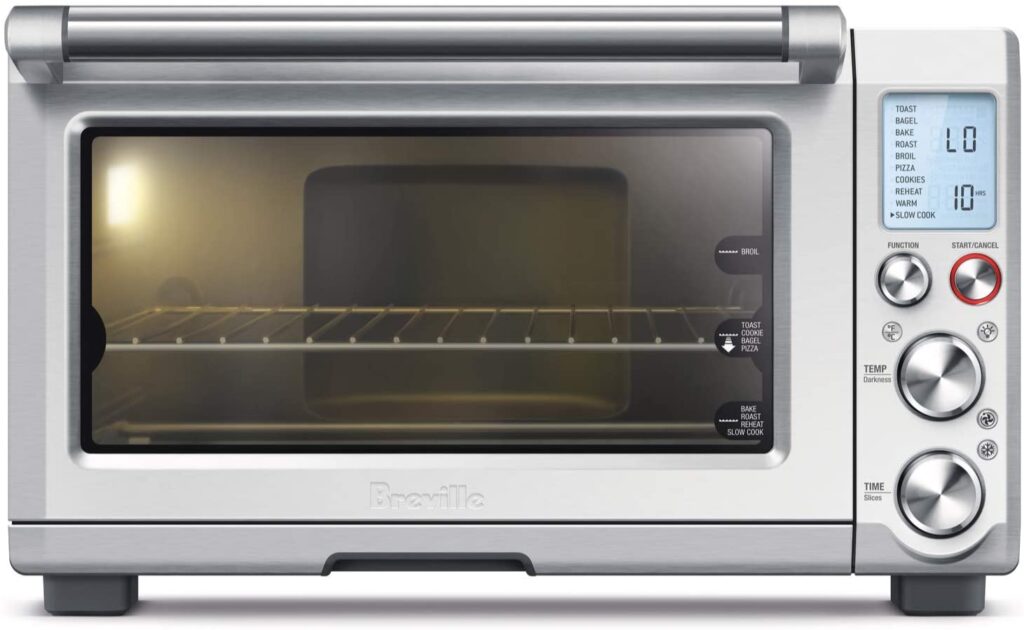
Can I Use A Toaster Oven To Reheat Frozen Quiche?
Yes, a toaster oven can be used. Set it to 350°F (175°C) and follow the same guidelines as a conventional oven, adjusting time based on the quiche’s size and thickness.