
How To Reheat Knish In Oven [FULL GUIDE]
Knish, a beloved Eastern European pastry, has earned a permanent spot in Jewish cuisine and beyond. Traditionally filled with potato, kasha, or meat, and wrapped in tender, flaky dough, knish is a comforting snack or meal. Yet, like many baked goods, knish is best enjoyed fresh. When stored and later reheated, its texture and flavor can suffer if done improperly. Reheating in an oven, however, preserves the delicate balance between a slightly crisp exterior and a soft, flavorful interior. Understanding the nuances of oven reheating-temperature, timing, and technique-can transform a leftover knish into an experience reminiscent of freshly baked perfection.
Contents
- 1 Best Temperature To Reheat Knish In Oven
- 2 Best Cooking Time To Reheat Knish In Oven
- 3 How To Reheat Knish In Oven
- 4 When Not To Reheat Knish In The Oven
- 5 Reheating Knish More Than Once
- 6 What If I Use A Different Oven Temperature?
- 7 What If I Use A Different Oven Cook Time?
- 8 Best Ways To Reheat Knish
- 9 Tips For Optimal Reheating Results
- 10 FAQs
- 10.1 What Is The Best Temperature To Reheat A Knish In The Oven?
- 10.2 Should I Wrap The Knish In Foil When Reheating?
- 10.3 How Long Does It Take To Reheat A Knish In The Oven?
- 10.4 Do I Need To Preheat The Oven Before Reheating A Knish?
- 10.5 Can I Reheat Multiple Knishes At Once?
- 10.6 Should I Add Moisture When Reheating A Knish?
- 10.7 Is It Better To Reheat A Frozen Or Refrigerated Knish?
- 10.8 Can I Reheat A Knish Directly On The Oven Rack?
- 10.9 How Can I Tell If My Knish Is Fully Reheated?
- 10.10 Can I Reheat A Knish In The Oven Without Losing Its Texture?
Best Temperature To Reheat Knish In Oven
Achieving the ideal temperature is crucial for reviving a knish without drying it out or burning the crust. Generally, the recommended range is 325°F to 350°F (160°C to 175°C). Temperatures lower than 325°F may prolong reheating, leaving the dough chewy and underdone, while temperatures above 350°F risk crisping the exterior too quickly, leaving the interior cold or dry.
At 325°F, the heat penetrates gradually, warming the filling thoroughly and allowing the pastry to maintain a tender interior. At 350°F, the exterior crisps slightly faster, creating a pleasing contrast between the flaky shell and the soft filling, but careful attention is needed to prevent over-browning. Maintaining this mid-range temperature ensures a consistent result across both smaller hand-held knishes and larger dinner-sized varieties.
Best Cooking Time To Reheat Knish In Oven
Cooking time depends on knish size and filling type, but the general guideline is 12-20 minutes. A standard-sized potato knish usually requires 15-18 minutes at 350°F, whereas smaller bite-sized knishes may be ready in as little as 12 minutes. Larger or denser knishes, especially meat-filled varieties, might need closer to 20 minutes.
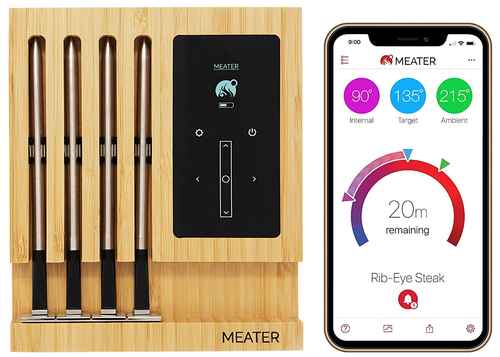
It’s important to avoid simply following the clock blindly. Oven temperatures can fluctuate slightly, and factors like dough thickness or whether the knish is frozen versus refrigerated will affect reheating time. A visual check is crucial: the pastry should be lightly golden brown and the filling should be piping hot. You can also use a thermometer to ensure an internal temperature of 165°F (74°C) for food safety.
How To Reheat Knish In Oven
- Preheat the Oven: Begin by preheating your oven to 325-350°F (160-175°C). Preheating ensures even heat distribution and prevents uneven cooking.
- Prepare the Knish: Remove the knish from its packaging. If frozen, allow it to thaw slightly for best results-though it can be reheated directly from frozen, thawing helps maintain an even texture. Lightly brush the pastry with a thin layer of oil or butter for added moisture and shine.
- Use Proper Bakeware: Place the knish on a baking sheet lined with parchment paper or a lightly greased tray. Avoid wrapping in foil at first; the goal is to maintain a slightly crisp exterior.
- Bake: Place the tray in the center rack of the oven. Reheat for the recommended time, checking midway. Rotate the tray if necessary to ensure even browning.
- Optional Finishing Touch: For an extra crispy crust, you can briefly broil the knish for 1-2 minutes at the end of reheating-but watch closely to avoid burning.
When Not To Reheat Knish In The Oven
Reheating in the oven is not always ideal. Avoid oven reheating if:
- The knish has already been reheated multiple times, as repeated heat exposure can overly dry the pastry.
- The pastry is extremely thin or delicate; high oven temperatures may cause crumbling or burning.
- You are in a hurry and cannot monitor the reheating process; uneven heating could result in cold spots or a burnt crust.
In these cases, alternative methods such as stovetop steaming or a microwave with careful timing may better preserve texture.
Reheating Knish More Than Once
Knish, like most baked goods, suffers from repeated reheating. Each reheating cycle removes moisture, toughens dough, and can make the filling grainy or dry. If reheating more than once, consider:
- Wrapping in foil to trap steam, preventing the crust from becoming excessively hard.
- Reheating at a slightly lower temperature (around 300°F) for longer, gentle warming.
Ideally, knish should be reheated only once for optimal taste and texture.
What If I Use A Different Oven Temperature?
Deviating from the recommended 325-350°F can have notable effects:
- Lower Temperature (<325°F): Slower heat penetration; the exterior may remain soft rather than crisp, and reheating time increases.
- Higher Temperature (>350°F): Rapid crust browning may occur before the interior is fully heated, risking dry or unevenly warmed filling.
Adjusting the temperature requires balancing cook time and monitoring closely to avoid these issues.
What If I Use A Different Oven Cook Time?
Timing directly interacts with temperature. Overestimating cook time leads to:
- Dry, tough dough
- Overly dark or burnt exterior
Underestimating cook time results in:
- Cold or lukewarm filling
- Undercooked dough, especially near the center
Always combine time adjustments with visual checks and, for safety, internal temperature measurement.
Best Ways To Reheat Knish
Besides oven reheating, there are several techniques:
- Microwave: Quick but can yield a softer, sometimes soggy crust. Best for small portions.
- Skillet or Pan: Medium heat with a lid can gently reheat while maintaining a slightly crisp base.
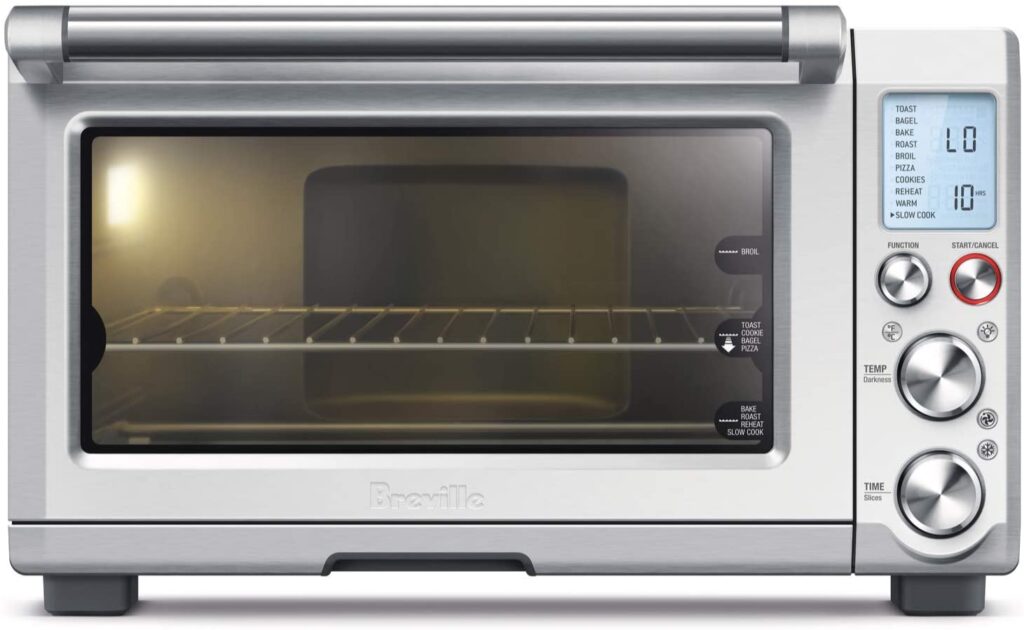
- Toaster Oven: Excellent for individual knishes; mimics conventional oven results on a smaller scale.
Each method has trade-offs between speed and texture quality. Oven reheating remains the gold standard for overall balance.
Tips For Optimal Reheating Results
- Check for even heating: Rotate the baking tray halfway through.
- Moisture retention: A light brush of butter or oil can restore richness and prevent drying.
- Avoid wrapping in foil too early: Foil traps steam, which can soften the crust-wrap only after reheating if needed.
- Internal temperature: Aim for 165°F to ensure safe consumption without overcooking.
- Serve immediately: Knish tastes best hot; extended cooling can harden the exterior.
FAQs
What Is The Best Temperature To Reheat A Knish In The Oven?
The ideal temperature for reheating a knish in the oven is 350°F (175°C). This allows the pastry to heat through evenly without burning the outer crust.
Should I Wrap The Knish In Foil When Reheating?
Wrapping the knish in aluminum foil helps prevent the exterior from drying out or becoming too crispy. If you prefer a crispier crust, you can reheat it unwrapped for the last 5 minutes.
How Long Does It Take To Reheat A Knish In The Oven?
Reheating a knish typically takes 15 to 20 minutes at 350°F (175°C). Thicker or larger knishes may require an additional 5 to 10 minutes to heat thoroughly.
Do I Need To Preheat The Oven Before Reheating A Knish?
Yes, preheating the oven ensures even reheating and prevents the knish from becoming soggy or unevenly heated. Preheat to 350°F (175°C) before placing the knish inside.
Can I Reheat Multiple Knishes At Once?
Yes, you can reheat multiple knishes, but make sure they are spaced apart on the baking sheet to allow for proper air circulation. This ensures even heating and maintains the crust’s texture.
Should I Add Moisture When Reheating A Knish?
Generally, adding moisture is not necessary. However, if the knish feels particularly dry, you can lightly brush the surface with a small amount of water or melted butter to help maintain softness.
Is It Better To Reheat A Frozen Or Refrigerated Knish?
A refrigerated knish reheats more evenly. If reheating a frozen knish, allow it to thaw in the refrigerator for a few hours or overnight, then follow the same reheating instructions for best results.
Can I Reheat A Knish Directly On The Oven Rack?
It is recommended to place the knish on a baking sheet rather than directly on the oven rack to avoid filling spillage and ensure the bottom does not burn.
How Can I Tell If My Knish Is Fully Reheated?
A fully reheated knish should be hot in the center, and the crust should feel crisp or slightly firm. You can insert a knife into the center to check that it is heated through.
Can I Reheat A Knish In The Oven Without Losing Its Texture?
Yes, by reheating at 350°F (175°C) and optionally covering with foil for part of the time, you can maintain the soft filling and flaky or crisp outer layer. Avoid overheating, which can dry out the pastry.