
How To Reheat Lasagna In Oven [FULL GUIDE]
Lasagna, with its rich layers of pasta, savory meat, creamy béchamel, tangy tomato sauce, and gooey melted cheese, is a culinary masterpiece that deserves careful attention when reheated. Unlike some simpler leftovers, lasagna is a complex dish with varying textures and moisture levels, making proper reheating critical to preserving its flavor, creaminess, and structural integrity. Whether you’re reheating a single serving or an entire casserole, using the oven rather than a microwave ensures even heating, prevents soggy noodles, and allows the cheese to regain its golden, bubbly charm. This guide explores the precise methods, temperatures, and techniques to bring leftover lasagna back to life while maintaining the qualities that make it so irresistible.
Contents
- 1 Best Temperature To Reheat Lasagna In Oven
- 2 Best Cooking Time To Reheat Lasagna In Oven
- 3 How To Reheat Lasagna In Oven
- 4 When Not To Reheat Lasagna In The Oven
- 5 Reheating Lasagna More Than Once
- 6 What If I Use A Different Oven Temperature?
- 7 What If I Use A Different Oven Cook Time?
- 8 Best Ways To Reheat Lasagna
- 9 Tips For Optimal Reheating Results
- 10 FAQs
- 10.1 What Is The Best Temperature To Reheat Lasagna In The Oven?
- 10.2 How Long Should I Reheat Lasagna In The Oven?
- 10.3 Do I Need To Cover Lasagna When Reheating It In The Oven?
- 10.4 Can I Reheat Frozen Lasagna In The Oven?
- 10.5 How Can I Prevent My Lasagna From Drying Out When Reheating?
- 10.6 Should I Thaw Lasagna Before Reheating It In The Oven?
- 10.7 How Can I Tell If My Lasagna Is Fully Reheated?
- 10.8 Can I Reheat A Slice Of Lasagna In The Oven?
- 10.9 Can I Reheat Lasagna Multiple Times?
- 10.10 Is There A Way To Enhance The Flavor Of Reheated Lasagna?
Best Temperature To Reheat Lasagna In Oven
Achieving the perfect reheated lasagna requires controlling your oven temperature with precision. The recommended range is 325°F to 350°F (163°C to 177°C). Temperatures below 325°F may extend the reheating process unnecessarily, risking uneven warmth, while temperatures above 350°F can dry out the lasagna or burn the top before the center is fully heated.

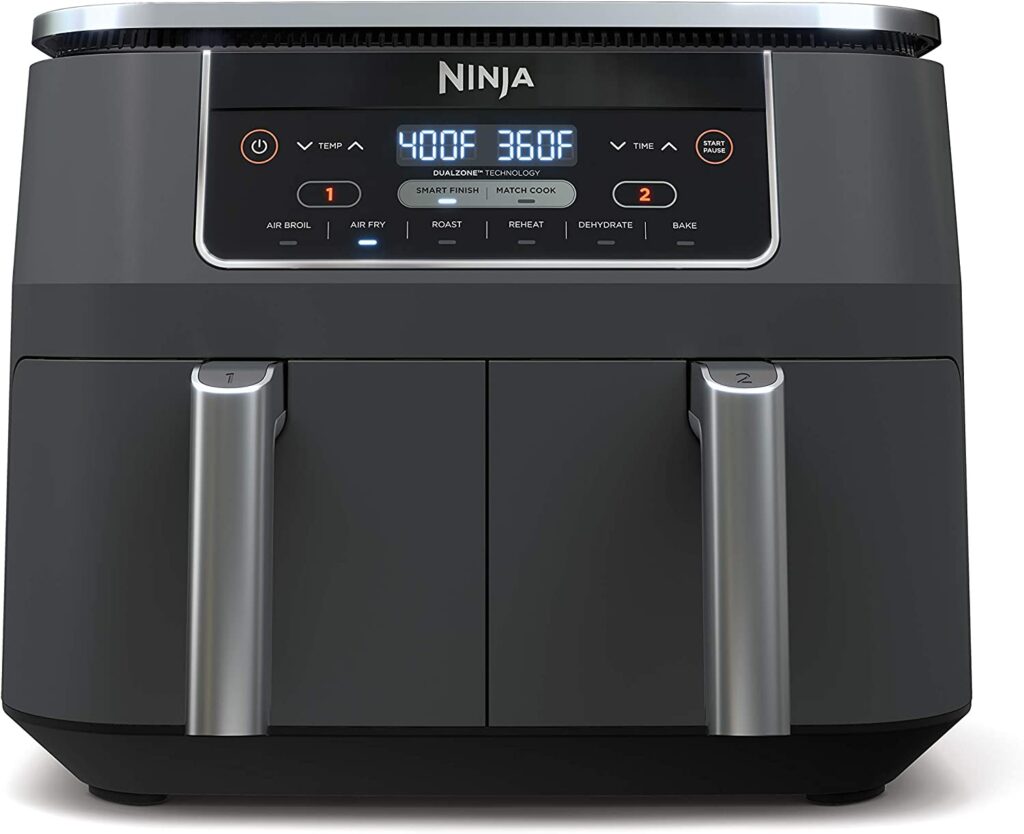
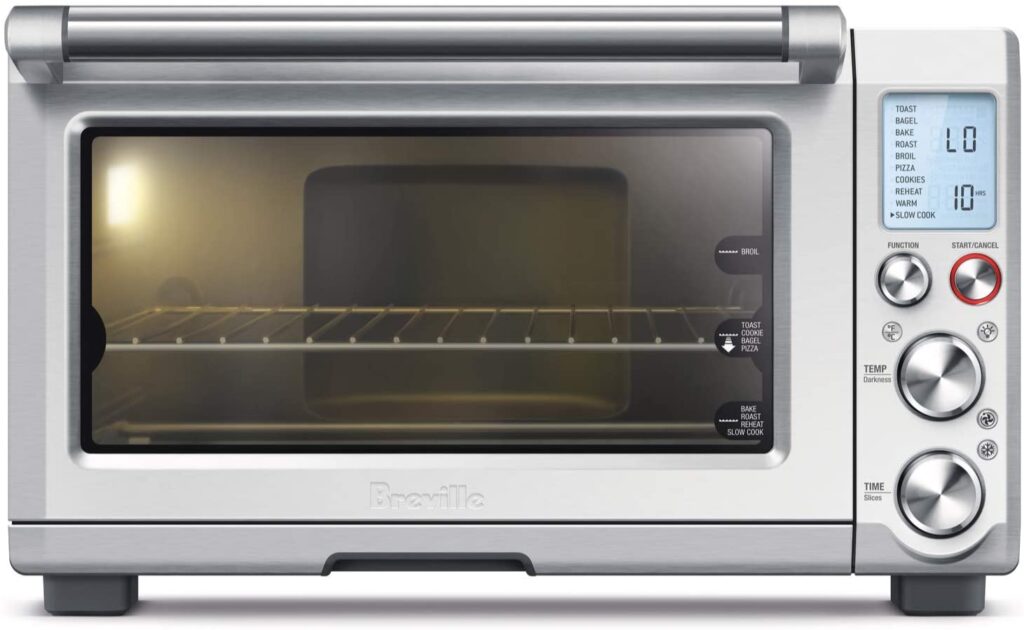
Setting your oven to 350°F often strikes the ideal balance: it heats the interior thoroughly while giving the cheese and toppings a pleasant, lightly browned finish. For smaller, individual portions, leaning toward 325°F can prevent the edges from becoming overly crisp or hard, preserving the creamy textures inside.
Best Cooking Time To Reheat Lasagna In Oven
Cooking time is intrinsically linked to both portion size and temperature. For a standard casserole-sized portion, reheating typically takes 25 to 45 minutes. Individual slices, depending on thickness, usually require 15 to 25 minutes.
A key trick is to cover the lasagna with aluminum foil during the initial heating phase. This traps steam, keeping the noodles moist and the filling creamy while allowing the dish to reach the desired internal temperature. For best results, remove the foil during the final 5-10 minutes to let the top layer of cheese melt fully and develop a slightly crisp, golden texture.
How To Reheat Lasagna In Oven
- Preheat the Oven: Set your oven to 325-350°F.
- Prepare the Lasagna: Place the portion or casserole in an oven-safe dish. If it’s a single slice, use a small baking tray; for larger portions, use a deep baking dish.
- Add Moisture (Optional): Drizzle a teaspoon or two of water or extra tomato sauce over the top. This prevents the pasta from drying out during reheating.
- Cover With Foil: Loosely cover with aluminum foil. Ensure the foil doesn’t touch the cheese directly to avoid sticking.
- Reheat: Bake for the recommended time based on portion size. Check for an internal temperature of 165°F (74°C) to ensure food safety.
- Brown the Cheese: Remove foil for the last 5-10 minutes of baking to allow the cheese to bubble and brown lightly.
- Rest: Let the lasagna sit for 5-10 minutes after removing it from the oven. This helps redistribute heat evenly and makes slicing easier.
When Not To Reheat Lasagna In The Oven
While reheating in the oven is ideal in most cases, there are exceptions. Avoid oven reheating if:
- The lasagna has been stored improperly or left out at room temperature for more than two hours. Bacteria can multiply rapidly, making it unsafe.
- You’re dealing with very thin or delicate portions; the oven may dry them out before the interior heats evenly. In such cases, microwaving with a cover or steaming may be better.
- The cheese has already hardened excessively from prior refrigeration; direct oven heat can cause it to separate and become greasy.
Reheating Lasagna More Than Once
Repeated reheating should generally be avoided. Each cycle of heating and cooling increases the risk of bacterial growth and diminishes the quality of the lasagna. If you must reheat multiple times:
- Reheat only the portion you plan to eat.
- Maintain an internal temperature of 165°F (74°C) each time.
- Store the remaining portion in the refrigerator promptly.
Reheating multiple times may cause noodles to become overly dry and the filling to separate, resulting in a less enjoyable texture.
What If I Use A Different Oven Temperature?
Using a temperature above 350°F risks drying the lasagna or burning the cheese while leaving the interior underheated. Conversely, reheating below 325°F may require significantly more time, potentially causing uneven heating. If adjustments are necessary due to oven variability, monitor the internal temperature closely and cover the lasagna to retain moisture.
What If I Use A Different Oven Cook Time?
Shortening the cooking time without increasing temperature may leave the interior cold, especially in dense, multi-layered portions. Extending the cooking time without adjusting temperature can dry out noodles and cheese. Always aim for 165°F (74°C) internally, using foil to protect the lasagna during longer reheating periods.
Best Ways To Reheat Lasagna
- Traditional Oven Method: Ideal for texture preservation and even heating.
- Convection Oven: Speeds up reheating slightly and promotes even browning, but monitor closely to avoid drying.
- Covered Skillet or Pan on Stove: Works for individual portions with lower risk of drying but requires careful attention to avoid sticking.
- Microwave (last resort): Quick but often compromises texture; cover with a microwave-safe lid to trap steam and prevent dryness.
Tips For Optimal Reheating Results
- Preheat the oven fully before placing lasagna inside.
- Use foil for most of the heating time to retain moisture.
- Add extra sauce or a few drops of water to prevent dryness.
- Check internal temperature to ensure food safety.
- Remove foil toward the end to crisp the cheese.
- Let it rest after reheating to allow flavors to settle and heat to distribute evenly.
FAQs
What Is The Best Temperature To Reheat Lasagna In The Oven?
The best temperature to reheat lasagna in the oven is 375°F (190°C). This temperature allows the lasagna to heat evenly and retain its flavor without drying out.
How Long Should I Reheat Lasagna In The Oven?
Reheat lasagna in the oven for about 25-30 minutes. If the lasagna is frozen, it may take up to 60 minutes. Be sure to check the internal temperature to ensure it’s heated thoroughly.
Do I Need To Cover Lasagna When Reheating It In The Oven?
Yes, it’s recommended to cover the lasagna with aluminum foil when reheating it. This helps retain moisture and prevents the top from getting too crispy. You can remove the foil during the last 5-10 minutes for a golden top.
Can I Reheat Frozen Lasagna In The Oven?
Yes, you can reheat frozen lasagna in the oven. Preheat your oven to 375°F (190°C) and bake the lasagna covered with foil for 50-60 minutes, or until it reaches an internal temperature of 165°F (74°C).
How Can I Prevent My Lasagna From Drying Out When Reheating?
To prevent lasagna from drying out, cover it with foil to trap moisture. You can also add a small amount of sauce or water to the dish before reheating to keep it moist.
Should I Thaw Lasagna Before Reheating It In The Oven?
While it’s not strictly necessary to thaw lasagna before reheating, thawing it overnight in the fridge can reduce reheating time and ensure more even heating. If you’re reheating directly from frozen, increase the time and check the temperature.
How Can I Tell If My Lasagna Is Fully Reheated?
You can check if the lasagna is fully reheated by inserting a thermometer into the center. The internal temperature should reach 165°F (74°C). Additionally, the lasagna should be bubbling around the edges.
Can I Reheat A Slice Of Lasagna In The Oven?
Yes, you can reheat a slice of lasagna in the oven. Place it on a baking sheet, cover it with foil, and heat it at 375°F (190°C) for about 15-20 minutes, or until hot throughout.
Can I Reheat Lasagna Multiple Times?
It’s best to avoid reheating lasagna multiple times, as each reheating cycle can cause the texture to degrade and the flavors to diminish. If you need to store leftover lasagna, refrigerate it within two hours of cooking and reheat only once.
Is There A Way To Enhance The Flavor Of Reheated Lasagna?
To enhance the flavor of reheated lasagna, you can sprinkle a bit of grated cheese on top before reheating or add a drizzle of olive oil for extra richness. For a fresh touch, consider adding some fresh herbs after reheating.