
How To Reheat Leftovers In Oven [FULL GUIDE]
Reheating leftovers in the oven is an art that balances convenience, safety, and flavor. Unlike microwaving, which can leave food unevenly heated or soggy, the oven allows for consistent, gentle warming that preserves texture and taste. Whether it’s pizza, roasted vegetables, casseroles, or meats, the oven brings out the original flavors while restoring crispiness and moisture. However, reheating isn’t just about turning the oven on; it involves careful attention to temperature, timing, and technique to ensure the food is safe to eat and enjoyable. Understanding these elements can elevate your leftover meals from bland afterthoughts to satisfying, restaurant-quality plates.
Contents
- 1 Best Temperature To Reheat Leftovers In Oven
- 2 Best Cooking Time To Reheat Leftovers In Oven
- 3 How To Reheat Leftovers In Oven
- 4 When Not To Reheat Leftovers In The Oven
- 5 Reheating Leftovers More Than Once
- 6 What If I Use A Different Oven Temperature?
- 7 What If I Use A Different Oven Cook Time?
- 8 Best Ways To Reheat Leftovers
- 9 Tips For Optimal Reheating Results
- 10 FAQs
- 10.1 What Is The Best Temperature To Reheat Leftovers In The Oven?
- 10.2 Should I Cover Leftovers When Reheating Them In The Oven?
- 10.3 How Do I Prevent My Leftovers From Drying Out In The Oven?
- 10.4 How Long Does It Take To Reheat Leftovers In The Oven?
- 10.5 Can I Reheat Frozen Leftovers In The Oven?
- 10.6 How Can I Reheat Pizza In The Oven Without It Getting Soggy?
- 10.7 Can I Reheat Multiple Servings Of Leftovers At Once In The Oven?
- 10.8 Should I Reheat Leftovers In A Glass, Metal, Or Ceramic Dish?
- 10.9 Is It Better To Reheat Leftovers In The Oven Or Microwave?
- 10.10 How Can I Check If My Leftovers Are Fully Reheated In The Oven?
Best Temperature To Reheat Leftovers In Oven
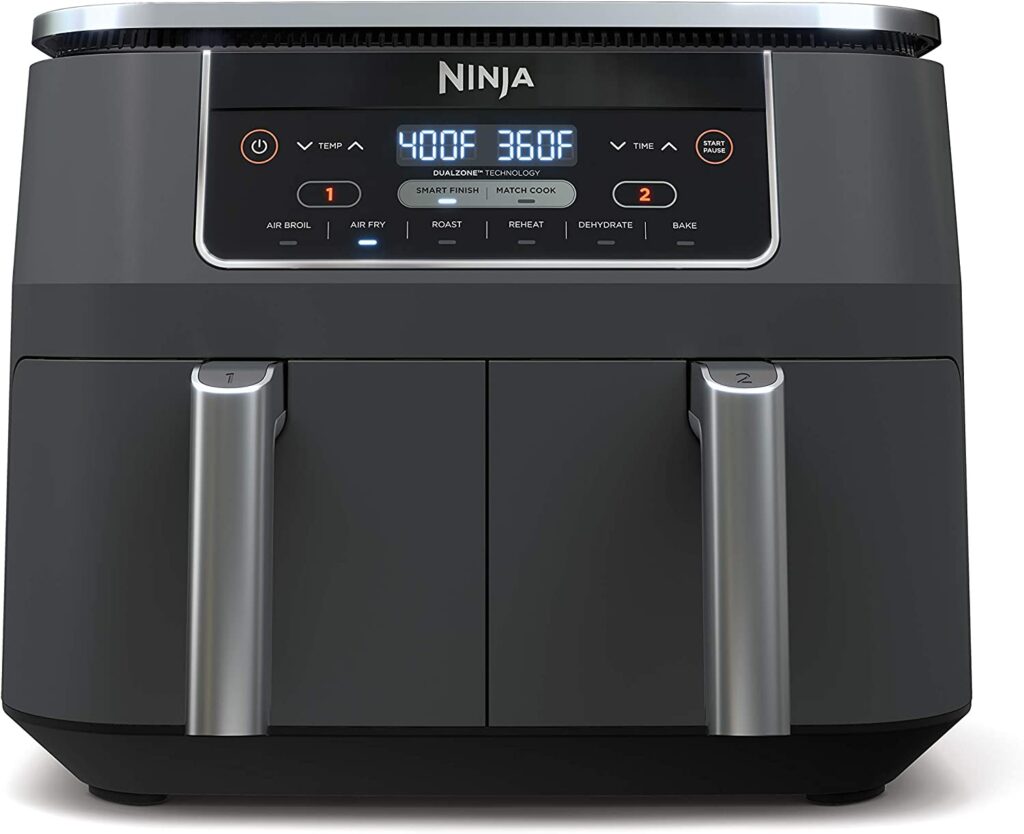
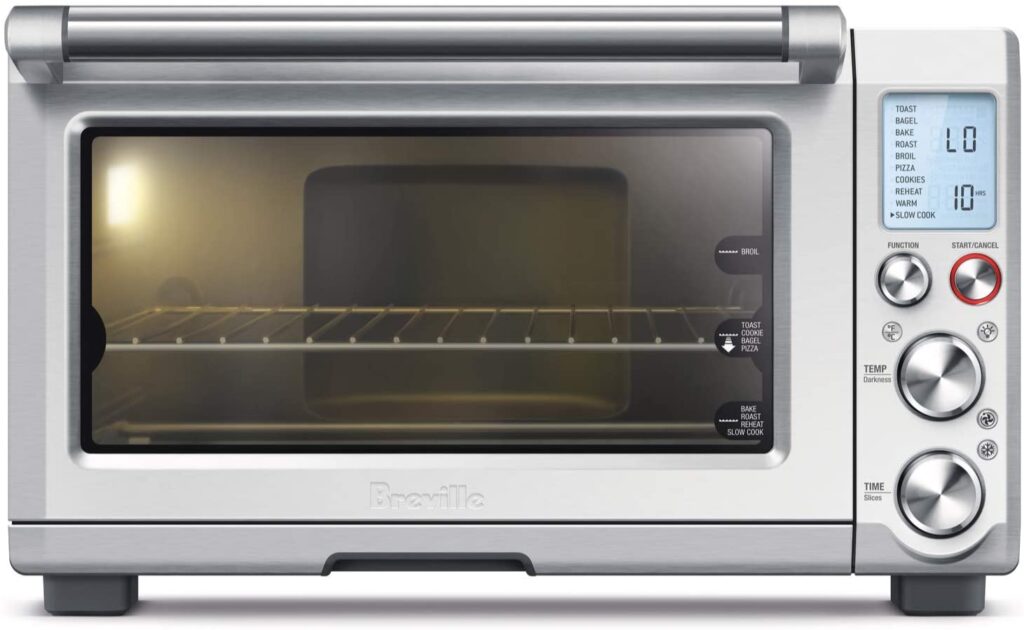
The ideal temperature for reheating leftovers in the oven generally ranges from 325°F to 375°F (163°C to 190°C). This range is warm enough to heat food thoroughly without drying it out or overcooking it.
- Low heat (around 300°F / 150°C): Best for delicate dishes like pasta or baked goods that can dry out easily. The slower heating ensures even warming but requires longer cooking time.
- Moderate heat (325-350°F / 163-177°C): Ideal for casseroles, roasted meats, and vegetable dishes. It provides a balance of speed and moisture retention.
- Higher heat (375°F / 190°C): Suitable for pizza, fried foods, or items that benefit from a crispy exterior. Use with caution, as higher temperatures can dry out softer foods quickly.
It’s important to remember that the oven’s temperature must be consistent, and preheating is essential for even reheating.
Best Cooking Time To Reheat Leftovers In Oven
Cooking time varies depending on the type of food, portion size, and initial temperature of the leftovers. A general guide:
- Small portions (individual servings): 10-15 minutes at 350°F (177°C).
- Medium portions (single casserole dish): 15-25 minutes at 350°F (177°C).
- Large portions (full casserole or roast): 25-40 minutes at 350°F (177°C).
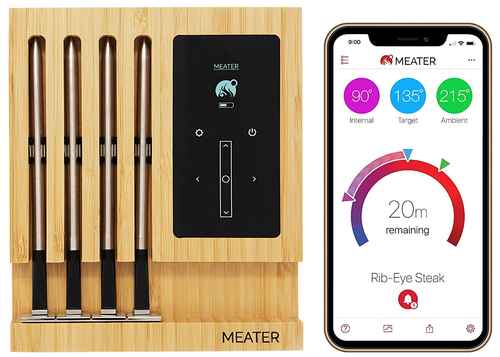
Always check internal temperatures. Leftovers should reach 165°F (74°C) in the center to ensure harmful bacteria are destroyed. Using a food thermometer is recommended, especially for meats and mixed dishes.
How To Reheat Leftovers In Oven
Reheating leftovers properly involves a few key steps:
- Preheat the oven: Ensures even cooking.
- Prepare the food: Spread evenly on a baking dish. Covering with foil helps retain moisture, while leaving some items uncovered helps maintain crispiness.
- Heat thoroughly: Use the temperature and timing guidelines above, checking periodically.
- Check doneness: Internal temperature should reach 165°F (74°C).
- Optional finishing touches: For crispy textures, uncover for the last 5-10 minutes.
Using a shallow dish rather than stacking food prevents cold spots and ensures uniform reheating.
When Not To Reheat Leftovers In The Oven
Not all leftovers are suitable for oven reheating. Avoid the oven for:
- High-moisture dishes like soups or stews unless transferring to an oven-safe dish with a lid; otherwise, they can dry out.
- Delicate desserts like soufflés or cream-filled pastries-they may collapse or curdle.
- Foods with sauces prone to separation, like creamy pasta or curry, unless covered and stirred occasionally.
Some leftovers are better suited to stovetop or microwave reheating, where control over moisture and consistency is easier.
Reheating Leftovers More Than Once
Reheating leftovers multiple times is not recommended due to food safety risks. Each reheating cycle increases the chance of bacterial growth and nutrient loss. If you must reheat more than once:
- Only reheat small portions at a time.
- Store the rest in the refrigerator immediately after serving.
- Ensure each portion reaches 165°F (74°C) before eating.
Minimizing reheating cycles maintains both safety and flavor.
What If I Use A Different Oven Temperature?
Using a temperature outside the recommended range can significantly affect your leftovers:
- Lower temperatures (<325°F / 163°C): Risk uneven heating, requiring longer cooking times, which may dry out some foods.
- Higher temperatures (>375°F / 190°C): Can cause the exterior to burn while the interior remains cold, especially in thicker dishes.
Adjusting temperature requires monitoring closely and possibly changing cooking times to ensure even heating.
What If I Use A Different Oven Cook Time?
Cook time changes can also impact results:
- Shorter time: May leave food underheated, creating food safety risks.
- Longer time: Can dry out food or overcook delicate items.
Always check internal temperature rather than relying solely on time. Using a thermometer ensures your food is safe and perfectly reheated.
Best Ways To Reheat Leftovers
The oven works best when paired with smart techniques:
- Cover with foil: Retains moisture for casseroles, pasta, or meats.
- Use a baking sheet for pizza or fries: Preserves crispiness.
- Add moisture when needed: A splash of broth or water can prevent drying.
- Cut larger pieces: Ensures faster, even heating.
Layering food evenly, rather than piling it up, helps prevent cold centers and uneven textures.
Tips For Optimal Reheating Results
- Preheat the oven fully: Saves time and ensures even heat.
- Check periodically: Stir or rotate dishes if needed.
- Use foil strategically: Cover to retain moisture, uncover for crispiness.
- Add liquid if necessary: Keeps food from drying.
- Use shallow dishes: Promotes uniform heating.
- Avoid overcrowding: Leaves space for air to circulate.
Following these tips maximizes both flavor and safety.
FAQs
What Is The Best Temperature To Reheat Leftovers In The Oven?
The optimal temperature for reheating leftovers in the oven is typically 350°F (175°C). This temperature ensures that food is heated evenly without becoming too dry or overcooked.
Should I Cover Leftovers When Reheating Them In The Oven?
Yes, covering leftovers with aluminum foil or a lid helps retain moisture and prevents the food from drying out during reheating. However, if you want crispy results, such as for pizza or roasted vegetables, leaving it uncovered is preferable.
How Do I Prevent My Leftovers From Drying Out In The Oven?
To prevent drying out, you can cover the food with foil or a baking dish lid, add a small amount of liquid (like water or broth) before covering, or use a lower heat setting and allow more time for warming up.
How Long Does It Take To Reheat Leftovers In The Oven?
Reheating time varies depending on the type and amount of food. Generally, it takes about 10 to 20 minutes. Thicker dishes, such as casseroles or large portions of meat, may take 20 minutes or more.
Can I Reheat Frozen Leftovers In The Oven?
Yes, you can reheat frozen leftovers in the oven. However, it is best to thaw them in the refrigerator beforehand for more even heating. If you must reheat from frozen, increase the reheating time and use a lower temperature (around 300°F) to ensure the food heats through without burning.
How Can I Reheat Pizza In The Oven Without It Getting Soggy?
To reheat pizza in the oven without it becoming soggy, preheat your oven to 375°F (190°C), place the pizza on a baking sheet, and bake for 5-10 minutes. You can also place the pizza directly on a rack for a crispier crust.
Can I Reheat Multiple Servings Of Leftovers At Once In The Oven?
Yes, you can reheat multiple servings at once in the oven. Spread the leftovers evenly on baking sheets or in casserole dishes. Ensure that they are arranged in a way that allows heat to circulate, so they reheat evenly.
Should I Reheat Leftovers In A Glass, Metal, Or Ceramic Dish?
You can reheat leftovers in glass, metal, or ceramic dishes, but glass and ceramic dishes tend to distribute heat more evenly. Metal dishes heat up quickly but may lead to uneven reheating in some cases.
Is It Better To Reheat Leftovers In The Oven Or Microwave?
While both methods are effective, the oven tends to give better results for certain dishes, such as pizza or baked foods, by keeping textures intact and avoiding sogginess. The microwave, however, is faster but may cause uneven heating and alter the texture of some foods.
How Can I Check If My Leftovers Are Fully Reheated In The Oven?
You can check if your leftovers are fully reheated by inserting a food thermometer into the center of the dish. It should read 165°F (74°C) to ensure it is safe to eat. Additionally, you can visually check that the food is steaming and hot throughout.