
How To Reheat Pasta In Oven [FULL GUIDE]
Pasta is a beloved staple across cultures, celebrated for its versatility, comfort, and ability to absorb rich sauces and flavors. Whether it’s a leftover lasagna, creamy macaroni and cheese, or a simple spaghetti with tomato sauce, reheating pasta can often be tricky. Too little heat leaves it cold and unappetizing, while too much can dry it out or turn it rubbery. The oven, when used correctly, offers a reliable method to revive pasta, allowing it to regain its texture, aroma, and taste. Unlike microwaving, which can result in uneven heating, the oven provides gentle, consistent warmth, making it ideal for both sauced and baked pastas. Understanding the optimal temperature, cooking time, and techniques ensures that your leftover pasta tastes almost as fresh as when it was first prepared.
Contents
- 1 Best Temperature To Reheat Pasta In Oven
- 2 Best Cooking Time To Reheat Pasta In Oven
- 3 How To Reheat Pasta In Oven
- 4 When Not To Reheat Pasta In The Oven
- 5 Reheating Pasta More Than Once
- 6 What If I Use A Different Oven Temperature?
- 7 What If I Use A Different Oven Cook Time?
- 8 Best Ways To Reheat Pasta
- 9 Tips For Optimal Reheating Results
- 10 FAQs
- 10.1 What Is The Best Method To Reheat Pasta In The Oven?
- 10.2 Should I Cover Pasta With Foil When Reheating It In The Oven?
- 10.3 Can I Reheat Baked Pasta Dishes Like Lasagna In The Oven?
- 10.4 How Do I Prevent Pasta From Drying Out When Reheating It In The Oven?
- 10.5 Can I Reheat Pasta With Sauce In The Oven?
- 10.6 Should I Add Extra Sauce When Reheating Leftover Pasta?
- 10.7 Can I Reheat Frozen Pasta In The Oven?
- 10.8 How Long Does It Take To Reheat Pasta In The Oven?
- 10.9 Can I Reheat Pasta In The Oven Without Sauce?
- 10.10 How Can I Make Pasta Crispy When Reheating It In The Oven?
Best Temperature To Reheat Pasta In Oven
The ideal oven temperature for reheating pasta balances efficiency with careful preservation of moisture and texture. Generally, a range of 325°F to 350°F (160°C to 175°C) is considered optimal. Temperatures lower than 325°F may result in prolonged heating, which can dry out the pasta before it is fully warmed. Temperatures above 350°F risk overcooking the edges while leaving the center cold.
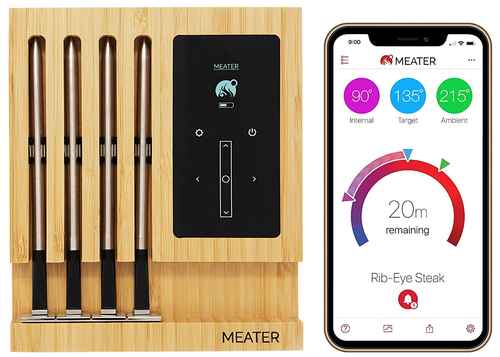
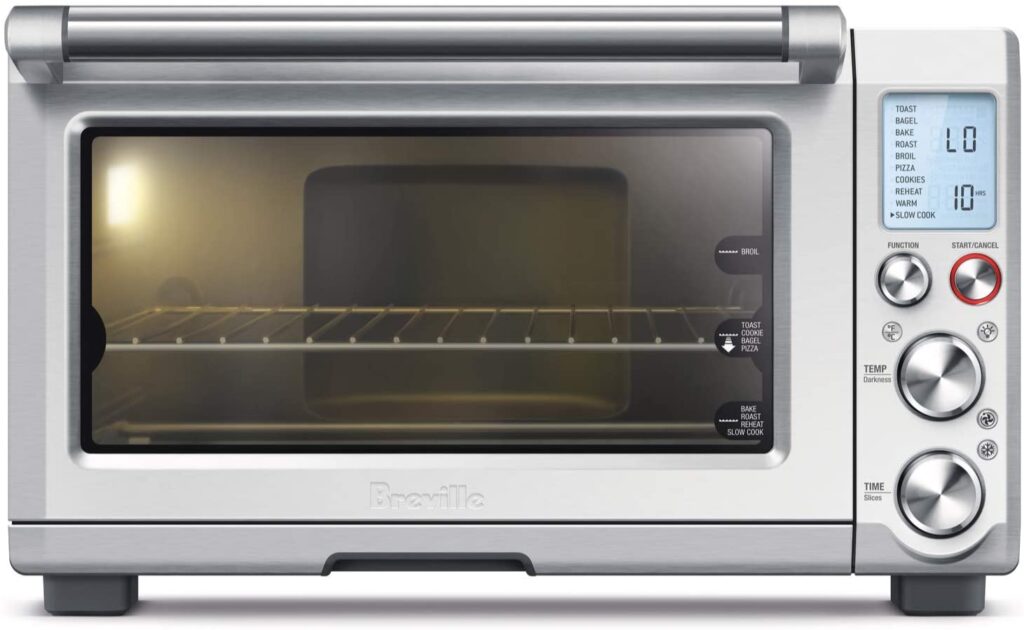
For pasta baked with a sauce or cheese topping, 350°F works best, as it allows the cheese to melt evenly and the sauce to bubble slightly, restoring some of the freshly baked appeal. For plain or lightly sauced pasta, 325°F is safer, ensuring the noodles heat evenly without losing their tenderness or absorbing excessive sauce moisture that could make them mushy.
Best Cooking Time To Reheat Pasta In Oven
The reheating time depends on the pasta type, quantity, and whether it is covered. On average, 20 to 30 minutes is sufficient for most baked or sauced pastas. Smaller portions or single servings may need only 15-20 minutes, while larger casseroles or dense layers of lasagna may require 30-40 minutes.
To prevent drying, it’s often recommended to cover the pasta with aluminum foil. This traps moisture, allowing heat to penetrate the pasta evenly without hardening the edges. Removing the foil in the last 5-10 minutes of heating helps achieve a slightly crisp top layer for baked dishes, mimicking freshly cooked pasta.
How To Reheat Pasta In Oven
Reheating pasta in the oven can be broken down into a simple step-by-step process:
- Preheat the Oven: Set your oven to 325°F-350°F (160°C-175°C).
- Prepare the Pasta: Place leftover pasta in an oven-safe dish. If it seems dry, add a splash of water, broth, or sauce to maintain moisture.
- Cover the Dish: Use aluminum foil to cover the pasta loosely, which traps steam and prevents drying.
- Heat Evenly: Place the dish in the oven for 20-30 minutes, checking occasionally. Stirring halfway through can help ensure uniform heat distribution, especially for sauced pastas.
- Optional Browning: Remove the foil in the final 5-10 minutes to allow cheese toppings or baked surfaces to brown slightly.
- Serve: Carefully remove the pasta from the oven, let it sit for 2-3 minutes to stabilize heat, and enjoy.
When Not To Reheat Pasta In The Oven
Not all pastas respond well to oven reheating. Avoid using the oven for:
- Delicate pasta shapes like angel hair or thin noodles, which can dry out quickly.
- Pasta with minimal sauce that may stick to the dish or dry unevenly.
- Portions already overheated once in the microwave or stovetop, as repeated exposure to heat can make noodles gummy.
In such cases, gently reheating on the stovetop with a little water or sauce might preserve texture better.
Reheating Pasta More Than Once
Reheating pasta multiple times is generally discouraged. Each cycle of cooling and reheating causes noodles to lose moisture, break down starches, and become mushy or unevenly cooked. If repeated reheating is unavoidable, minimize it by reheating only the portion you intend to eat. Always store leftover pasta properly in airtight containers in the refrigerator and consume within 3-4 days to maintain quality and food safety.
What If I Use A Different Oven Temperature?
Altering the oven temperature can affect texture and cooking time:
- Lower Temperature (≤300°F / 150°C): Preserves moisture but may require significantly longer heating (up to 40-50 minutes).
- Higher Temperature (≥375°F / 190°C): Reduces reheating time but risks drying or overcooking, especially at the edges.
- Very High Temperature (>400°F / 200°C): Only recommended for a short final crisping stage; otherwise, noodles can burn or become tough.
Consistency is key. Stick to moderate temperatures for even reheating, and adjust cook time rather than drastically changing temperature.
What If I Use A Different Oven Cook Time?
Cooking time variations influence moisture retention and texture:
- Shorter Time: Pasta may be unevenly heated, leaving cold spots in the center.
- Longer Time: Even at lower temperatures, excessive cooking can dry noodles and reduce flavor.
If adjusting time, check pasta periodically, and always cover it to prevent moisture loss.
Best Ways To Reheat Pasta
The oven is excellent for baked or heavily sauced pasta, but other methods may be better for lighter dishes:
- Microwave: Quick, effective for small portions; stir halfway for even heat.
- Stovetop: Gentle reheating in a saucepan with a splash of water or sauce prevents sticking.
- Steam: Preserves delicate pasta textures and prevents drying, ideal for plain noodles.
The oven, however, shines for casseroles, lasagna, and pasta with cheese toppings, restoring both warmth and flavor depth.
Tips For Optimal Reheating Results
- Add Moisture: A few tablespoons of water, broth, or sauce can prevent dryness.
- Cover with Foil: Traps steam for even heating.
- Check Regularly: Prevents overcooking, especially for small portions.
- Stir Halfway: Ensures uniform temperature, particularly in casseroles.
- Finish Uncovered: For a golden, slightly crispy surface on baked pasta.
- Avoid Multiple Reheatings: Reheat only what you plan to serve to maintain texture.
FAQs
What Is The Best Method To Reheat Pasta In The Oven?
The best method to reheat pasta in the oven is to preheat the oven to 350°F (175°C). Place the pasta in an oven-safe dish, add a bit of sauce or moisture to prevent it from drying out, and cover the dish with aluminum foil. Heat for about 20 minutes, stirring halfway through for even warming.
Should I Cover Pasta With Foil When Reheating It In The Oven?
Yes, it is recommended to cover the pasta with aluminum foil when reheating in the oven. This helps retain moisture and prevents the pasta from becoming dry. You can remove the foil during the last few minutes to allow the top to brown slightly.
Can I Reheat Baked Pasta Dishes Like Lasagna In The Oven?
Yes, you can reheat baked pasta dishes like lasagna in the oven. Preheat the oven to 350°F (175°C), cover the dish with aluminum foil, and heat for 25-30 minutes, or until the center is hot. For crispier edges, remove the foil for the last 5-10 minutes.
How Do I Prevent Pasta From Drying Out When Reheating It In The Oven?
To prevent pasta from drying out, add some sauce, broth, or water to the pasta before reheating. Covering the dish with foil and using a moderate oven temperature (around 350°F) also helps maintain moisture.
Can I Reheat Pasta With Sauce In The Oven?
Yes, reheating pasta with sauce in the oven is a great way to keep it moist. Ensure the pasta is coated well with sauce and cover the dish with foil. Bake at 350°F (175°C) for 20 minutes, stirring halfway through for even heating.
Should I Add Extra Sauce When Reheating Leftover Pasta?
It’s a good idea to add extra sauce when reheating leftover pasta, especially if the pasta has absorbed much of the sauce during storage. A tablespoon or two of sauce per serving can help prevent dryness and keep the pasta flavorful.
Can I Reheat Frozen Pasta In The Oven?
Yes, you can reheat frozen pasta in the oven. Preheat the oven to 375°F (190°C). Place the frozen pasta in an oven-safe dish, cover with foil, and bake for 25-30 minutes. Check the temperature in the center, and if needed, bake for an additional 5-10 minutes.
How Long Does It Take To Reheat Pasta In The Oven?
Reheating pasta in the oven typically takes around 20-25 minutes at 350°F (175°C). If the pasta is in a thicker or denser dish (like lasagna), it may take up to 30 minutes. Be sure to check for even heating by stirring halfway through.
Can I Reheat Pasta In The Oven Without Sauce?
Yes, you can reheat plain pasta in the oven, but it’s best to add a small amount of moisture to prevent it from drying out. You can drizzle some olive oil, butter, or a small amount of water over the pasta, then cover with foil and bake at 350°F (175°C) for 15-20 minutes.
How Can I Make Pasta Crispy When Reheating It In The Oven?
To make pasta crispy when reheating it in the oven, spread the pasta in a single layer on a baking sheet and bake uncovered at a higher temperature (around 400°F or 200°C) for 10-15 minutes. You can also broil the pasta for a few minutes at the end for added crispiness.