
How To Reheat Pizza At 450 Degrees In Oven [FULL GUIDE]
Pizza is one of the world’s most beloved comfort foods, celebrated for its crispy crust, savory sauce, and melty cheese. Yet, reheating leftover pizza can be a challenge. Too low, and your crust becomes soggy; too high, and your toppings burn. One method that consistently delivers a near-fresh experience is reheating pizza in the oven at 450°F. This approach balances heat and speed, revitalizing the flavors while preserving the texture that makes pizza so irresistible. In this guide, we’ll explore the ideal temperature, timing, techniques, and tips to get the perfect slice every time.
Contents
- 1 Best Temperature To Reheat Pizza In Oven
- 2 Best Cooking Time To Reheat Pizza At 450 Degrees In Oven
- 3 How To Reheat Pizza At 450 Degrees In Oven
- 4 When Not To Reheat Pizza In The Oven
- 5 Reheating Pizza More Than Once
- 6 What If I Use A Different Oven Temperature?
- 7 What If I Use A Different Oven Cook Time?
- 8 Best Ways To Reheat Pizza
- 9 Tips For Optimal Reheating Results
- 10 FAQs
- 10.1 Why Should I Reheat Pizza At 450 Degrees In The Oven?
- 10.2 How Long Should I Reheat Pizza At 450 Degrees?
- 10.3 Do I Need To Preheat The Oven When Reheating Pizza?
- 10.4 Should I Cover The Pizza When Reheating It In The Oven?
- 10.5 How Can I Prevent The Pizza Crust From Getting Too Hard When Reheating?
- 10.6 Can I Reheat Frozen Pizza At 450 Degrees In The Oven?
- 10.7 Is It Safe To Reheat Leftover Pizza Multiple Times In The Oven?
- 10.8 Should I Use A Baking Sheet Or Directly Place The Pizza On The Oven Rack?
- 10.9 Can I Reheat Pizza At A Lower Temperature Than 450 Degrees?
- 10.10 What If I Don’t Want To Reheat The Entire Pizza? Can I Heat Just A Slice?
Best Temperature To Reheat Pizza In Oven
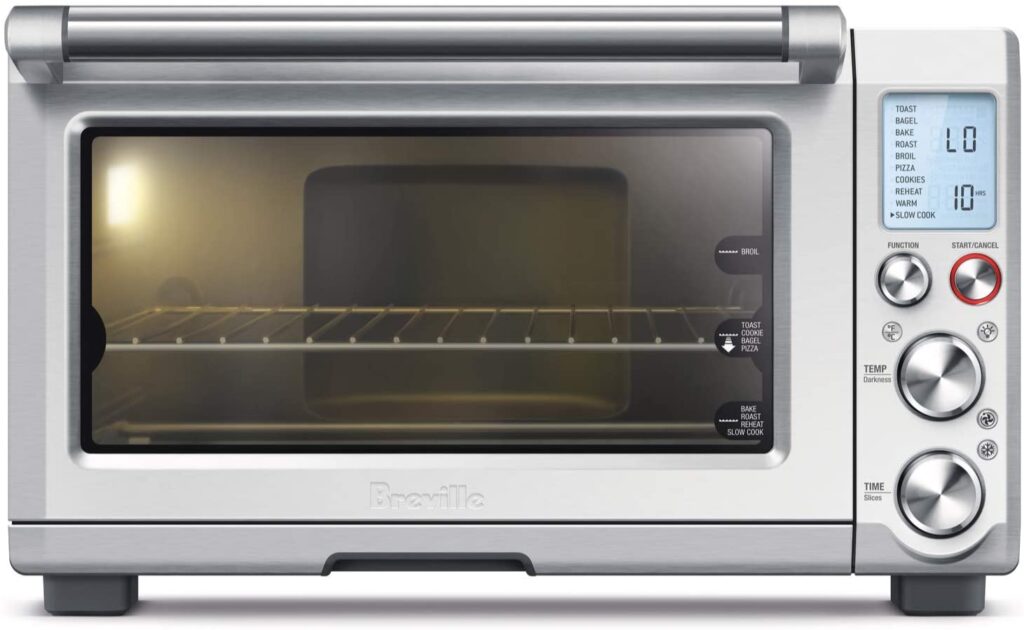
450°F is considered a high, intense heat for reheating, but it is particularly effective for pizza. At this temperature, the oven delivers rapid and even heat that crisps the crust without overcooking the toppings. The goal is to quickly revitalize the pizza so that the cheese melts thoroughly, the sauce warms evenly, and the crust regains its signature crunch. Lower temperatures may prevent the toppings from melting properly or leave the crust too soft, while higher temperatures risk burning delicate ingredients like fresh herbs or thin slices of meat.
Best Cooking Time To Reheat Pizza At 450 Degrees In Oven
Timing is critical when using a high temperature like 450°F. On average, reheating pizza at this heat requires 5 to 7 minutes, depending on the thickness of the crust and the density of toppings. Thin-crust pizzas generally need closer to 5 minutes, while deep-dish or heavily loaded slices may need 6-7 minutes. Monitoring your pizza is key: the cheese should be visibly bubbling, and the crust should achieve a golden-brown crispness without darkening too much.
How To Reheat Pizza At 450 Degrees In Oven
- Preheat the oven to a full 450°F. Preheating ensures the heat is consistent from the moment the pizza is placed inside.
- Prepare your pizza by placing slices on a baking sheet or directly on the oven rack for maximum crispiness. Using parchment paper can prevent sticking, while aluminum foil can help with even heat distribution.
- Bake the pizza for 5-7 minutes, keeping an eye on the edges. If the crust begins to darken too quickly, rotate the tray or move it to a higher rack.
- Check the cheese-once it’s fully melted and slightly bubbly, remove the pizza.
- Let it rest for 1-2 minutes outside the oven before slicing or serving. This allows the cheese to settle and prevents burns.
When Not To Reheat Pizza In The Oven
While reheating in the oven is ideal for most pizzas, there are situations where it may not be the best method:
- Thin, delicate crusts can dry out or burn under high heat.
- Frozen pizzas that have not been fully thawed may cook unevenly.
- Extremely small slices can overcook quickly, becoming hard or charred.
In these cases, alternative methods such as a skillet or microwave with a moisture shield might yield better results.
Reheating Pizza More Than Once
Reheating pizza multiple times is generally discouraged. Each cycle exposes the crust and toppings to additional heat, drying out the crust and making the cheese rubbery. If you must reheat more than once, do so at lower temperatures (around 350°F) and for shorter periods to minimize quality loss. Ideally, portion your pizza so you only reheat what you intend to eat.
What If I Use A Different Oven Temperature?
- Lower than 450°F (350-400°F): Slower heating reduces the risk of burning, but the crust may not crisp properly, leaving it chewy or soggy.
- Higher than 450°F (475-500°F): Rapid crisping occurs, which may burn edges before the cheese and toppings are fully heated. High heat works better for very thin crusts that cook quickly.
Adjusting temperature requires balancing crust crispiness with topping melt.
What If I Use A Different Oven Cook Time?
Cooking time should correlate with temperature:
- Shorter than 5 minutes at 450°F: The pizza may be warm but with unmelted cheese or cold toppings.
- Longer than 7 minutes at 450°F: Risk of overcooked crust, burnt edges, or dried-out cheese.
If experimenting with different times, always monitor visually rather than relying solely on the clock.
Best Ways To Reheat Pizza
Besides the oven, other methods include:
- Skillet on the stovetop: Achieves a crispy crust while keeping cheese melty using a low, covered heat.
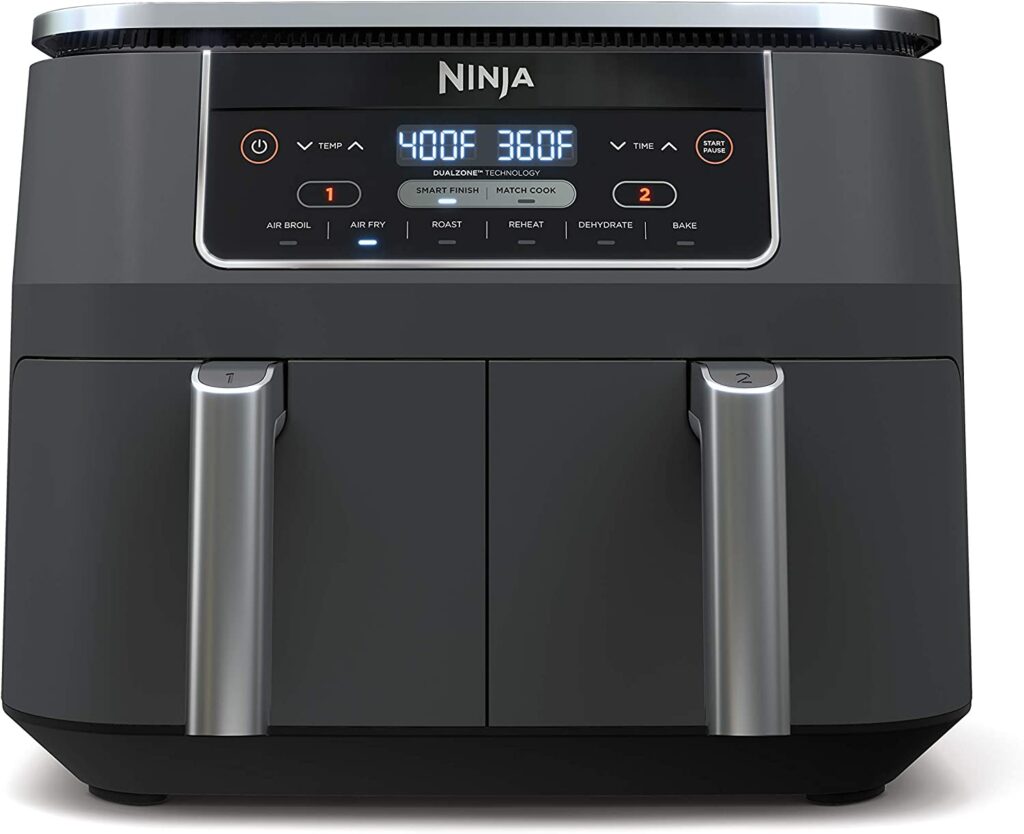
- Air fryer: Ideal for single slices, crisping both top and bottom quickly.
- Microwave with a cup of water: Moisture prevents the crust from becoming rubbery, though it won’t be as crispy as oven methods.
Tips For Optimal Reheating Results
- Use a preheated oven for even cooking.
- Place pizza directly on a rack or use a perforated baking sheet to avoid sogginess.
- Avoid overloading toppings; too many can trap moisture and prevent crisping.
- Check frequently-pizza can go from perfectly crisp to burnt quickly at high temperatures.
- Add a light brush of olive oil on the crust for extra crisp and flavor.
FAQs
Why Should I Reheat Pizza At 450 Degrees In The Oven?
Reheating pizza at 450 degrees ensures that the crust becomes crispy while the cheese and toppings heat evenly, preventing sogginess. The high heat mimics the original cooking temperature, preserving the texture and flavor of the pizza.
How Long Should I Reheat Pizza At 450 Degrees?
Reheating pizza at 450 degrees typically takes 5-8 minutes, depending on the thickness of the crust and the amount of toppings. Check the pizza after 5 minutes to avoid overcooking.
Do I Need To Preheat The Oven When Reheating Pizza?
Yes, preheating the oven to 450 degrees is crucial to ensure the pizza heats evenly and the crust crisps up properly. A preheated oven guarantees optimal reheating results.
Should I Cover The Pizza When Reheating It In The Oven?
It’s generally not recommended to cover the pizza when reheating at 450 degrees. Keeping the pizza uncovered allows the crust to crisp up, while the heat circulates to warm the toppings.
How Can I Prevent The Pizza Crust From Getting Too Hard When Reheating?
To avoid a hard crust, you can place a sheet of aluminum foil over the pizza for the first few minutes of reheating. This helps trap moisture and prevents the crust from becoming too dry. You can remove the foil toward the end to crisp up the crust.
Can I Reheat Frozen Pizza At 450 Degrees In The Oven?
Yes, you can reheat frozen pizza at 450 degrees. However, it’s recommended to let the pizza thaw for a few minutes before placing it in the oven to ensure even heating. If you’re reheating an entire frozen pizza, the process may take longer, around 10-12 minutes.
Is It Safe To Reheat Leftover Pizza Multiple Times In The Oven?
While it’s generally safe to reheat pizza multiple times in the oven, it can affect the quality of the pizza. Reheating too many times can dry out the crust and toppings, making the pizza less enjoyable. It’s best to reheat pizza only once or twice for the best taste.
Should I Use A Baking Sheet Or Directly Place The Pizza On The Oven Rack?
For a crispy crust, it’s best to place the pizza directly on the oven rack. This allows air to circulate around the pizza and helps the crust stay crisp. However, if you prefer a softer crust, you can place the pizza on a baking sheet.
Can I Reheat Pizza At A Lower Temperature Than 450 Degrees?
Yes, you can reheat pizza at a lower temperature, such as 375-400 degrees, if you’re concerned about burning or overcooking the pizza. However, this may result in a less crispy crust. A higher temperature like 450 degrees gives the best texture and flavor.
What If I Don’t Want To Reheat The Entire Pizza? Can I Heat Just A Slice?
Yes, you can reheat a single slice of pizza at 450 degrees. Simply place the slice on a baking sheet or directly on the oven rack and heat for 3-5 minutes, checking it frequently to avoid overcooking.