
How To Reheat Pork Ribs In Oven [FULL GUIDE]
Few culinary experiences compare to sinking your teeth into tender, juicy pork ribs slathered in a rich, smoky sauce. However, leftovers are often inevitable, and reheating them can be a tricky task. Heat them too much, and they dry out; too little, and they remain cold or unevenly warmed. Using an oven is widely regarded as the best method to revive pork ribs while preserving their flavor, moisture, and texture. Unlike microwaves, which can leave ribs rubbery, or stovetop methods, which may unevenly heat the meat, the oven allows for gentle, consistent reheating. Understanding the precise temperature, cooking time, and techniques can elevate leftover ribs from merely acceptable to deliciously satisfying.
Contents
- 1 Best Temperature To Reheat Pork Ribs In Oven
- 2 Best Cooking Time To Reheat Pork Ribs In Oven
- 3 How To Reheat Pork Ribs In Oven
- 4 When Not To Reheat Pork Ribs In The Oven
- 5 Reheating Pork Ribs More Than Once
- 6 What If I Use A Different Oven Temperature?
- 7 What If I Use A Different Oven Cook Time?
- 8 Best Ways To Reheat Pork Ribs
- 9 Tips For Optimal Reheating Results
- 10 FAQs
- 10.1 What Is The Best Method To Reheat Pork Ribs In The Oven?
- 10.2 Should I Remove The Ribs From The Refrigerator Before Reheating Them?
- 10.3 How Long Do I Need To Reheat Pork Ribs In The Oven?
- 10.4 Can I Reheat Pork Ribs In The Oven Without Wrapping Them In Foil?
- 10.5 Should I Add Liquid To The Pork Ribs While Reheating?
- 10.6 Can I Reheat Pork Ribs In The Oven If They Have Sauce On Them?
- 10.7 How Do I Know When The Pork Ribs Are Fully Reheated?
- 10.8 Can I Reheat Pork Ribs In The Oven And Keep Them Tender?
- 10.9 Can I Reheat Frozen Pork Ribs In The Oven?
- 10.10 What Is The Recommended Temperature To Reheat Pork Ribs In The Oven?
Best Temperature To Reheat Pork Ribs In Oven
The key to perfectly reheated ribs is balance. The oven should be hot enough to warm the meat through but not so hot that it dries it out. Generally, a temperature range of 275°F to 300°F (135°C to 150°C) works best. This moderate heat allows the ribs to slowly regain their tenderness and absorb any additional sauce or moisture you add. Temperatures above 325°F (163°C) risk overcooking the exterior while leaving the interior only partially warmed, whereas very low temperatures under 250°F (121°C) extend cooking time unnecessarily and can make reheating inefficient.
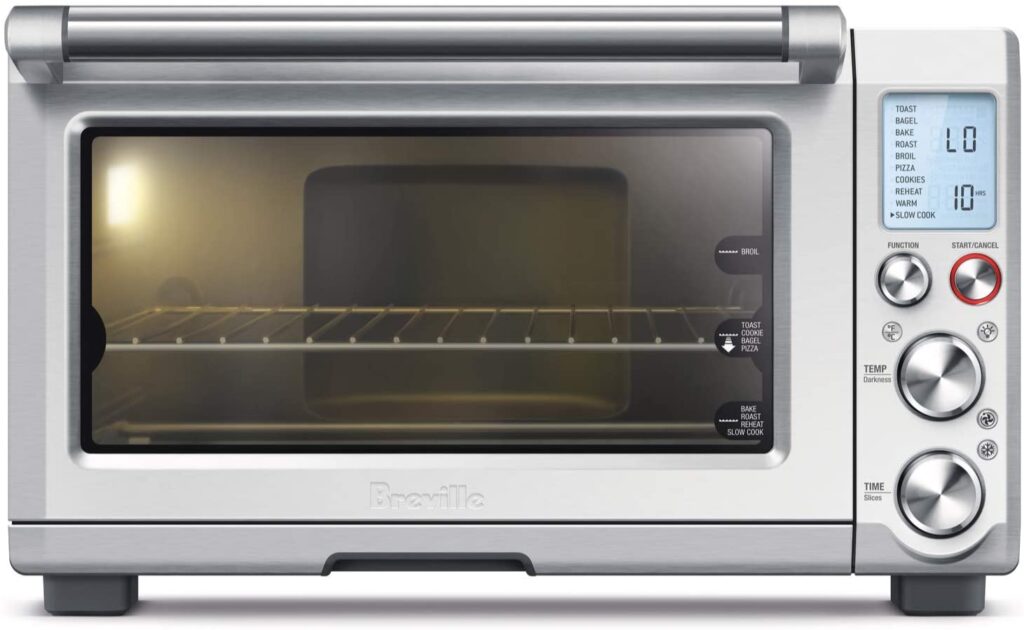
For ribs that are particularly thick or meaty, staying at the lower end of the range (275°F) ensures a slow, even warming process that helps preserve the meat’s juiciness. For thinner or smaller ribs, a slightly higher temperature (300°F) is acceptable to speed up reheating without compromising texture.
Best Cooking Time To Reheat Pork Ribs In Oven
Cooking time is as important as temperature in achieving perfectly reheated ribs. On average, reheating ribs at 275°F to 300°F takes approximately 25 to 30 minutes. The exact time varies based on the rack’s size, whether the ribs are bone-in or boneless, and how cold they were when placed in the oven.
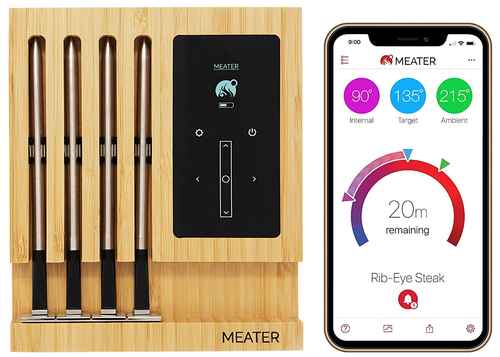
A reliable way to gauge doneness is by using a meat thermometer. Pork ribs should reach an internal temperature of 145°F (63°C) for safe consumption, but for leftover ribs, aiming for 160°F (71°C) ensures they are heated thoroughly without overcooking. Covering the ribs with foil during reheating helps maintain moisture and slightly reduces the required cooking time, whereas leaving them uncovered allows the sauce to caramelize but can dry the meat if left too long.
How To Reheat Pork Ribs In Oven
Reheating ribs in the oven is straightforward but requires a few critical steps for optimal results:
- Preheat the oven to 275-300°F (135-150°C).
- Prepare the ribs: Remove any packaging, and if desired, brush the ribs with a thin layer of barbecue sauce, broth, or even a light coating of olive oil to retain moisture.
- Wrap in foil: Place the ribs on a baking sheet or oven-safe dish and tightly cover them with aluminum foil. This traps steam, preventing the ribs from drying out.
- Heat evenly: Place the ribs in the oven and allow them to reheat for 25-30 minutes, checking at the 20-minute mark for temperature and moisture.
- Optional finishing step: For a caramelized exterior, remove the foil in the last 5-10 minutes and switch to a broil or slightly higher oven setting, keeping a close eye to prevent burning.
When Not To Reheat Pork Ribs In The Oven
While ovens are versatile, there are situations where reheating ribs may not be advisable:
- Multiple reheats: If ribs have already been reheated once, further heating risks excessive dryness and flavor loss.
- Spoiled meat: If ribs have been stored improperly or for more than 3-4 days in the refrigerator, reheating may not make them safe to eat.
- Extremely small portions: Very thin slices of rib may overcook easily, making stovetop or microwave reheating preferable for small quantities.
Avoiding these scenarios ensures that the effort to reheat doesn’t compromise taste or safety.
Reheating Pork Ribs More Than Once
Reheating ribs multiple times is not recommended. Each reheating cycle accelerates moisture loss and texture degradation, often leaving the meat dry and stringy. If you anticipate consuming ribs over several days, it is better to:
- Portion them before storing so only what is needed is reheated.
- Use airtight containers in the refrigerator to minimize moisture loss.
- Reheat gently, preferably in the oven at low temperature, only once.
Following these practices preserves both flavor and food safety.
What If I Use A Different Oven Temperature?
Altering the oven temperature affects the final texture and juiciness:
- Lower than 275°F: The ribs will reheat more slowly, requiring longer cooking times, which may be inconvenient but preserves moisture if monitored carefully.
- Higher than 300°F: Ribs will heat faster, but the risk of drying out or burning the edges increases. Extra sauce or foil may mitigate this, but caution is advised.
Temperature adjustments should always be paired with vigilant timing to avoid compromising quality.
What If I Use A Different Oven Cook Time?
Changing the cooking time has predictable consequences:
- Shorter time: Ribs may remain cold internally, resulting in uneven heating.
- Longer time: Excessive cooking dries out the meat and toughens connective tissues.
Always remember: slower, steady heating is better than rapid reheating when it comes to preserving tenderness and flavor.
Best Ways To Reheat Pork Ribs
While the oven is often best, other methods exist:
- Oven (preferred): Ensures even heating and maintains moisture.
- Slow cooker: Excellent for very tender ribs, but lacks caramelization.
- Stovetop (covered pan with low heat): Works for small quantities but risks uneven heating.
- Microwave: Fastest but may create rubbery texture unless covered and moistened.
Among these, the oven strikes the ideal balance of convenience, taste, and texture.
Tips For Optimal Reheating Results
- Add moisture: Brushing with sauce or broth prevents drying.
- Cover with foil: Traps steam and preserves juiciness.
- Check internal temperature: Use a thermometer to avoid under or overheating.
- Finish uncovered if desired: Brief broiling or higher heat at the end can crisp edges and enhance flavor.
- Store properly: Refrigerate promptly in airtight containers to ensure ribs stay fresh until reheating.
These small steps make a significant difference in bringing leftover ribs back to their full flavor potential.
FAQs
What Is The Best Method To Reheat Pork Ribs In The Oven?
The best method to reheat pork ribs in the oven is to wrap them in aluminum foil, place them on a baking sheet, and heat them at 250°F (120°C) for 20-30 minutes. This slow reheating process helps preserve the moisture and tenderness of the ribs.
Should I Remove The Ribs From The Refrigerator Before Reheating Them?
Yes, it is recommended to let the pork ribs sit at room temperature for about 10-15 minutes before reheating. This helps the ribs heat more evenly and prevents them from drying out.
How Long Do I Need To Reheat Pork Ribs In The Oven?
Reheating pork ribs in the oven usually takes about 20-30 minutes at 250°F (120°C). If the ribs are thicker or have more sauce, it may take a bit longer, but be sure to check them regularly to avoid overcooking.
Can I Reheat Pork Ribs In The Oven Without Wrapping Them In Foil?
You can reheat pork ribs without foil, but wrapping them in foil helps retain moisture and prevents the ribs from becoming dry. If you prefer a crispy exterior, you can uncover them for the last 5-10 minutes of reheating.
Should I Add Liquid To The Pork Ribs While Reheating?
Adding a small amount of liquid, such as broth, water, or even barbecue sauce, can help keep the ribs moist. This is especially useful if the ribs were originally cooked dry or if you want to enhance the flavor.
Can I Reheat Pork Ribs In The Oven If They Have Sauce On Them?
Yes, you can reheat pork ribs with sauce in the oven. To avoid the sauce burning, wrap the ribs in foil and reheat at a low temperature (250°F or 120°C). If you prefer a thicker glaze, uncover the ribs during the last few minutes of reheating.
How Do I Know When The Pork Ribs Are Fully Reheated?
You can check if the pork ribs are fully reheated by using a meat thermometer. The internal temperature should reach 165°F (74°C). Additionally, the ribs should feel hot and tender when pierced with a fork.
Can I Reheat Pork Ribs In The Oven And Keep Them Tender?
Yes, to keep pork ribs tender while reheating, it is crucial to use low heat (250°F or 120°C) and wrap them in foil. This slow reheating process allows the meat to retain moisture and stay juicy.
Can I Reheat Frozen Pork Ribs In The Oven?
If the pork ribs are frozen, it is best to thaw them in the refrigerator overnight before reheating. However, if you’re short on time, you can reheat them from frozen, but expect it to take an additional 10-15 minutes at 250°F (120°C).
What Is The Recommended Temperature To Reheat Pork Ribs In The Oven?
The recommended temperature to reheat pork ribs in the oven is 250°F (120°C). This low temperature helps ensure that the ribs do not dry out and retain their original texture and flavor.