
How To Reheat Pork Tenderloin In Oven [FULL GUIDE]
Pork tenderloin is a prized cut of meat known for its tenderness, subtle flavor, and versatility. Whether roasted, grilled, or pan-seared, its delicate texture can make it a centerpiece for any meal. However, reheating pork tenderloin presents a unique challenge. Unlike heartier cuts of meat, tenderloin can quickly become dry and tough if not reheated properly. Understanding the correct temperature, cooking time, and method is essential to preserve both flavor and juiciness. In this guide, we’ll explore the optimal ways to reheat pork tenderloin in the oven, ensuring every bite is as enjoyable as when it was first cooked.
Contents
- 1 Best Temperature To Reheat Pork Tenderloin In Oven
- 2 Best Cooking Time To Reheat Pork Tenderloin In Oven
- 3 How To Reheat Pork Tenderloin In Oven
- 4 When Not To Reheat Pork Tenderloin In The Oven
- 5 Reheating Pork Tenderloin More Than Once
- 6 What If I Use A Different Oven Temperature?
- 7 What If I Use A Different Oven Cook Time?
- 8 Best Ways To Reheat Pork Tenderloin
- 9 Tips For Optimal Reheating Results
- 10 FAQs
- 10.1 What Is The Best Method To Reheat Pork Tenderloin In The Oven?
- 10.2 Should I Cover Pork Tenderloin While Reheating In The Oven?
- 10.3 How Long Does It Take To Reheat A Pork Tenderloin In The Oven?
- 10.4 Can I Reheat Pork Tenderloin Directly From The Fridge In The Oven?
- 10.5 What Temperature Should The Oven Be Set To When Reheating Pork Tenderloin?
- 10.6 Can I Add Moisture To The Pork Tenderloin When Reheating?
- 10.7 How Do I Know When The Pork Tenderloin Is Reheated Properly?
- 10.8 Can I Reheat Leftover Pork Tenderloin In The Oven Multiple Times?
- 10.9 Is It Safe To Reheat Pork Tenderloin More Than Once In The Oven?
- 10.10 What Can I Serve With Reheated Pork Tenderloin?
Best Temperature To Reheat Pork Tenderloin In Oven
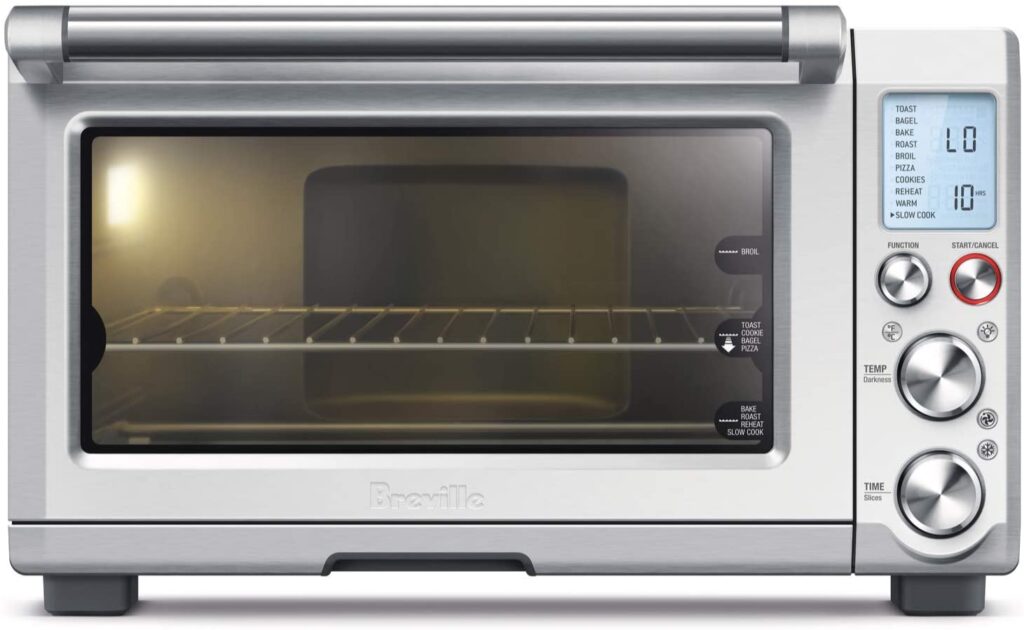
When reheating pork tenderloin, low and slow is the key. The ideal oven temperature is between 250°F (120°C) and 300°F (150°C). At this range, the meat warms evenly without overcooking the exterior or drying out the interior. Temperatures above 325°F (163°C) can cause the outer layers to toughen while the inside remains underheated. Maintaining a lower temperature allows the pork fibers to relax, retaining moisture and tenderness. Using an oven thermometer can ensure precision, as many home ovens have slight variances that could affect the reheating process.
Best Cooking Time To Reheat Pork Tenderloin In Oven
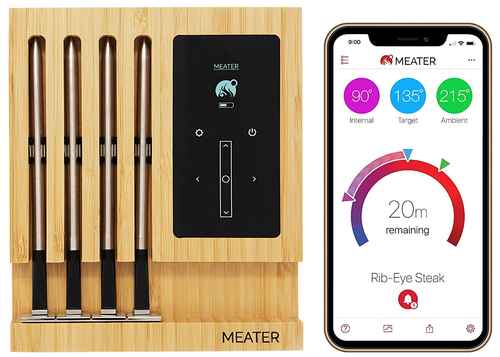
The reheating time depends largely on the size and thickness of the pork tenderloin. Generally, it takes 20 to 30 minutes to bring a standard 1-1.5 pound tenderloin to a safe serving temperature of 140-145°F (60-63°C). Larger tenderloins may require 35-40 minutes. Using a meat thermometer is critical; inserting it into the thickest part ensures the meat is warmed through without crossing into overcooked territory. Overheating beyond 150°F (65°C) risks drying out the tenderloin, while insufficient heating can leave the center too cool to enjoy safely.
How To Reheat Pork Tenderloin In Oven
- Preheat the oven to 250-300°F (120-150°C).
- Prepare the tenderloin: Slice it into 1-inch thick pieces if desired for faster reheating, or leave whole for gradual warming. Lightly brush with olive oil, melted butter, or a bit of broth to prevent drying.
- Wrap in foil: Wrapping in aluminum foil helps retain moisture, creating a steaming effect inside. For an extra layer of protection, you can place a small baking dish under the foil to catch any drips.
- Heat in the oven: Place the foil-wrapped tenderloin on a baking sheet. Check temperature after 15-20 minutes for slices or 20-30 minutes for whole tenderloin.
- Rest before serving: Allowing the meat to rest 5 minutes after reheating redistributes juices for more uniform moisture and flavor.
When Not To Reheat Pork Tenderloin In The Oven
Avoid reheating pork tenderloin if it has been stored improperly or has been sitting in the fridge for more than 3-4 days. Meat that smells sour, has an off color, or feels slimy should be discarded. Reheating cannot restore safety or quality in spoiled meat. Additionally, reheating multiple times drastically increases the risk of dryness and bacterial growth; the oven is best for a single reheating session.
Reheating Pork Tenderloin More Than Once
Repeated reheating is strongly discouraged. Each cycle exposes the meat to heat, causing protein fibers to tighten and moisture to escape. The tenderloin becomes progressively drier and less flavorful. If multiple meals are anticipated, it is better to portion the tenderloin before storing so that only the portion you plan to eat is reheated.
What If I Use A Different Oven Temperature?
Using a higher temperature, such as 350-375°F (175-190°C), will shorten the cooking time but comes with significant risk: the exterior may brown excessively and the interior may remain cold, or the meat may dry out. Conversely, temperatures below 250°F (120°C) will reheat too slowly, potentially leaving the oven running longer than necessary and causing uneven warmth. For best results, stick within the recommended 250-300°F range.
What If I Use A Different Oven Cook Time?
Shortening the cooking time without adjusting temperature usually results in an underheated center. Extending the time excessively at high heat will dry the meat. Adjustments should be made carefully and incrementally, always checking the internal temperature. The goal is a gentle, uniform warm-through, not rapid reheating.
Best Ways To Reheat Pork Tenderloin
- Oven (recommended): Retains juiciness and texture.
- Sous vide: Ideal for maintaining perfect moisture; set to 140°F (60°C).
- Skillet with cover: Works well for sliced tenderloin; add a splash of broth.
- Microwave (least recommended): Can overcook quickly and create dry patches. If used, cover slices, add moisture, and use short intervals.
Tips For Optimal Reheating Results
- Slice before reheating if you need faster results.
- Always cover the meat with foil to lock in moisture.
- Add a small amount of broth or a dab of butter for extra juiciness.
- Use a meat thermometer to check internal temperature; aim for 140-145°F (60-63°C).
- Rest meat for 5 minutes post-reheating.
- Avoid reheating more than once.
- Reheat only properly stored meat within 3-4 days.
FAQs
What Is The Best Method To Reheat Pork Tenderloin In The Oven?
The best method to reheat pork tenderloin in the oven is to preheat your oven to 325°F (165°C). Place the pork tenderloin on a baking sheet and cover it loosely with aluminum foil to prevent it from drying out. Heat for 10-15 minutes or until the internal temperature reaches 145°F (63°C), the safe temperature for reheated pork.
Should I Cover Pork Tenderloin While Reheating In The Oven?
Yes, it is recommended to cover the pork tenderloin with aluminum foil while reheating in the oven. This helps to retain moisture, preventing the meat from drying out during the reheating process.
How Long Does It Take To Reheat A Pork Tenderloin In The Oven?
Reheating a pork tenderloin in the oven typically takes about 10-15 minutes at 325°F (165°C). The exact time depends on the size and thickness of the pork tenderloin, as well as whether it’s fully thawed or cold from the fridge.
Can I Reheat Pork Tenderloin Directly From The Fridge In The Oven?
Yes, you can reheat pork tenderloin directly from the fridge in the oven. However, it may take a few extra minutes compared to reheating room-temperature pork. Make sure to check the internal temperature to ensure it reaches 145°F (63°C).
What Temperature Should The Oven Be Set To When Reheating Pork Tenderloin?
For optimal results, set the oven to 325°F (165°C) when reheating pork tenderloin. This moderate heat ensures that the meat reheats evenly without becoming overcooked or dry.
Can I Add Moisture To The Pork Tenderloin When Reheating?
Yes, adding a small amount of moisture, such as a splash of broth or water, to the pork tenderloin before covering it with foil can help maintain its juiciness. You can also place a small dish of water in the oven to create steam.
How Do I Know When The Pork Tenderloin Is Reheated Properly?
To ensure the pork tenderloin is reheated properly, use a meat thermometer. The internal temperature should reach 145°F (63°C), which is the recommended safe temperature for reheated pork. You can also check the pork for warmth by slicing into the thickest part.
Can I Reheat Leftover Pork Tenderloin In The Oven Multiple Times?
It is not recommended to reheat pork tenderloin multiple times, as each reheating increases the risk of drying out the meat and reducing its quality. It’s best to reheat only the portion you plan to consume.
Is It Safe To Reheat Pork Tenderloin More Than Once In The Oven?
Reheating pork tenderloin more than once is not advisable for food safety reasons. Repeated heating can promote bacterial growth and decrease the quality of the meat. Always reheat only what you will eat in one sitting.
What Can I Serve With Reheated Pork Tenderloin?
Reheated pork tenderloin pairs well with a variety of side dishes, such as roasted vegetables, mashed potatoes, salad, or rice. You can also serve it with a sauce or glaze to enhance the flavor of the reheated meat.