
How To Reheat Pulled Pork In Oven [FULL GUIDE]
Pulled pork, with its tender strands of smoky, slow-cooked meat, is a culinary delight that’s perfect for sandwiches, tacos, or simply enjoying on its own. Whether it’s leftover from a backyard barbecue or prepared ahead for meal prep, reheating pulled pork without compromising its texture and flavor can be surprisingly tricky. Unlike reheating steak or chicken, pulled pork requires a careful balance of heat, moisture, and time to avoid drying out the meat or creating a chewy texture. Using an oven is often the most reliable method because it allows for even, controlled heat and the ability to maintain moisture, ensuring that your pulled pork tastes just as delicious the second time around as it did when freshly cooked.
Contents
- 1 Best Temperature To Reheat Pulled Pork In Oven
- 2 Best Cooking Time To Reheat Pulled Pork In Oven
- 3 How To Reheat Pulled Pork In Oven
- 4 When Not To Reheat Pulled Pork In The Oven
- 5 Reheating Pulled Pork More Than Once
- 6 What If I Use A Different Oven Temperature?
- 7 What If I Use A Different Oven Cook Time?
- 8 Best Ways To Reheat Pulled Pork
- 9 Tips For Optimal Reheating Results
- 10 FAQs
- 10.1 What Is The Best Temperature To Reheat Pulled Pork In The Oven?
- 10.2 Should I Cover The Pulled Pork When Reheating It In The Oven?
- 10.3 How Long Should I Reheat Pulled Pork In The Oven?
- 10.4 At What Internal Temperature Should Pulled Pork Be Reheated?
- 10.5 Can I Reheat Pulled Pork From Frozen In The Oven?
- 10.6 How Do I Prevent Pulled Pork From Drying Out When Reheating?
- 10.7 Can I Add BBQ Sauce While Reheating Pulled Pork In The Oven?
- 10.8 Is It Better To Reheat Pulled Pork In The Oven Or Microwave?
- 10.9 Should I Use A Baking Dish Or A Sheet Pan To Reheat Pulled Pork?
- 10.10 Can I Reheat Pulled Pork In The Oven Without Foil?
Best Temperature To Reheat Pulled Pork In Oven
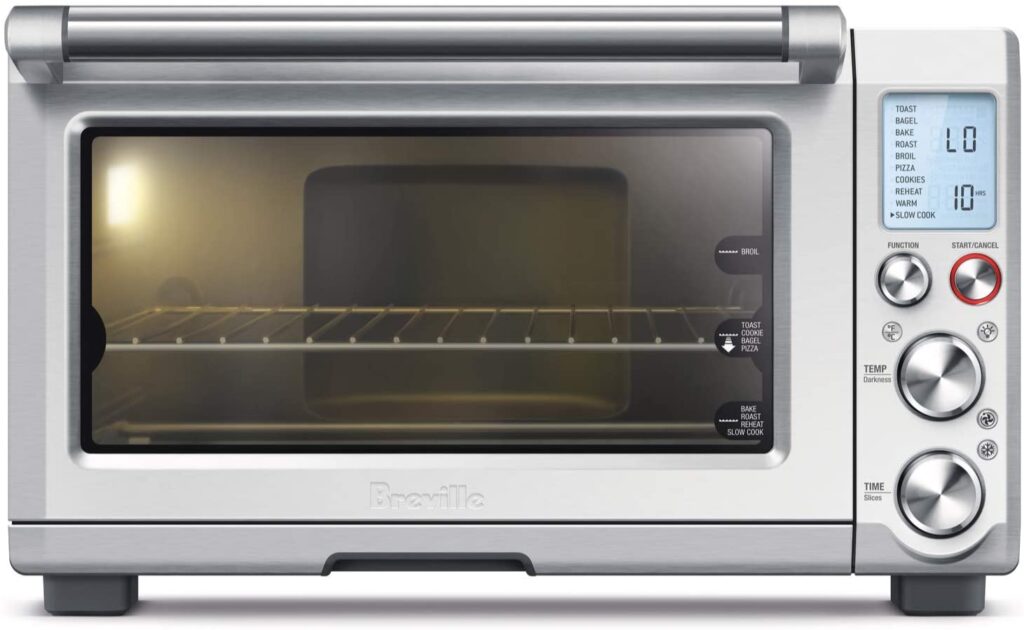
Temperature control is the cornerstone of successfully reheating pulled pork. Too high a temperature can dry out the meat, while too low may leave it cold in the center or take an unnecessarily long time. The optimal oven temperature for reheating pulled pork is around 250°F to 275°F (121°C to 135°C).
At this relatively low temperature, the heat gently penetrates the pork, slowly warming it through without causing the protein fibers to contract too aggressively, which is what leads to dryness. If the pork has been refrigerated, starting at the lower end of this temperature range is preferable, as it allows the meat to gradually reach serving temperature while retaining its natural juices.
For those who prefer a slightly quicker approach, 300°F (149°C) can be used, but caution is needed-this higher temperature reduces reheating time but increases the risk of losing moisture unless the meat is carefully covered or basted with sauce.
Best Cooking Time To Reheat Pulled Pork In Oven
Cooking time is directly linked to both the quantity of meat and the temperature you choose. On average, pulled pork takes between 25 and 45 minutes to reheat in a 250°F-275°F oven.
Here’s a general guideline:
- Small portions (1-2 cups): 25-30 minutes
- Medium portions (3-4 cups): 35-40 minutes
- Large portions (5+ cups or a full roast): 40-45 minutes
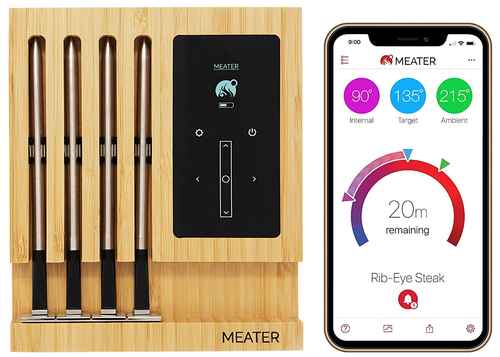
It’s crucial to check the internal temperature rather than relying solely on time. Pulled pork should reach an internal temperature of 165°F (74°C) for safe consumption. Using a meat thermometer ensures the pork is thoroughly heated without overshooting into dry, stringy territory.
How To Reheat Pulled Pork In Oven
Reheating pulled pork in the oven involves a few key steps for optimal results:
- Preheat the oven: Set your oven to 250°F-275°F.
- Prepare the meat: Place the pulled pork in an oven-safe dish. For extra moisture, add 1-2 tablespoons of liquid per cup of pork. Suitable liquids include apple juice, broth, or even a bit of barbecue sauce.
- Cover tightly: Use aluminum foil to cover the dish completely. This traps steam and prevents the pork from drying out.
- Bake: Place the dish in the oven and allow the pork to reheat gradually. Stir halfway through if the portion is large to ensure even warming.
- Check the temperature: Use a meat thermometer to confirm the internal temperature has reached 165°F (74°C).
- Serve: Once heated through, fluff the pork with a fork to restore its pulled texture and serve immediately.
When Not To Reheat Pulled Pork In The Oven
There are situations where reheating pulled pork in the oven is not ideal. For example:
- Small individual servings: Using an oven for a single sandwich portion may be overkill and could dry the meat faster than a microwave or stovetop method.
- Already dry pork: If the pork has lost moisture during storage, reheating in an oven without adding liquid may exacerbate dryness.
- Time constraints: If you’re in a hurry, the oven method may be too slow compared to a skillet or microwave.
In these cases, alternative reheating methods may be more practical.
Reheating Pulled Pork More Than Once
Repeatedly reheating pulled pork is not recommended. Each reheating cycle causes the meat to lose moisture and break down further, leading to dryness and loss of flavor. If you must reheat more than once:
- Do so gently: Stick to low temperatures and use added liquid to maintain moisture.
- Reheat only the portion you plan to consume: Avoid reheating the entire batch multiple times.
- Store safely: Refrigerate or freeze promptly after the initial cooking or reheating to prevent bacterial growth.
What If I Use A Different Oven Temperature?
Using a higher oven temperature will speed up reheating but comes with trade-offs:
- 325°F-350°F (163°C-177°C): Pork will heat faster, in 15-25 minutes, but there’s a higher risk of drying out the meat if not covered or basted.
- Below 250°F (121°C): This will slow reheating significantly, potentially taking over an hour, but can help preserve moisture if time allows.
In essence, lower and slower is generally better for pulled pork.
What If I Use A Different Oven Cook Time?
Altering cook time can have similar effects:
- Shorter time: May result in unevenly heated pork, with cold spots in the center.
- Longer time: If the pork is uncovered, it risks drying out; if covered with foil and occasionally basted, it can safely retain moisture.
Always monitor internal temperature to avoid under- or overcooking.
Best Ways To Reheat Pulled Pork
While the oven is highly effective, other methods can also produce excellent results depending on quantity and time:
- Microwave: Quick, ideal for single servings. Add moisture and cover to avoid dryness.
- Stovetop: Heat in a skillet with a splash of liquid, stirring frequently. Good for small to medium portions.
- Slow cooker: Perfect for larger quantities, allowing the pork to heat gently over 1-2 hours while retaining moisture.
Each method requires attention to moisture and internal temperature for the best outcome.
Tips For Optimal Reheating Results
- Add moisture: Even a small amount of broth, water, or barbecue sauce helps prevent dryness.
- Cover tightly: Foil or a lid traps steam and evenly reheats the meat.
- Stir occasionally: For large portions, stirring halfway through ensures even heating.
- Use a thermometer: Aim for 165°F (74°C) for safe and thorough reheating.
- Serve immediately: Pulled pork tastes best right after reheating; prolonged resting can cool it and affect texture.
FAQs
What Is The Best Temperature To Reheat Pulled Pork In The Oven?
The best temperature to reheat pulled pork in the oven is 250°F (120°C). This low and slow approach ensures the pork reheats evenly without drying out.
Should I Cover The Pulled Pork When Reheating It In The Oven?
Yes, covering the pulled pork with aluminum foil helps retain moisture and prevents it from drying out while reheating.
How Long Should I Reheat Pulled Pork In The Oven?
Reheating pulled pork in the oven typically takes 20-30 minutes, depending on the amount and thickness of the meat. You should check the internal temperature to ensure it’s heated through.
At What Internal Temperature Should Pulled Pork Be Reheated?
Pulled pork should be reheated to an internal temperature of 165°F (74°C) to ensure it is safe to eat and thoroughly heated.
Can I Reheat Pulled Pork From Frozen In The Oven?
Yes, you can reheat pulled pork from frozen in the oven. However, it’s best to let it thaw overnight in the refrigerator for even heating. If reheating from frozen, it will take longer, typically 40-60 minutes.
How Do I Prevent Pulled Pork From Drying Out When Reheating?
To prevent pulled pork from drying out, add a little moisture, such as broth or sauce, to the meat before covering it with foil. Reheat it at a low temperature to keep it tender.
Can I Add BBQ Sauce While Reheating Pulled Pork In The Oven?
Yes, adding BBQ sauce can enhance the flavor while reheating. Pour some sauce over the pork before covering it with foil to lock in the moisture.
Is It Better To Reheat Pulled Pork In The Oven Or Microwave?
Reheating pulled pork in the oven is generally better for maintaining the texture and flavor. The microwave can dry it out or make it tough, while the oven allows for even, gentle reheating.
Should I Use A Baking Dish Or A Sheet Pan To Reheat Pulled Pork?
A baking dish is ideal for reheating pulled pork in the oven, especially if you plan to add moisture or sauce. A sheet pan can be used if you want to avoid excess moisture, but a dish helps retain it.
Can I Reheat Pulled Pork In The Oven Without Foil?
While you can reheat pulled pork without foil, it may dry out more quickly. Using foil helps to trap moisture and keep the pork tender during reheating.