
How To Reheat Pumpkin Pie In Oven [FULL GUIDE]
Pumpkin pie is an iconic dessert that defines the essence of fall, evoking memories of family gatherings, Thanksgiving dinners, and crisp autumn evenings. Its velvety filling, rich with spices like cinnamon, nutmeg, and cloves, paired with a perfectly flaky crust, makes it a treat worth savoring. However, enjoying pumpkin pie at its peak flavor often means dealing with leftovers. Reheating pumpkin pie may seem simple, but doing it incorrectly can result in a soggy crust, dry filling, or uneven warmth, diminishing the very qualities that make it irresistible. Mastering the art of reheating ensures that every bite retains its original texture, flavor, and aroma, transforming leftovers into a near-fresh experience.
Contents
- 1 Best Temperature To Reheat Pumpkin Pie In Oven
- 2 Best Cooking Time To Reheat Pumpkin Pie In Oven
- 3 How To Reheat Pumpkin Pie In Oven
- 4 When Not To Reheat Pumpkin Pie In The Oven
- 5 Reheating Pumpkin Pie More Than Once
- 6 What If I Use A Different Oven Temperature?
- 7 What If I Use A Different Oven Cook Time?
- 8 Best Ways To Reheat Pumpkin Pie
- 9 Tips For Optimal Reheating Results
- 10 FAQs
- 10.1 What Is The Best Way To Reheat Pumpkin Pie In The Oven?
- 10.2 Should I Cover Pumpkin Pie With Foil When Reheating?
- 10.3 How Long Does It Take To Reheat A Whole Pumpkin Pie In The Oven?
- 10.4 Can I Reheat A Slice Of Pumpkin Pie Instead Of The Whole Pie?
- 10.5 Is It Necessary To Preheat The Oven When Reheating Pumpkin Pie?
- 10.6 Can I Reheat Pumpkin Pie Straight From The Refrigerator?
- 10.7 Can I Reheat Pumpkin Pie At A Higher Temperature To Save Time?
- 10.8 How Do I Know When The Pumpkin Pie Is Fully Reheated?
- 10.9 Can Reheating Pumpkin Pie In The Oven Change Its Texture?
- 10.10 Can I Reheat Pumpkin Pie With A Whipped Cream Topping?
Best Temperature To Reheat Pumpkin Pie In Oven
Choosing the correct oven temperature is crucial to preserving the integrity of your pumpkin pie. The ideal temperature is 325°F (163°C). This moderate heat is perfect for gently warming the pie without overcooking the delicate custard filling or burning the crust. Temperatures above 350°F (177°C) risk drying out the filling, creating cracks or a rubbery texture. Conversely, reheating at lower temperatures, such as 275°F (135°C), can work, but it requires patience, as the warming process takes longer and may not crisp the crust adequately.

For pies with a store-bought or delicate crust, maintaining this lower, controlled heat is even more important to prevent the crust from becoming overly dark or crumbly. Using a foil tent over the pie edges can also protect them from excessive browning while the interior warms evenly.
Best Cooking Time To Reheat Pumpkin Pie In Oven
The reheating time depends on whether the pie is refrigerated or at room temperature and its size. Generally, 20-25 minutes is ideal for a standard 9-inch pie straight from the fridge. A room-temperature pie may only need 10-15 minutes.
The goal is to warm the filling to around 140°F (60°C), which ensures a creamy, silky texture without overheating it to the point of curdling. Checking the internal temperature with a kitchen thermometer is highly recommended for precision. Overheating can cause the filling to crack or dry, while underheating leaves it lukewarm and unappetizing.
How To Reheat Pumpkin Pie In Oven
- Preheat your oven to 325°F (163°C).
- Prepare the pie: Remove any whipped cream or garnishes that shouldn’t be baked. Cover the pie loosely with aluminum foil to prevent the crust edges from burning.
- Place the pie on a baking sheet: This ensures even heat distribution and makes handling easier.
- Reheat: Place in the oven for 20-25 minutes for chilled pies, or 10-15 minutes for room-temperature pies.
- Check for doneness: The filling should feel warm and slightly jiggly in the center, and the internal temperature should reach around 140°F (60°C).
- Cool slightly before serving: Letting the pie rest for 5-10 minutes allows the filling to stabilize, making slicing easier and preventing a runny mess.
When Not To Reheat Pumpkin Pie In The Oven
Some circumstances make reheating in the oven inadvisable:
- Overripe or spoiled pies: If the pie has been left out too long, particularly if it contains dairy, reheating is unsafe.
- Frozen pies that haven’t thawed: Reheating a fully frozen pie directly in the oven can cause the filling to remain frozen in the center while the crust burns.
- Pies with delicate toppings: If your pumpkin pie is adorned with meringue, whipped cream, or caramel, the oven’s heat can melt or scorch these toppings. Opt for alternative reheating methods or serve cold.
Reheating Pumpkin Pie More Than Once
Reheating pumpkin pie multiple times is not recommended. Each reheating cycle can degrade the texture: the crust becomes soggy, and the filling can dry out or develop an unpleasant grainy consistency. If you anticipate multiple servings over several days, consider reheating only the slice you intend to eat and keeping the rest refrigerated until needed. This preserves both flavor and texture.
What If I Use A Different Oven Temperature?
- Higher temperatures (350-375°F / 177-190°C): The crust may brown too quickly or burn before the filling is adequately warmed. The filling risks curdling or drying.
- Lower temperatures (275-300°F / 135-149°C): The pie warms more gently, which can prevent overcooking, but the process is slower. The crust may not crisp up, leaving it soft or slightly chewy.
Adapting cooking time to temperature is key. Higher temperatures require shorter reheating times, while lower temperatures need longer durations for even warming.
What If I Use A Different Oven Cook Time?
Altering cooking time can significantly impact results:
- Shorter reheating times: May leave the pie cool or unevenly warmed, particularly in the center.
- Longer reheating times: Can dry out the filling, cause cracking, or over-brown the crust.
Always pair temperature and time adjustments carefully. Using a thermometer to check the filling’s warmth ensures precision and consistency.
Best Ways To Reheat Pumpkin Pie
- Oven (preferred): Preserves texture, aroma, and flavor. Use the methods described above.
- Microwave (quick option): Heat slices individually on low power for 30-60 seconds, though this may soften the crust.
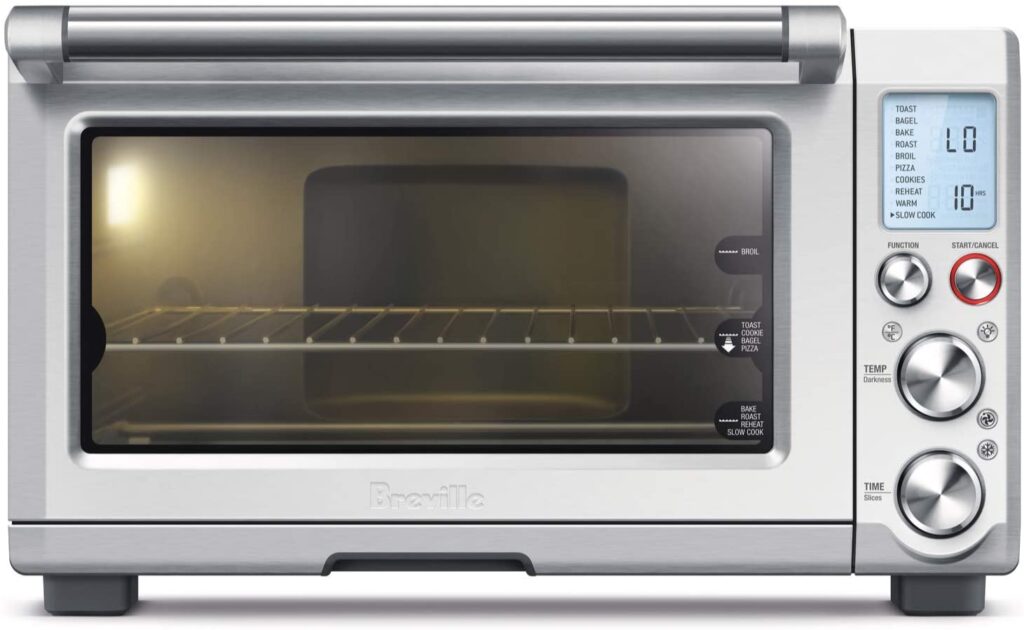
- Toaster oven: Functions like a mini oven for smaller pies or slices. Use 325°F (163°C) and check frequently.
Among these, the conventional oven method is the most reliable for maintaining the pie’s original quality.
Tips For Optimal Reheating Results
- Cover edges with foil: Prevents over-browning while allowing the filling to warm.
- Avoid direct heat on toppings: Remove whipped cream or meringue before reheating.
- Use a baking sheet: Catches spills and allows even heat circulation.
- Check internal temperature: 140°F (60°C) ensures the perfect balance of warmth and creaminess.
- Reheat only what you need: Slices retain quality better than the whole pie when reheated multiple times.
- Rest after reheating: Helps the filling stabilize and makes slicing cleaner.
FAQs
What Is The Best Way To Reheat Pumpkin Pie In The Oven?
The best method is to preheat your oven to 350°F (175°C), cover the pie loosely with aluminum foil to prevent the crust from burning, and bake for 15-20 minutes until warmed through.
Should I Cover Pumpkin Pie With Foil When Reheating?
Yes, covering the pie with foil helps prevent the crust from becoming too dark or dry while allowing the filling to heat evenly.
How Long Does It Take To Reheat A Whole Pumpkin Pie In The Oven?
A whole pumpkin pie generally takes 20-25 minutes to reheat at 350°F (175°C). You should check after 15 minutes to ensure it doesn’t overheat.
Can I Reheat A Slice Of Pumpkin Pie Instead Of The Whole Pie?
Yes, reheating individual slices takes less time, usually 10-15 minutes at 350°F (175°C). Covering the slice with foil is recommended to prevent drying.
Is It Necessary To Preheat The Oven When Reheating Pumpkin Pie?
Yes, preheating ensures the pie warms evenly and prevents the crust from becoming soggy or unevenly cooked.
Can I Reheat Pumpkin Pie Straight From The Refrigerator?
Yes, but you may need to extend the reheating time by 5-10 minutes to ensure the center is warmed thoroughly.
Can I Reheat Pumpkin Pie At A Higher Temperature To Save Time?
It is not recommended because high temperatures can cause the crust to burn or the filling to crack. Stick to 325-350°F (160-175°C) for best results.
How Do I Know When The Pumpkin Pie Is Fully Reheated?
The filling should be hot and slightly jiggly in the center but not runny. You can insert a knife into the center; it should come out warm, not cold.
Can Reheating Pumpkin Pie In The Oven Change Its Texture?
If done properly, the texture should remain creamy and smooth. Overheating can cause the filling to become dry or the crust to harden.
Can I Reheat Pumpkin Pie With A Whipped Cream Topping?
It is best to remove any whipped cream before reheating, as it will melt and lose its texture. Reapply fresh whipped cream after the pie is warm.