
How To Reheat Ribeye Steak In Oven [FULL GUIDE]
Ribeye steak is one of the most succulent and flavorful cuts of beef, celebrated for its marbling, tenderness, and rich, beefy taste. While a perfectly cooked ribeye is a culinary delight on its own, leftovers are inevitable. However, reheating ribeye steak is a delicate process: do it incorrectly, and you risk ending up with a dry, tough, or overcooked slab of meat. Unlike thinner cuts or ground beef, ribeye demands precise control over temperature and timing to preserve its juiciness, flavor, and texture. The oven is one of the most reliable methods for reheating ribeye, allowing even heat distribution while gently warming the meat without sacrificing quality. Understanding the ideal temperature, timing, and techniques is crucial to restoring your steak to near-original perfection.
Contents
- 1 Best Temperature To Reheat Ribeye Steak In Oven
- 2 Best Cooking Time To Reheat Ribeye Steak In Oven
- 3 How To Reheat Ribeye Steak In Oven
- 4 When Not To Reheat Ribeye Steak In The Oven
- 5 Reheating Ribeye Steak More Than Once
- 6 What If I Use A Different Oven Temperature?
- 7 What If I Use A Different Oven Cook Time?
- 8 Best Ways To Reheat Ribeye Steak
- 9 Tips For Optimal Reheating Results
- 10 FAQs
- 10.1 What Is The Best Oven Temperature To Reheat Ribeye Steak?
- 10.2 Should I Cover The Steak While Reheating In The Oven?
- 10.3 How Long Does It Take To Reheat Ribeye Steak In The Oven?
- 10.4 What Internal Temperature Should Ribeye Steak Reach When Reheated?
- 10.5 Can I Sear The Ribeye After Reheating In The Oven?
- 10.6 Should I Let The Steak Rest After Reheating?
- 10.7 Is It Safe To Reheat Ribeye Steak In The Oven More Than Once?
- 10.8 Can I Reheat Ribeye Steak From Frozen In The Oven?
- 10.9 Should I Add Oil, Butter, Or Broth When Reheating Ribeye In The Oven?
- 10.10 How Do I Prevent The Ribeye Steak From Overcooking In The Oven?
Best Temperature To Reheat Ribeye Steak In Oven
The key to reheating ribeye in the oven is low and slow heat. Too high a temperature will continue cooking the steak beyond your desired doneness, causing it to dry out. Conversely, too low a temperature may extend cooking time unnecessarily and compromise texture.
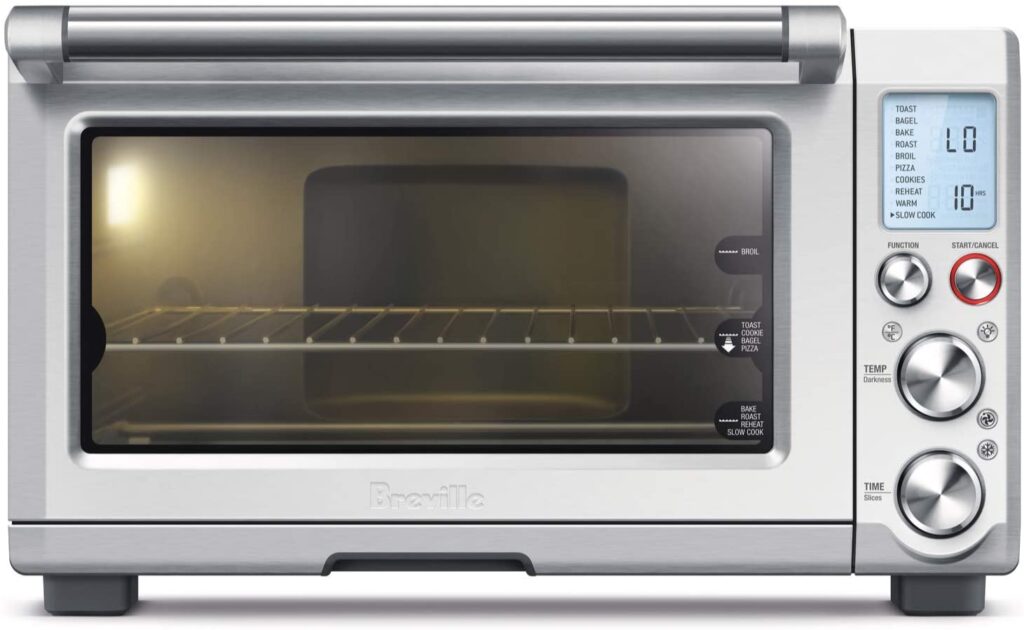
The optimal oven temperature for reheating ribeye is 250°F (120°C). At this moderate temperature, the steak warms evenly from edge to center without overcooking, preserving both its tender texture and juicy interior. This temperature allows the natural fats within the marbling to gently melt, enhancing flavor and moisture retention. For slightly thicker cuts of ribeye, this low-and-slow approach ensures that the internal temperature rises evenly without creating a tough, rubbery exterior.
Best Cooking Time To Reheat Ribeye Steak In Oven
Cooking time is inherently linked to thickness and initial doneness. As a general rule:
- 1-inch thick steak: 20-25 minutes
- 1.5-inch thick steak: 25-30 minutes
- 2-inch thick steak: 30-35 minutes
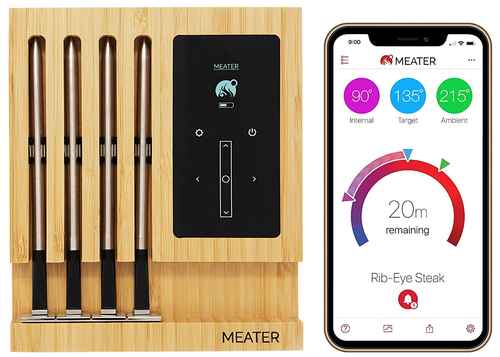
These times are meant for steaks that were previously cooked to medium-rare or medium. To ensure optimal results, use a meat thermometer: the ideal internal temperature when reheated should be around 110-130°F (43-54°C) depending on your preferred doneness. This allows for a gentle heat-up without pushing the steak into overcooked territory.
How To Reheat Ribeye Steak In Oven
- Preheat the oven to 250°F (120°C).
- Prepare the steak by letting it rest at room temperature for 10-15 minutes. This step ensures even warming.
- Place the steak on a wire rack over a baking sheet. The wire rack allows hot air to circulate, ensuring even reheating and preventing soggy undersides.
- Insert a meat thermometer into the thickest part of the steak.
- Bake slowly, monitoring until the internal temperature reaches 110-130°F (43-54°C), depending on desired doneness.
- Optional sear: For a fresh-from-the-grill crust, finish the steak with a quick 1-2 minute sear in a preheated cast-iron skillet with a small amount of oil. This restores caramelized exterior flavors.
- Rest before serving: Let the steak rest for 3-5 minutes to allow juices to redistribute.
When Not To Reheat Ribeye Steak In The Oven
While the oven is generally safe for reheating ribeye, there are scenarios where it is not ideal:
- Thin cuts (<1 inch): These may overcook too quickly and become dry.
- Already well-done steaks: Reheating will further dry the meat.
- Frozen steaks without thawing: Directly placing frozen ribeye in the oven risks uneven heating. Always thaw first for best results.
- When rapid reheating is required: The oven is slower than alternatives like a skillet or sous-vide method.
Reheating Ribeye Steak More Than Once
Reheating ribeye multiple times is generally discouraged. Each cycle of heating drives moisture out of the meat and degrades texture. If unavoidable:
- Only reheat once; divide leftovers into single portions to avoid multiple reheating cycles.
- Use gentle heat to minimize further cooking.
- Keep temperature low (no more than 250°F) to reduce risk of toughness.
Repeated reheating can transform a beautifully marbled ribeye into a chewy, dry steak that fails to deliver the original flavor experience.
What If I Use A Different Oven Temperature?
Adjusting oven temperature directly affects texture and moisture:
- Higher temperatures (>300°F / 150°C): Speeds up reheating but increases risk of overcooking, particularly for thinner steaks. The exterior may toughen while the interior remains unevenly heated.
- Lower temperatures (<225°F / 107°C): Gentle and safe, but significantly increases cooking time. Extended heating may dry out the steak if left unattended.
The key is to balance speed with preservation of tenderness, so the recommended 250°F remains the sweet spot.
What If I Use A Different Oven Cook Time?
Cooking time is equally critical. Undercooking results in cold, uneven meat, while overcooking dries out the steak. If using a different time:
- Shorter times: Check internal temperature frequently; a quick sear in a skillet afterward can help finish warming.
- Longer times: Ensure the steak is covered loosely with foil to prevent drying out. Resting afterward helps redistribute moisture.
Time adjustments should always be guided by internal temperature rather than clock time alone.
Best Ways To Reheat Ribeye Steak
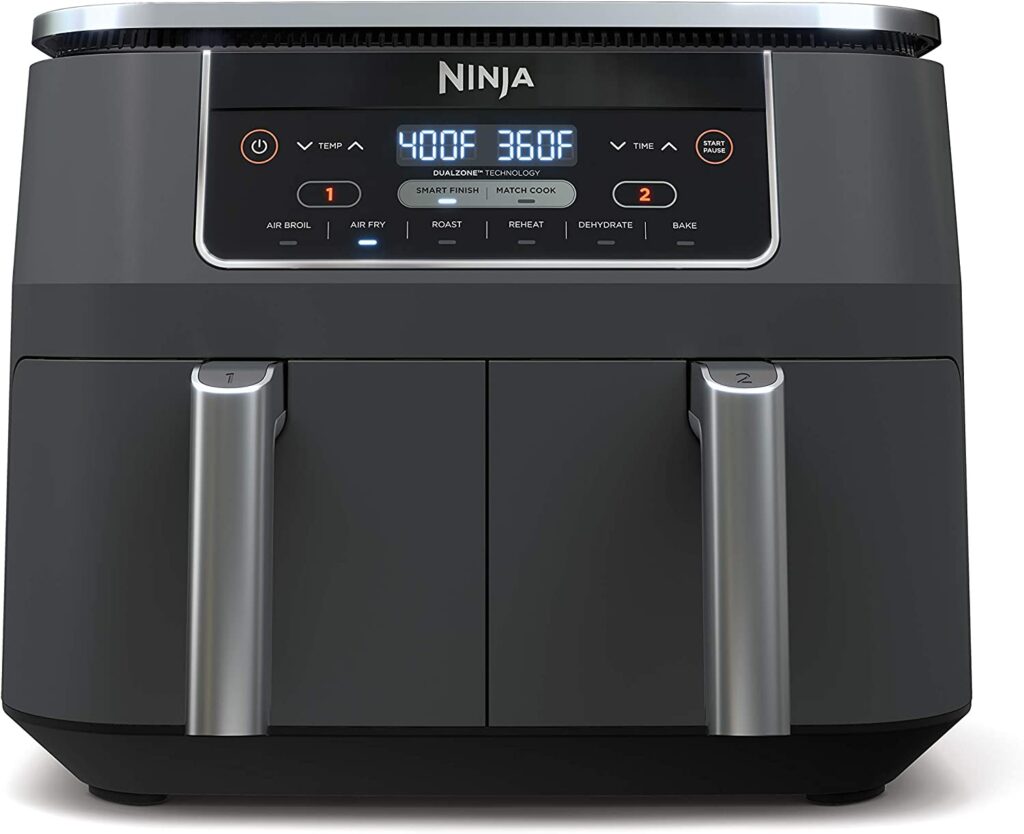
While the oven is excellent, alternatives exist:
- Sous-vide method: Immersing in a warm water bath (130°F / 54°C) preserves moisture perfectly.
- Skillet or cast iron: Quick pan reheating over medium-low heat, often combined with butter basting, adds flavor.
- Microwave (least recommended): Use only if necessary, on medium power, with a damp paper towel to retain moisture.
Each method has trade-offs in texture, flavor, and speed, but the oven remains the most reliable for evenly reheated, tender ribeye.
Tips For Optimal Reheating Results
- Bring steak to room temperature before reheating to avoid uneven heating.
- Use a meat thermometer to track internal temperature accurately.
- Use a wire rack to allow hot air circulation.
- Avoid covering tightly with foil during initial reheating to maintain crust integrity.
- Optional finishing sear restores the exterior’s Maillard reaction flavor.
- Rest the steak after reheating to allow juices to redistribute.
Following these steps ensures the steak is warm, tender, and flavorful without sacrificing quality.
FAQs
What Is The Best Oven Temperature To Reheat Ribeye Steak?
The ideal oven temperature for reheating ribeye steak is low and slow, typically between 250°F (120°C) and 275°F (135°C). This allows the steak to heat evenly without overcooking or drying out the meat.
Should I Cover The Steak While Reheating In The Oven?
Yes, covering the steak loosely with aluminum foil helps retain moisture and prevents the surface from drying out or becoming tough during reheating.
How Long Does It Take To Reheat Ribeye Steak In The Oven?
Reheating a ribeye steak in the oven usually takes 20 to 30 minutes, depending on the thickness of the steak. Thicker cuts may require additional time to reach the desired internal temperature.
What Internal Temperature Should Ribeye Steak Reach When Reheated?
The steak should be reheated to an internal temperature of 110°F to 130°F (43°C to 54°C) for medium-rare to medium doneness. Using a meat thermometer ensures accurate results and prevents overcooking.
Can I Sear The Ribeye After Reheating In The Oven?
Yes, after reheating, searing the steak for 1-2 minutes per side in a hot skillet can restore a crispy crust and enhance flavor without significantly affecting the internal temperature.
Should I Let The Steak Rest After Reheating?
Absolutely. Allowing the steak to rest for 3-5 minutes after reheating lets the juices redistribute, ensuring the meat stays tender and flavorful.
Is It Safe To Reheat Ribeye Steak In The Oven More Than Once?
It is not recommended to reheat steak multiple times. Repeated reheating increases the risk of bacterial growth and significantly reduces quality, making the steak tough and dry.
Can I Reheat Ribeye Steak From Frozen In The Oven?
Yes, but it requires additional time. Reheating from frozen is best done at a low temperature (250°F) and may take 30-40 minutes or longer, depending on thickness, until the internal temperature reaches 110°F to 130°F.
Should I Add Oil, Butter, Or Broth When Reheating Ribeye In The Oven?
Adding a small amount of butter or beef broth can help maintain moisture and enhance flavor. Lightly brushing the steak or adding a few tablespoons of liquid to the baking dish can prevent drying.
How Do I Prevent The Ribeye Steak From Overcooking In The Oven?
Use a low oven temperature, monitor the internal temperature with a thermometer, cover the steak with foil, and avoid reheating for longer than necessary. These steps help preserve the steak’s tenderness and juiciness.