
How To Reheat Roast Beef In Oven [FULL GUIDE]
Roast beef, with its tender texture and rich, savory flavor, is a centerpiece of many meals, from Sunday dinners to festive gatherings. However, one common challenge is reheating it without compromising its juiciness, flavor, and tenderness. Unlike simpler meats, roast beef can easily become dry, tough, or overcooked if not reheated carefully. Reheating in the oven is often the preferred method because it allows for gentle, even warming, preserving the natural moisture and texture of the meat. This guide explores the best practices, ideal temperatures, cooking times, and techniques to achieve perfectly reheated roast beef, ensuring that leftovers taste almost as delightful as when freshly cooked.
Contents
- 1 Best Temperature To Reheat Roast Beef In Oven
- 2 Best Cooking Time To Reheat Roast Beef In Oven
- 3 How To Reheat Roast Beef In Oven
- 4 When Not To Reheat Roast Beef In The Oven
- 5 Reheating Roast Beef More Than Once
- 6 What If I Use A Different Oven Temperature?
- 7 What If I Use A Different Oven Cook Time?
- 8 Best Ways To Reheat Roast Beef
- 9 Tips For Optimal Reheating Results
- 10 FAQs
- 10.1 What Is The Best Temperature To Reheat Roast Beef In The Oven?
- 10.2 Should I Cover The Roast Beef While Reheating In The Oven?
- 10.3 How Long Does It Take To Reheat Roast Beef In The Oven?
- 10.4 Can I Reheat Roast Beef From Frozen In The Oven?
- 10.5 Should I Add Liquid When Reheating Roast Beef In The Oven?
- 10.6 Can I Reheat Roast Beef Slices And A Whole Roast The Same Way?
- 10.7 How Can I Tell If The Roast Beef Is Properly Reheated?
- 10.8 Can I Use High Heat To Reheat Roast Beef Faster?
- 10.9 How Can I Retain The Roast Beef’s Juiciness When Reheating?
- 10.10 Is It Safe To Reheat Roast Beef Multiple Times In The Oven?
Best Temperature To Reheat Roast Beef In Oven
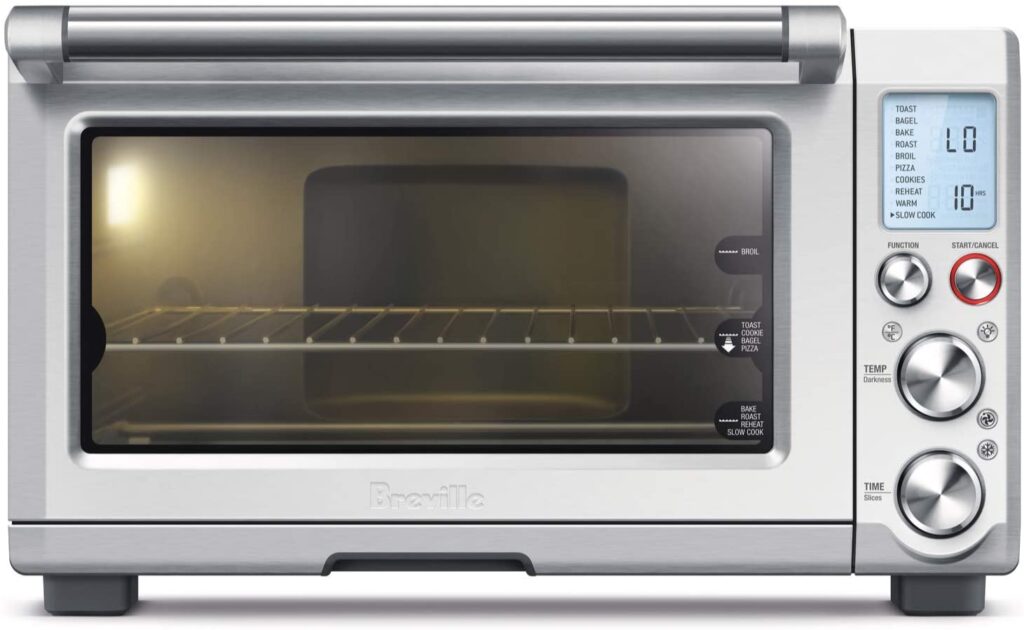
Selecting the correct oven temperature is critical to retaining the roast beef’s juiciness while avoiding overcooking. The recommended temperature range for reheating roast beef is 250°F to 300°F (120°C to 150°C). This low-and-slow approach gently warms the meat throughout without aggressively cooking the exterior, which can cause dryness and toughness.
- 250°F (120°C): Ideal for very thick cuts or when reheating a large roast. This temperature ensures the meat warms gradually, minimizing moisture loss.
- 275°F (135°C): A balanced temperature suitable for most standard-sized slices or small roasts. It heats efficiently while still protecting tenderness.
- 300°F (150°C): Best for faster reheating when pressed for time, but requires close monitoring to prevent the outer layers from drying out.
Avoid higher temperatures (above 325°F / 160°C), as they tend to cook the meat further rather than gently warming it, which can result in a dry, chewy texture.
Best Cooking Time To Reheat Roast Beef In Oven
The cooking time will depend on the thickness of your roast beef and whether it’s a whole roast or sliced. Generally, reheating at 250°F to 300°F requires:
- Sliced roast beef: 10-15 minutes per pound. Slices are thinner and reheat faster, so frequent checks are important to avoid overcooking.
- Whole roast or thick cuts: 20-30 minutes per pound. Thicker portions need more time to allow heat to penetrate to the center.
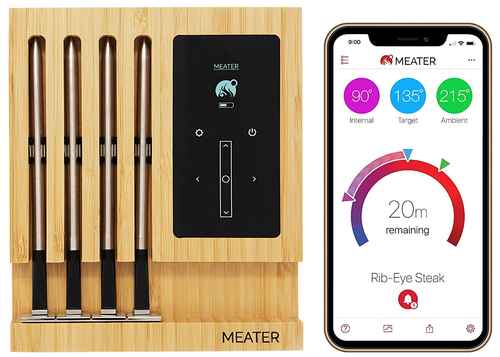
For both methods, using a meat thermometer is highly recommended. Roast beef should reach an internal temperature of around 120°F to 130°F (49°C to 54°C) for medium-rare, or 135°F (57°C) for medium. This ensures it is safely warmed without losing its tender, juicy texture.
How To Reheat Roast Beef In Oven
- Preheat the oven: Set it to the desired low temperature (250°F-300°F).
- Prepare the roast: Remove the roast beef from the refrigerator and let it sit for 10-15 minutes to take the chill off, ensuring even reheating.
- Wrap or cover: Wrap the meat in foil to trap moisture, or place it in an oven-safe dish covered with foil. Optionally, add a splash of beef broth or water to maintain juiciness.
- Reheat: Place the roast beef in the oven. For slices, check after 10 minutes; for thick cuts or whole roasts, begin checking after 20 minutes.
- Monitor internal temperature: Use a meat thermometer to ensure the beef reaches the target internal temperature.
- Rest: Once heated, allow the roast to rest for 5-10 minutes before slicing or serving to let juices redistribute.
When Not To Reheat Roast Beef In The Oven
While oven reheating is generally safe, there are instances when it is not recommended:
- Previously overcooked roast beef: Reheating will further dry out an already tough cut.
- Very thin or shaved slices: Oven reheating may overcook these quickly; a stovetop pan or microwave with careful attention may be better.
- Extensive reheating history: If the beef has been reheated multiple times, oven reheating can amplify dryness and toughness.
In these cases, alternative methods such as slow simmering in broth or using a gentle pan heat are preferable.
Reheating Roast Beef More Than Once
Reheating roast beef more than once is strongly discouraged. Every cycle of reheating further removes moisture, toughens the meat, and increases the risk of bacterial growth. If multiple reheatings are unavoidable, it is best to reheat only the portion you plan to serve and keep the remaining meat chilled properly.
What If I Use A Different Oven Temperature?
Adjusting the oven temperature has direct consequences on the texture and moisture of your roast beef:
- Lower than 250°F (120°C): Will slow the process significantly but retain maximum juiciness. Monitor to prevent the meat from cooling below safe temperatures.
- Higher than 300°F (150°C): Faster reheating, but the exterior may dry out before the center warms, causing uneven results.
A higher temperature requires careful attention and potentially shorter cooking times, with moisture added via foil or broth to compensate.
What If I Use A Different Oven Cook Time?
Cook time variations affect the evenness and safety of reheated roast beef:
- Shorter time than recommended: The interior may remain cold, especially in thick cuts, leading to uneven heating and potential bacterial risk.
- Longer time than recommended: Meat may dry out and lose tenderness. Low temperatures are more forgiving for extended reheating, but it should still be monitored.
Using a thermometer is the safest way to ensure optimal reheating, regardless of time adjustments.
Best Ways To Reheat Roast Beef
- Oven method: Low temperature (250°F-300°F) with foil wrapping and optional broth for moisture. Best for even heating and texture preservation.
- Sous-vide: Heat sealed slices in a water bath at 130°F (54°C) for 20-30 minutes. Maintains perfect tenderness.
- Stovetop pan: Thin slices reheated in a skillet with a small amount of broth over low heat. Quick and controlled.
- Microwave: Only for thin slices with cover to trap steam. Least recommended for large portions due to uneven heating.
Tips For Optimal Reheating Results
- Use a meat thermometer: Ensure internal temperature hits the safe reheating range without overcooking.
- Let meat rest before reheating: Slightly warm meat reheats more evenly.
- Cover with foil or lid: Retains moisture and prevents surface dryness.
- Add liquid: Beef broth, pan juices, or a splash of water helps maintain juiciness.
- Slice after reheating: Thick cuts retain moisture better when sliced post-heating.
FAQs
What Is The Best Temperature To Reheat Roast Beef In The Oven?
The optimal temperature for reheating roast beef in the oven is 250°F (120°C). This low and slow method ensures the meat warms evenly without drying out, preserving its tenderness and flavor.
Should I Cover The Roast Beef While Reheating In The Oven?
Yes, it is recommended to cover the roast beef with aluminum foil while reheating. Covering helps retain moisture, prevents the meat from drying out, and allows it to heat evenly.
How Long Does It Take To Reheat Roast Beef In The Oven?
Reheating time depends on the size and thickness of the roast. Generally, small slices take about 15-20 minutes, while larger roasts can take 30-40 minutes at 250°F (120°C). Always check the internal temperature to ensure proper reheating.
Can I Reheat Roast Beef From Frozen In The Oven?
Yes, you can reheat roast beef from frozen, but it will take longer. First, preheat the oven to 300°F (150°C) and cover the beef with foil. Depending on size, it may take 45-60 minutes. Using a meat thermometer is essential to ensure even heating.
Should I Add Liquid When Reheating Roast Beef In The Oven?
Adding a small amount of beef broth, water, or au jus can help maintain moisture during reheating. Pour about 2-3 tablespoons over the meat before covering with foil to prevent it from drying out.
Can I Reheat Roast Beef Slices And A Whole Roast The Same Way?
No, slices and a whole roast require slightly different approaches. Slices reheat faster (15-20 minutes at 250°F), while a whole roast needs longer (30-40 minutes or more). Both benefit from covering with foil and adding a small amount of liquid.
How Can I Tell If The Roast Beef Is Properly Reheated?
The safest way to check is by using a meat thermometer. Reheated roast beef should reach an internal temperature of 120-130°F (49-54°C) for medium-rare or 140°F (60°C) for medium. The meat should be warm throughout but not overcooked.
Can I Use High Heat To Reheat Roast Beef Faster?
High heat is not recommended because it can overcook the edges while leaving the center cold. Low and slow reheating at 250°F-300°F ensures even warming and maintains tenderness and juiciness.
How Can I Retain The Roast Beef’s Juiciness When Reheating?
To retain juiciness, cover the roast with foil, add a small amount of liquid (broth or au jus), and reheat at a low temperature. Avoid reheating for too long, as prolonged heat can dry out the meat.
Is It Safe To Reheat Roast Beef Multiple Times In The Oven?
It is safe to reheat roast beef once. Repeated reheating increases the risk of bacterial growth and can negatively affect texture and flavor. Only reheat what you plan to eat immediately.