
How To Reheat Roast In Oven [FULL GUIDE]
Reheating a roast might seem like a simple task, but achieving tender, juicy meat without drying it out requires precision, patience, and technique. Whether you’re working with leftover beef, pork, or lamb, the goal is the same: preserve the original flavor, texture, and moisture while bringing the roast back to a safe and enjoyable temperature. Many home cooks make the mistake of blasting leftover meat at high heat, which often leads to a dry, tough, or unevenly warmed result. Understanding the ideal temperature, timing, and method can transform leftover roast into a meal that rivals the original. In this guide, we’ll explore every nuance of reheating roast in the oven, ensuring your leftovers are as succulent and flavorful as the first serving.
Contents
- 1 Best Temperature To Reheat Roast In Oven
- 2 Best Cooking Time To Reheat Roast In Oven
- 3 How To Reheat Roast In Oven
- 4 When Not To Reheat Roast In The Oven
- 5 Reheating Roast More Than Once
- 6 What If I Use A Different Oven Temperature?
- 7 What If I Use A Different Oven Cook Time?
- 8 Best Ways To Reheat Roast
- 9 Tips For Optimal Reheating Results
- 10 FAQs
- 10.1 What Is The Best Way To Reheat A Roast In The Oven?
- 10.2 How Do I Keep My Roast From Drying Out When Reheating It In The Oven?
- 10.3 Can I Reheat A Roast In The Oven Without Covering It?
- 10.4 How Long Should I Reheat Roast Beef In The Oven?
- 10.5 At What Temperature Should I Reheat A Roast In The Oven?
- 10.6 Should I Let The Roast Come To Room Temperature Before Reheating It?
- 10.7 How Can I Reheat A Roast Without Overcooking It?
- 10.8 Can I Reheat A Roast In The Oven And Keep It Pink In The Middle?
- 10.9 How Can I Reheat A Roast And Keep The Crust Crispy?
- 10.10 Is It Safe To Reheat A Roast Multiple Times In The Oven?
Best Temperature To Reheat Roast In Oven
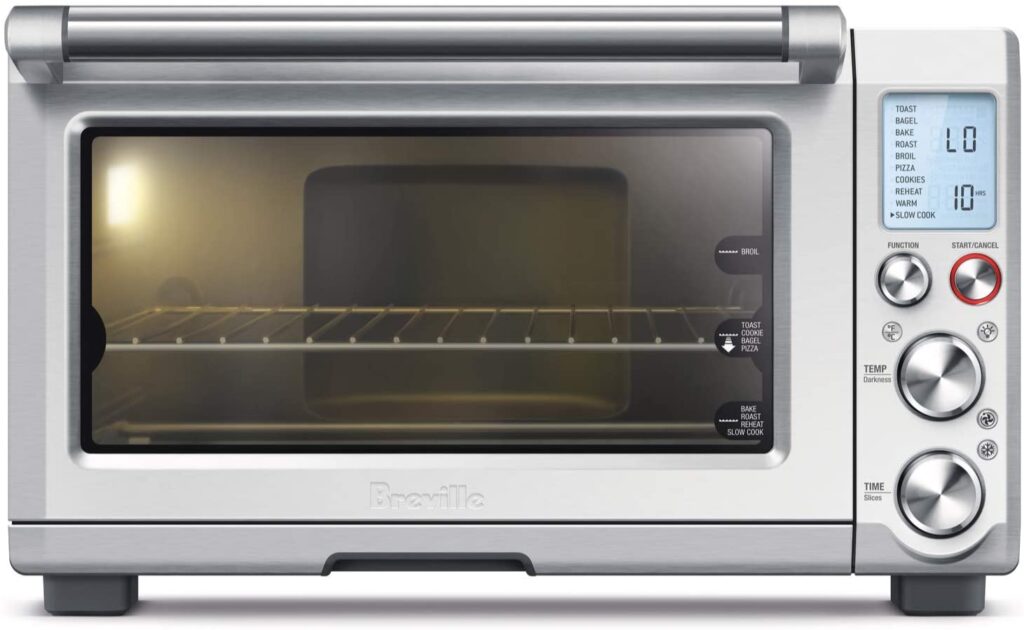
The key to perfectly reheated roast is low, controlled heat. Generally, the optimal oven temperature ranges from 250°F to 300°F (120°C to 150°C). This low-and-slow approach allows the meat to warm evenly without searing the exterior or drying out the interior.
- 250°F (120°C): Ideal for thicker cuts and larger roasts. This temperature allows heat to penetrate the meat gradually, preserving moisture.
- 275-300°F (135-150°C): Suitable for smaller portions or thinner slices. It shortens reheating time slightly while still maintaining tenderness.
High temperatures may appear faster, but they risk toughening proteins and evaporating essential juices. Low heat ensures the meat is reheated gently, maintaining its natural flavor and texture.
Best Cooking Time To Reheat Roast In Oven
Reheating time depends on the size and thickness of the roast, as well as whether it is bone-in or boneless. A general guideline is:
- Small slices or portions (1-2 inches thick): 15-25 minutes at 275°F (135°C).
- Medium roasts (2-4 pounds): 30-45 minutes at 275°F (135°C).
- Large roasts (5 pounds or more): 45-60 minutes at 250°F (120°C).
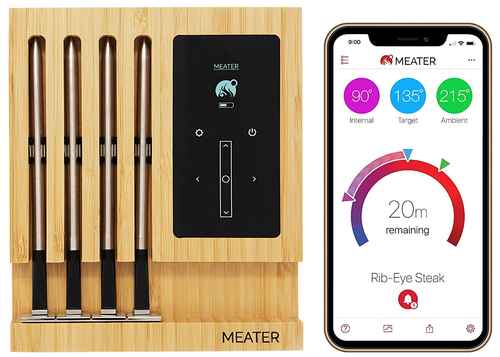
Always check the internal temperature using a meat thermometer. The target is about 165°F (74°C) for fully reheated meat that is safe to eat, but not overcooked. Remember, thicker or denser roasts require slightly longer heating to ensure even warming throughout.
How To Reheat Roast In Oven
Reheating roast in the oven involves a few key steps:
- Preheat the oven: Set your oven to the recommended temperature for your roast size.
- Prepare the roast: Place your roast in an oven-safe dish. For added moisture, add a splash of broth, stock, or water. Cover loosely with aluminum foil to trap steam and prevent the exterior from drying.
- Reheat slowly: Place the dish in the oven. Check periodically to ensure it is warming evenly.
- Check internal temperature: Use a meat thermometer to confirm the roast reaches 165°F (74°C).
- Rest before serving: Let the meat rest for 5-10 minutes after reheating. This allows juices to redistribute, improving tenderness.
This method ensures the roast remains juicy, tender, and flavorful, much like it was when freshly cooked.
When Not To Reheat Roast In The Oven
While the oven is ideal for many reheating scenarios, there are situations where it may not be the best choice:
- Thin slices of roast: Extremely thin slices can dry out quickly in the oven.
- Overcooked or already dry roast: Reheating may exacerbate dryness, making the meat tough.
- Time-sensitive meals: The oven method is slower, so if you’re in a hurry, alternative methods like the microwave with careful moisture control or stovetop reheating may be preferable.
In these cases, consider methods that use steam or gentle heat to prevent further moisture loss.
Reheating Roast More Than Once
Reheating roast multiple times is generally discouraged. Each reheating cycle causes moisture loss, protein toughening, and flavor degradation. If necessary:
- Only reheat the portion you plan to eat immediately.
- Keep leftovers properly refrigerated at or below 40°F (4°C).
- Ensure meat reaches 165°F (74°C) during reheating each time.
Frequent reheating compromises texture and safety, so limiting it to a single cycle preserves quality.
What If I Use A Different Oven Temperature?
Using a higher oven temperature (350°F or above) may speed up reheating but often at a cost:
- Faster surface drying, resulting in tough, crusty edges.
- Risk of uneven heating, where the exterior is hot but the center remains cold.
Conversely, reheating at temperatures lower than 250°F will extend cooking time dramatically, which is usually unnecessary and may dry out thin portions. The key is balancing temperature and time to maintain moisture while achieving the desired internal heat.
What If I Use A Different Oven Cook Time?
Shorter cook times may not allow the roast to warm evenly, leaving cold spots that compromise safety. Longer cook times can dry the meat and reduce tenderness. Always prioritize internal temperature over time alone, using a meat thermometer as your guide.
Best Ways To Reheat Roast
Besides the oven, alternative methods can also yield excellent results:
- Sous vide: Gentle, precise water-bath heating keeps moisture intact.
- Stovetop simmering: Slices reheated in a covered pan with broth can stay juicy.
- Microwave (with caution): Use low power and cover with a damp paper towel to prevent drying.
The oven, however, remains the most reliable method for larger roasts, balancing tenderness, flavor, and safety.
Tips For Optimal Reheating Results
- Add moisture: Broth, stock, or pan juices help prevent drying.
- Cover the meat: Foil or oven-safe lids trap steam and maintain juiciness.
- Monitor closely: Check the roast midway to prevent overcooking.
- Rest before slicing: This redistributes juices for more tender bites.
- Slice after reheating: Slicing before reheating exposes more surface area, increasing the risk of drying.
These small adjustments can dramatically improve reheated roast quality.
FAQs
What Is The Best Way To Reheat A Roast In The Oven?
The best way to reheat a roast in the oven is to preheat the oven to 300°F (150°C), cover the roast with aluminum foil to prevent it from drying out, and heat it for 20-30 minutes or until it reaches the desired temperature.
How Do I Keep My Roast From Drying Out When Reheating It In The Oven?
To prevent your roast from drying out, cover it with aluminum foil and add a small amount of broth or water to the pan before reheating. This will help maintain moisture during the reheating process.
Can I Reheat A Roast In The Oven Without Covering It?
While you can reheat a roast without covering it, doing so may lead to the meat drying out. It’s recommended to cover the roast with foil for the best results, especially if you’re reheating a lean cut.
How Long Should I Reheat Roast Beef In The Oven?
Reheat roast beef in the oven at 300°F (150°C) for about 20-30 minutes, depending on the size of the roast. For thinner cuts, check after 15 minutes, and for larger cuts, you may need up to 40 minutes.
At What Temperature Should I Reheat A Roast In The Oven?
The ideal temperature for reheating a roast in the oven is around 300°F (150°C). This low heat ensures that the roast heats evenly without becoming overcooked or dried out.
Should I Let The Roast Come To Room Temperature Before Reheating It?
Yes, it is recommended to let the roast come to room temperature before reheating it. This helps to reheat the meat more evenly, as starting from a cold state can result in uneven warming and potential drying out.
How Can I Reheat A Roast Without Overcooking It?
To reheat a roast without overcooking it, reheat at a low temperature (around 300°F), cover with foil to preserve moisture, and check frequently to ensure it doesn’t cook further. Use a meat thermometer to monitor the internal temperature.
Can I Reheat A Roast In The Oven And Keep It Pink In The Middle?
It is challenging to maintain a rare or medium-rare roast after reheating, as the internal temperature will rise. To achieve the best result, reheat at a low temperature and remove the roast from the oven as soon as it reaches the desired warmth.
How Can I Reheat A Roast And Keep The Crust Crispy?
To keep the crust crispy while reheating a roast, remove the foil in the last 10-15 minutes of reheating and increase the oven temperature to 400°F (200°C). This helps the exterior crisp up while the inside remains warm.
Is It Safe To Reheat A Roast Multiple Times In The Oven?
It is not recommended to reheat a roast multiple times, as this can lead to the meat becoming dry and tough. For best results, only reheat once and consume leftovers within a few days.