
How To Reheat Sandwich In Oven [FULL GUIDE]
A great sandwich is a small architectural marvel – layers of flavor, texture, and temperature working in harmony. But when that masterpiece goes cold, soggy, or stiff in the fridge, reheating it the wrong way can ruin everything. Bread turns rubbery, fillings dry out, cheese separates, and crisp elements lose their magic.
The oven, however, is one of the best tools for bringing a sandwich back to life. Unlike a microwave, which heats unevenly and traps moisture, the oven gently restores warmth while helping the bread regain structure and texture. When done correctly, reheating in the oven can make yesterday’s sandwich taste freshly made.
Let’s break down exactly how to do it right – from temperature and timing to special cases and pro-level tips.

Contents
- 1 Best Temperature To Reheat Sandwich In Oven
- 2 Best Cooking Time To Reheat Sandwich In Oven
- 3 How To Reheat Sandwich In Oven
- 4 When Not To Reheat Sandwich In The Oven
- 5 Reheating Sandwich More Than Once
- 6 What If I Use A Different Oven Temperature?
- 7 What If I Use A Different Oven Cook Time?
- 8 Best Ways To Reheat Sandwich
- 9 Tips For Optimal Reheating Results
- 10 FAQs
- 10.1 What Is The Best Temperature To Reheat A Sandwich In The Oven?
- 10.2 Should I Wrap My Sandwich In Foil When Reheating In The Oven?
- 10.3 How Long Should I Reheat A Sandwich In The Oven?
- 10.4 Can I Reheat A Sandwich With Cold Fillings In The Oven?
- 10.5 How Can I Avoid Soggy Bread When Reheating A Sandwich In The Oven?
- 10.6 Should I Preheat The Oven Before Reheating The Sandwich?
- 10.7 Can I Reheat A Grilled Sandwich In The Oven?
- 10.8 Is It Better To Reheat A Sandwich In The Oven Or Microwave?
- 10.9 Can I Reheat A Frozen Sandwich In The Oven?
- 10.10 What Should I Do If The Sandwich Is Too Dry After Reheating?
Best Temperature To Reheat Sandwich In Oven
The Sweet Spot: 325°F-350°F (165°C-175°C)
This temperature range is ideal because it warms the inside without scorching the outside. Sandwiches are layered foods – bread, proteins, vegetables, sauces, and sometimes cheese – and each component reacts differently to heat.
Here’s why this range works best:
- Below 300°F (150°C): Food warms too slowly, which can dry out bread before the inside is heated through.
- Above 375°F (190°C): The outside may crisp or burn before the center is warm.
- 325-350°F: Balanced reheating that restores texture while protecting moisture.
If your sandwich contains delicate ingredients like melted cheese or sliced deli meat, stay closer to 325°F. Heartier sandwiches (meatball subs, grilled paninis, steak sandwiches) handle 350°F well.
Best Cooking Time To Reheat Sandwich In Oven
General Range: 10-20 Minutes
Timing depends on thickness, ingredients, and whether the sandwich is cold from the fridge or closer to room temperature.
| Sandwich Type | Estimated Time |
|---|---|
| Thin deli sandwich | 8-12 minutes |
| Grilled cheese or panini | 10-15 minutes |
| Sub, hoagie, or baguette sandwich | 12-18 minutes |
| Thick meat-filled sandwich (meatball, chicken parm) | 15-20 minutes |
You’re aiming for:
- Warm filling all the way through
- Cheese melted (if applicable)
- Bread lightly crisped, not hard or brittle
How To Reheat Sandwich In Oven
Follow this method for consistent results:
Preheat The Oven
Set your oven to 325°F-350°F and allow it to fully preheat. Starting in a hot oven ensures even reheating.
Prepare The Sandwich
If possible, open the sandwich and check for ingredients that don’t reheat well (lettuce, fresh tomato, cucumber, mayo-heavy spreads). Remove these and add them back after reheating.
Wrap It Properly
- For softer bread: Wrap loosely in aluminum foil to prevent over-crisping.
- For crispier bread: Place the sandwich open-faced on a baking sheet and tent foil over the top.
Place On Middle Rack
This provides the most even heat distribution.
Heat And Check
Start with the lower end of the time range. Check halfway through. If needed, open the foil for the last few minutes to crisp the bread.
Rest Briefly
Let it sit for 1-2 minutes before eating. This allows heat to distribute evenly and prevents burns.
When Not To Reheat Sandwich In The Oven
Some sandwiches are better left cold or reheated using another method.
Avoid oven reheating if the sandwich contains:
- Large amounts of raw leafy greens (lettuce, arugula) – they wilt and turn slimy
- Cold deli-style fillings meant to be eaten chilled
- Cream-based spreads that may separate under heat
- Fried foods already soggy – reheating may not restore crispness
Also avoid reheating if the sandwich has been left out at room temperature for more than 2 hours (food safety risk).
Reheating Sandwich More Than Once
Reheating more than once is not recommended.
Each reheating cycle:
- Dries out bread further
- Degrades texture of proteins and cheese
- Increases risk of bacterial growth if cooling wasn’t rapid and proper
For best quality and safety, reheat only the portion you plan to eat.
What If I Use A Different Oven Temperature?
Lower Temperature (250-300°F / 120-150°C)
- Takes longer
- May dry out bread before inside heats
- Works better for very delicate sandwiches
Higher Temperature (375-400°F / 190-205°C)
- Faster reheating
- Higher risk of burnt bread, cold center
- Best only for very sturdy breads like ciabatta or baguette
If increasing temperature, reduce time and monitor closely.
What If I Use A Different Oven Cook Time?
Too Short
- Center stays cold
- Cheese only partially melts
- Bread texture remains dense
Too Long
- Bread becomes hard or cracker-like
- Meat dries out
- Cheese may become oily or rubbery
If unsure, check early. You can always add more time, but you can’t undo overcooking.
Best Ways To Reheat Sandwich
While the oven is excellent, here are comparisons:
| Method | Best For | Pros | Cons |
|---|---|---|---|
| Oven | Most sandwiches | Even heating, good texture | Slower |
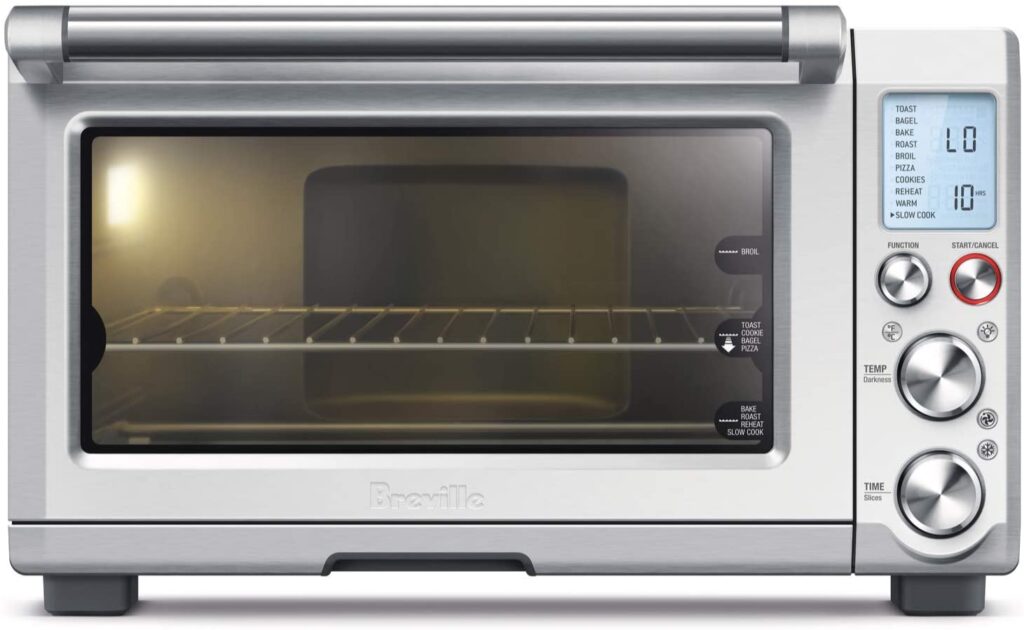
| Toaster Oven | Small sandwiches | Similar to oven, faster | Limited space |
| Skillet (stovetop) | Paninis, grilled sandwiches | Great crust | Easy to burn |
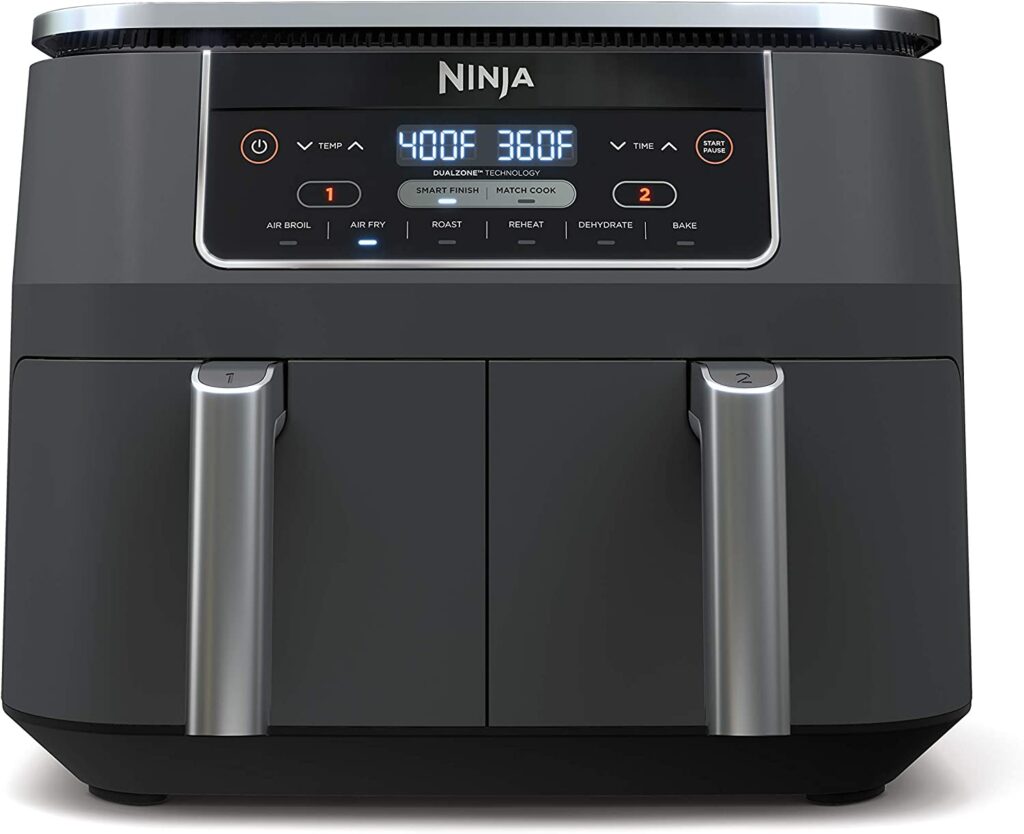
| Air Fryer | Crispy breads | Fast, good texture | Can dry fillings |
| Microwave | Soft sandwiches only | Fast | Soggy bread, uneven heat |
For quality, the oven remains the most reliable overall.
Tips For Optimal Reheating Results
- Remove cold toppings and add fresh ones afterward
- Use foil to control moisture and crispness
- Slice thick sandwiches in half before reheating
- Add a tiny sprinkle of water on very dry bread before wrapping
- Check internal warmth by gently pressing the center
- Don’t overcrowd the oven – airflow matters
FAQs
What Is The Best Temperature To Reheat A Sandwich In The Oven?
The ideal temperature for reheating a sandwich in the oven is 350°F (175°C). This temperature helps to warm the sandwich evenly without overcooking or burning the bread.
Should I Wrap My Sandwich In Foil When Reheating In The Oven?
Yes, wrapping the sandwich in foil helps to retain moisture and prevents the bread from becoming too dry. If you prefer a crispier texture, you can unwrap the sandwich during the last few minutes of reheating.
How Long Should I Reheat A Sandwich In The Oven?
Reheat your sandwich in the oven for about 10-15 minutes. The exact time may vary depending on the size and thickness of the sandwich. Check after 10 minutes to ensure it’s warmed through without overcooking.
Can I Reheat A Sandwich With Cold Fillings In The Oven?
Yes, you can. Reheating the sandwich in the oven will warm both the bread and the fillings. If you have delicate fillings like lettuce or tomatoes, you may want to remove them before reheating and add them back after.
How Can I Avoid Soggy Bread When Reheating A Sandwich In The Oven?
To prevent soggy bread, make sure the sandwich is wrapped in foil loosely to allow air circulation, or bake it on a wire rack so the bread doesn’t sit in moisture. You can also add a layer of parchment paper under the sandwich.
Should I Preheat The Oven Before Reheating The Sandwich?
Yes, it’s important to preheat the oven to the desired temperature before placing the sandwich inside. This ensures even reheating and prevents the bread from becoming too hard or overcooked.
Can I Reheat A Grilled Sandwich In The Oven?
Yes, grilled sandwiches can be reheated in the oven. Place the sandwich on a baking sheet and cover it with foil. Reheat at 350°F (175°C) for 10-15 minutes, checking for desired warmth and crispness.
Is It Better To Reheat A Sandwich In The Oven Or Microwave?
Reheating a sandwich in the oven is generally better for maintaining the texture of the bread, keeping it crisp and evenly heated. The microwave can make the bread soggy and unevenly heated.
Can I Reheat A Frozen Sandwich In The Oven?
Yes, you can reheat a frozen sandwich in the oven. Preheat the oven to 350°F (175°C) and place the sandwich on a baking sheet. Heat for 20-25 minutes or until the sandwich is warmed through. For best results, wrap it in foil to retain moisture.
What Should I Do If The Sandwich Is Too Dry After Reheating?
If the sandwich turns out too dry, consider adding a small amount of butter or sauce to the bread before reheating. You can also try reheating at a lower temperature for a longer time to prevent the bread from becoming too tough.