
How To Reheat Seafood In Oven [FULL GUIDE]
Seafood is a culinary treasure, renowned for its delicate flavors, tender textures, and rich nutritional benefits. From flaky fish fillets to succulent shrimp and buttery lobster tails, each type of seafood requires careful handling to preserve its natural taste and structure. Reheating seafood, however, presents a unique challenge. Unlike heartier meats, seafood is incredibly sensitive to heat; excessive warmth can lead to rubbery textures, dried-out flesh, or a diminished flavor profile. The oven, with its controlled heat environment, is often the preferred method for reheating seafood, offering even warmth without the immediate risk of scorching. This guide explores the art and science of reheating seafood in the oven, providing precise temperatures, timing, techniques, and tips to ensure every bite tastes as fresh as it did when first cooked.
Contents
- 1 Best Temperature To Reheat Seafood In Oven
- 2 Best Cooking Time To Reheat Seafood In Oven
- 3 How To Reheat Seafood In Oven
- 4 When Not To Reheat Seafood In The Oven
- 5 Reheating Seafood More Than Once
- 6 What If I Use A Different Oven Temperature?
- 7 What If I Use A Different Oven Cook Time?
- 8 Best Ways To Reheat Seafood
- 9 Tips For Optimal Reheating Results
- 10 FAQs
- 10.1 What Is The Best Temperature To Reheat Seafood In The Oven?
- 10.2 How Long Should I Reheat Seafood In The Oven?
- 10.3 Should I Cover Seafood When Reheating It In The Oven?
- 10.4 Can I Reheat All Types Of Seafood In The Oven?
- 10.5 Do I Need To Add Moisture When Reheating Seafood In The Oven?
- 10.6 Is It Safe To Reheat Seafood In The Oven More Than Once?
- 10.7 How Can I Tell When Seafood Is Properly Reheated In The Oven?
- 10.8 Can I Reheat Breaded Or Battered Seafood In The Oven?
- 10.9 Should I Preheat The Oven Before Reheating Seafood?
- 10.10 Can I Use Foil Or A Baking Dish To Reheat Seafood In The Oven?
Best Temperature To Reheat Seafood In Oven
The ideal oven temperature for reheating seafood is relatively low compared to other proteins. Most seafood benefits from a temperature range of 275°F to 325°F (135°C to 165°C). At this moderate heat, the seafood warms gradually, preventing rapid protein contraction, which can lead to dryness or a tough texture.
- 275°F (135°C): Best for delicate fillets like sole, flounder, or cod. This temperature ensures gentle warming without overcooking the already tender flesh.
- 300°F (150°C): Suitable for slightly thicker cuts such as salmon, halibut, or trout. The heat penetrates evenly, maintaining moisture while reviving the original flavor.
- 325°F (165°C): Ideal for heartier seafood like shrimp, crab, or lobster. Slightly higher heat is acceptable here because these types of seafood have a more resilient texture and benefit from a quick, thorough reheating.
Maintaining the correct temperature is crucial. Too high, and the seafood risks turning rubbery; too low, and reheating becomes uneven or prolonged, compromising both safety and texture.
Best Cooking Time To Reheat Seafood In Oven
Cooking time for reheating seafood is directly influenced by thickness, moisture content, and type of seafood. Unlike raw cooking, reheating requires less time since the goal is to warm the food, not cook it fully. Here’s a general guideline:
- Thin fillets (½ inch thick or less): 10-12 minutes
- Thicker fillets (¾-1 inch): 12-15 minutes
- Shrimp or scallops: 8-10 minutes
- Lobster tails or crab legs: 12-15 minutes
- Seafood casseroles or mixed dishes: 15-20 minutes, covered to retain moisture
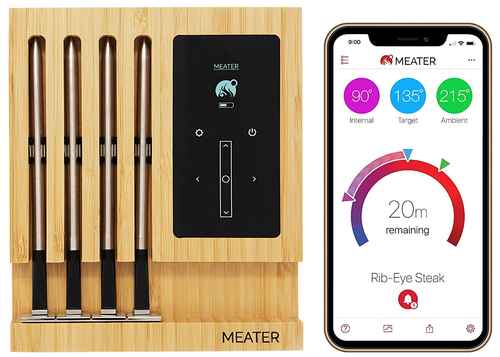
Checking the seafood mid-way is critical. The internal temperature should ideally reach 125°F to 130°F (52°C to 54°C) for fish and 135°F (57°C) for shellfish. Using a food thermometer ensures precise reheating while avoiding overcooking.
How To Reheat Seafood In Oven
Reheating seafood in the oven is both an art and a technique. Follow these steps for optimal results:
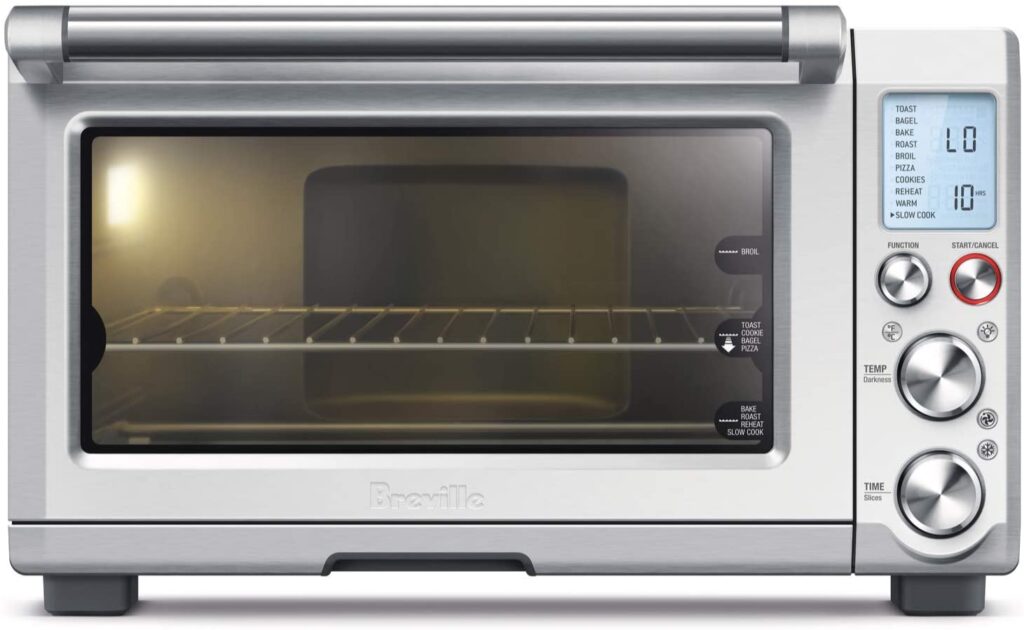
- Preheat the oven to the chosen temperature (typically 275°F-325°F).
- Prepare the seafood by placing it in an oven-safe dish. Add a splash of liquid-water, broth, or a light butter sauce-to maintain moisture.
- Cover the dish with aluminum foil. This traps steam, prevents drying, and ensures even heat distribution.
- Reheat for the recommended time, checking occasionally to avoid overcooking.
- Finish with a quick broil (optional): For a slightly crisp exterior, remove the foil in the last 1-2 minutes and broil briefly, keeping a close eye on it.
- Serve immediately, as seafood loses texture and flavor rapidly after reheating.
When Not To Reheat Seafood In The Oven
While the oven is versatile, there are scenarios where reheating seafood in it is not recommended:
- Extremely delicate or thin fish: Fillets like sole or tilapia can overcook and dry out quickly, even at low temperatures.
- Previously overcooked seafood: If the seafood was already on the verge of being dry, oven reheating can exacerbate this.
- Seafood with creamy sauces: Oven heat may cause sauces to separate or curdle. Stovetop or microwave reheating with gentle stirring may work better.
In these cases, alternative reheating methods such as steaming or sous-vide may preserve the desired texture and moisture.
Reheating Seafood More Than Once
Reheating seafood multiple times is strongly discouraged. Each reheating cycle accelerates protein breakdown and moisture loss, increasing the risk of dryness, flavor degradation, or bacterial growth. For safety and quality, seafood should ideally be reheated only once. If leftovers are abundant, portion them into smaller containers before the first reheating session. This ensures each serving is heated evenly without repeated exposure to heat.
What If I Use A Different Oven Temperature?
Altering the oven temperature can affect the outcome dramatically:
- Lower than 275°F: Reheating will be slower, potentially leading to uneven warming or extended time in the ’danger zone’ for bacteria (40°F-140°F).
- Higher than 325°F: Seafood may cook too rapidly, causing tough, dry textures and loss of delicate flavor.
Minor deviations (±10-15°F) are generally tolerable if monitored closely, but major changes require careful adjustment of cooking times to prevent overcooking.
What If I Use A Different Oven Cook Time?
Changing the cooking time without adjusting temperature carries risks:
- Shorter time: Seafood may remain cold in the center or unevenly reheated.
- Longer time: Increased risk of dryness, rubberiness, or overcooked shellfish.
Always prioritize internal temperature monitoring over strict timing. For delicate seafood, even a few extra minutes can be the difference between tender perfection and a disappointing chew.
Best Ways To Reheat Seafood
The oven is ideal for most seafood, but the method can be tailored:
- Foil-wrapped reheating: Preserves moisture and prevents direct heat contact.
- Baking in a shallow dish with liquid: Maintains juiciness while gently warming.
- Covered casserole reheating: Perfect for seafood mixed with sauces or vegetables.
Each method emphasizes gentle heat and moisture retention, key to keeping seafood tender and flavorful.
Tips For Optimal Reheating Results
- Use residual moisture: Drizzle a teaspoon of water, broth, or olive oil to prevent drying.
- Check halfway: Open the foil briefly to ensure the seafood isn’t overcooking.
- Monitor internal temperature: Aim for 125-130°F for fish and 135°F for shellfish.
- Avoid direct broiling for too long: A quick broil at the end adds color but prolonged exposure will dry out seafood.
- Serve immediately: Seafood loses flavor and texture rapidly once reheated.
- Portion wisely: Reheat only the amount you plan to eat to prevent repeated heating.
FAQs
What Is The Best Temperature To Reheat Seafood In The Oven?
The ideal temperature to reheat seafood in the oven is between 275°F (135°C) and 300°F (150°C). This lower temperature helps warm the seafood evenly without overcooking it or making it dry and rubbery.
How Long Should I Reheat Seafood In The Oven?
Reheating time depends on the type and size of the seafood. Small fillets or shrimp typically take 10-15 minutes, while larger fish steaks or lobster tails may require 15-20 minutes. Always check for an internal temperature of 125-130°F (52-54°C) for best results.
Should I Cover Seafood When Reheating It In The Oven?
Yes, covering seafood with aluminum foil helps retain moisture and prevents it from drying out. If you prefer a slightly crisp exterior, you can uncover it for the last 2-3 minutes of reheating.
Can I Reheat All Types Of Seafood In The Oven?
Most cooked seafood such as fish fillets, shrimp, crab, and lobster can be safely reheated in the oven. However, delicate shellfish like scallops may become rubbery if overheated, so they should be reheated gently and for a shorter time.
Do I Need To Add Moisture When Reheating Seafood In The Oven?
Yes, adding a small amount of liquid such as broth, butter, or a drizzle of olive oil can help prevent seafood from drying out during reheating.
Is It Safe To Reheat Seafood In The Oven More Than Once?
It is not recommended to reheat seafood multiple times, as repeated heating increases the risk of foodborne illness and negatively affects texture and flavor. Only reheat what you plan to consume immediately.
How Can I Tell When Seafood Is Properly Reheated In The Oven?
Seafood is properly reheated when it is hot throughout, tender, and flaky (for fish) or firm and opaque (for shrimp, crab, or lobster). Using a food thermometer to reach 125-130°F (52-54°C) ensures safe reheating without overcooking.
Can I Reheat Breaded Or Battered Seafood In The Oven?
Yes, but it’s best to place breaded or battered seafood on a wire rack over a baking sheet. This allows hot air to circulate and keeps the coating crisp while reheating evenly.
Should I Preheat The Oven Before Reheating Seafood?
Yes, preheating the oven ensures even cooking. Placing seafood in a fully heated oven prevents prolonged exposure to heat, which can make delicate proteins dry or tough.
Can I Use Foil Or A Baking Dish To Reheat Seafood In The Oven?
Both options work. Foil is excellent for retaining moisture and preventing splatter, while an oven-safe baking dish allows for easy addition of liquid or seasonings. Make sure the seafood is arranged in a single layer for even reheating.