
How To Reheat Short Ribs In Oven [FULL GUIDE]
Short ribs, with their rich marbling, tender meat, and deep, savory flavors, are a culinary delight that many home cooks and chefs take pride in preparing. Whether braised in a robust red wine sauce, slow-cooked with aromatic vegetables, or smoked to perfection, these beefy delights are at their best when freshly cooked. However, leftovers are inevitable, and reheating short ribs can be tricky. Too much heat and the meat dries out; too little and it may never reach a safe, palatable temperature. Understanding the delicate balance of temperature, timing, and method is crucial to preserving their luscious texture and flavor. This guide explores everything you need to know about reheating short ribs in the oven, ensuring each bite tastes almost as good as the first.
Contents
- 1 Best Temperature To Reheat Short Ribs In Oven
- 2 Best Cooking Time To Reheat Short Ribs In Oven
- 3 How To Reheat Short Ribs In Oven
- 4 When Not To Reheat Short Ribs In The Oven
- 5 Reheating Short Ribs More Than Once
- 6 What If I Use A Different Oven Temperature?
- 7 What If I Use A Different Oven Cook Time?
- 8 Best Ways To Reheat Short Ribs
- 9 Tips For Optimal Reheating Results
- 10 FAQs
- 10.1 What Is The Best Temperature To Reheat Short Ribs In The Oven?
- 10.2 Should I Cover The Short Ribs When Reheating?
- 10.3 How Long Does It Take To Reheat Short Ribs In The Oven?
- 10.4 Do I Need To Add Liquid When Reheating Short Ribs?
- 10.5 Can I Reheat Short Ribs Straight From The Refrigerator Or Should They Come To Room Temperature First?
- 10.6 How Do I Know When The Short Ribs Are Properly Reheated?
- 10.7 Can I Reheat Short Ribs Without Drying Them Out?
- 10.8 Is It Safe To Reheat Short Ribs More Than Once?
- 10.9 Can I Reheat Frozen Short Ribs In The Oven Directly?
- 10.10 Should I Rest The Short Ribs After Reheating?
Best Temperature To Reheat Short Ribs In Oven
The ideal oven temperature for reheating short ribs balances the need to warm the meat thoroughly while preventing it from drying out. Generally, a moderate oven temperature between 275°F (135°C) and 325°F (163°C) works best.
- 275°F (135°C) is optimal if you have more time and want to retain maximum moisture. It gently warms the meat without shocking the fibers, which can help maintain tenderness.
- 300-325°F (149-163°C) is ideal for those who want a faster reheating process without sacrificing texture. This range is especially suitable if the short ribs are already well-marbled or contain a substantial sauce, which helps prevent drying.
Avoid high temperatures above 350°F (177°C), as this can quickly overcook the exterior while leaving the interior just warm, resulting in a tough and dry eating experience.
Best Cooking Time To Reheat Short Ribs In Oven
Reheating time depends on the oven temperature and the size of the short ribs. On average:
- At 275°F (135°C): 25-35 minutes for standard portion sizes.
- At 300-325°F (149-163°C): 20-25 minutes, slightly faster due to higher heat.
Always check the internal temperature to ensure food safety. Short ribs should reach at least 165°F (74°C) in the center. If reheating larger pieces, allow additional time and consider covering with foil to retain moisture.
How To Reheat Short Ribs In Oven
Reheating short ribs correctly requires careful preparation:
- Preheat your oven to your chosen temperature (275-325°F).
- Prepare the ribs: Place them in an oven-safe dish. If they are dry, add a splash of beef broth, wine, or sauce to help maintain juiciness.
- Cover tightly with aluminum foil: This traps steam, ensuring the ribs remain moist.
- Reheat: Place the dish in the oven and check periodically. A gentle warm-up ensures the meat remains tender.
- Optional final sear: For a slightly crispy exterior, uncover the ribs for the last 5 minutes of reheating.
When Not To Reheat Short Ribs In The Oven
While the oven is versatile, there are situations where reheating short ribs in it is not recommended:
- If the ribs were already dry or overcooked: Reheating can worsen their texture.
- If you plan to reheat multiple times: Continuous oven reheating will dry the meat out faster than gentle stovetop or sous vide methods.
- Thinly sliced or small portions: These may overcook in the oven before warming thoroughly. In such cases, a microwave or stovetop steaming may be more suitable.
Reheating Short Ribs More Than Once
Reheating short ribs multiple times is generally discouraged. Each cycle of heating and cooling can break down the meat’s fibers further and increase the risk of bacterial growth. If unavoidable:
- Store properly between reheating in airtight containers in the refrigerator.
- Reheat gently, ideally at 275°F (135°C) and check the internal temperature carefully.
- Avoid reheating more than twice to maintain quality and safety.
What If I Use A Different Oven Temperature?
Using a temperature outside the recommended 275-325°F range can affect results:
- Lower than 275°F: Will preserve moisture but significantly extend reheating time. Be cautious of leaving the ribs at unsafe temperatures too long.
- Higher than 325°F: Speeds up reheating but increases the risk of drying out the meat or causing tough, rubbery texture.
Balancing time and temperature is essential. If you must use a higher heat, ensure the ribs are well-covered with foil and add extra liquid to protect them.
What If I Use A Different Oven Cook Time?
Changing reheating time without adjusting temperature can lead to inconsistent results:
- Shorter reheating time: May leave the ribs cold in the center.
- Longer reheating time: Can dry out or overcook the ribs, even at moderate temperatures.
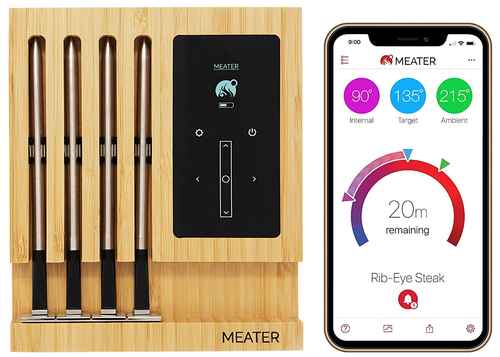
Always monitor internal temperature with a meat thermometer, aiming for 165°F (74°C). Adjustments in time should correspond proportionally to the chosen oven temperature.
Best Ways To Reheat Short Ribs
While the oven is excellent, consider these alternatives depending on your goal:
- Sous Vide: Preserves tenderness and prevents overcooking. Reheat at 140°F (60°C) until warm.
- Stovetop Simmer: Place ribs in a covered skillet with sauce or broth over low heat. Gentle steam keeps meat moist.
- Microwave (last resort): Use low power and cover with a damp paper towel or microwave-safe lid. Stir sauce around to distribute heat evenly.
Tips For Optimal Reheating Results
- Always cover the ribs: Traps steam and retains moisture.
- Add a bit of liquid: Beef broth, sauce, or wine prevents dryness.
- Check internal temperature: Ensure 165°F (74°C) for safety.
- Avoid over-stacking: Ribs reheat more evenly in a single layer.
- Let rest after reheating: Allows juices to redistribute before serving.
FAQs
What Is The Best Temperature To Reheat Short Ribs In The Oven?
The ideal temperature to reheat short ribs in the oven is 300°F (150°C). This moderate temperature ensures the meat warms evenly without drying out, preserving its tenderness and juiciness.
Should I Cover The Short Ribs When Reheating?
Yes, cover the short ribs with aluminum foil when reheating. This traps moisture and prevents the exterior from drying out while allowing the meat to heat through slowly.
How Long Does It Take To Reheat Short Ribs In The Oven?
Reheating short ribs in the oven typically takes 20-30 minutes, depending on their size and thickness. Larger or bone-in ribs may require 35-40 minutes for even reheating.
Do I Need To Add Liquid When Reheating Short Ribs?
Adding a small amount of liquid, such as beef broth, wine, or the original cooking sauce, helps maintain moisture. Pour 1-2 tablespoons over the ribs before covering with foil.
Can I Reheat Short Ribs Straight From The Refrigerator Or Should They Come To Room Temperature First?
Short ribs can be reheated directly from the refrigerator, but letting them sit at room temperature for 10-15 minutes ensures more even heating and reduces the risk of overcooking the outer layer.
How Do I Know When The Short Ribs Are Properly Reheated?
Check that the internal temperature of the short ribs reaches 165°F (74°C) for safe consumption. The meat should feel warm throughout and tender when gently pressed with a fork.
Can I Reheat Short Ribs Without Drying Them Out?
Yes, to avoid drying, reheat at a low temperature, cover with foil, and add a small amount of liquid. Slow, gentle reheating preserves moisture and the rich texture of the meat.
Is It Safe To Reheat Short Ribs More Than Once?
It is not recommended to reheat short ribs multiple times, as repeated heating increases the risk of bacterial growth and can degrade the meat’s texture and flavor.
Can I Reheat Frozen Short Ribs In The Oven Directly?
Frozen short ribs should be thawed in the refrigerator overnight before reheating. Reheating directly from frozen can result in uneven warming, with the exterior overcooked while the interior remains cold.
Should I Rest The Short Ribs After Reheating?
Yes, let the short ribs rest for 5-10 minutes after reheating. Resting allows the juices to redistribute, keeping the meat moist and flavorful when served.