
How To Reheat Sicilian Pizza In Oven [FULL GUIDE]
Sicilian pizza is renowned for its thick, airy crust, generous toppings, and rich, flavorful sauce. Unlike thinner pizza varieties, its hearty structure requires careful attention when reheating to preserve its texture and flavor. While microwaving might seem convenient, it often yields a soggy crust or unevenly warmed toppings, robbing the pizza of its signature qualities. The oven is the preferred method for restoring Sicilian pizza to near-fresh perfection, allowing the crust to crisp, the cheese to melt evenly, and the toppings to release their full aroma. Understanding the precise temperature, timing, and technique ensures every bite is as satisfying as when it was first baked.
Contents
- 1 Best Temperature To Reheat Sicilian Pizza In Oven
- 2 Best Cooking Time To Reheat Sicilian Pizza In Oven
- 3 How To Reheat Sicilian Pizza In Oven
- 4 When Not To Reheat Sicilian Pizza In The Oven
- 5 Reheating Sicilian Pizza More Than Once
- 6 What If I Use A Different Oven Temperature?
- 7 What If I Use A Different Oven Cook Time?
- 8 Best Ways To Reheat Sicilian Pizza
- 9 Tips For Optimal Reheating Results
- 10 FAQs
- 10.1 What Is The Best Way To Reheat Sicilian Pizza In The Oven?
- 10.2 Should I Cover Sicilian Pizza With Foil When Reheating?
- 10.3 How Long Does It Take To Reheat Sicilian Pizza In The Oven?
- 10.4 Can I Reheat Sicilian Pizza From Frozen In The Oven?
- 10.5 Should I Use A Baking Sheet Or Place The Pizza Directly On The Oven Rack?
- 10.6 Can I Add Extra Toppings When Reheating Sicilian Pizza?
- 10.7 Is It Better To Reheat Sicilian Pizza At High Or Low Temperature?
- 10.8 How Can I Keep The Crust From Getting Too Hard When Reheating?
- 10.9 Can I Reheat Sicilian Pizza In The Oven Without Drying It Out?
- 10.10 Is There A Difference Between Reheating Sicilian Pizza And Thin-crust Pizza?
Best Temperature To Reheat Sicilian Pizza In Oven
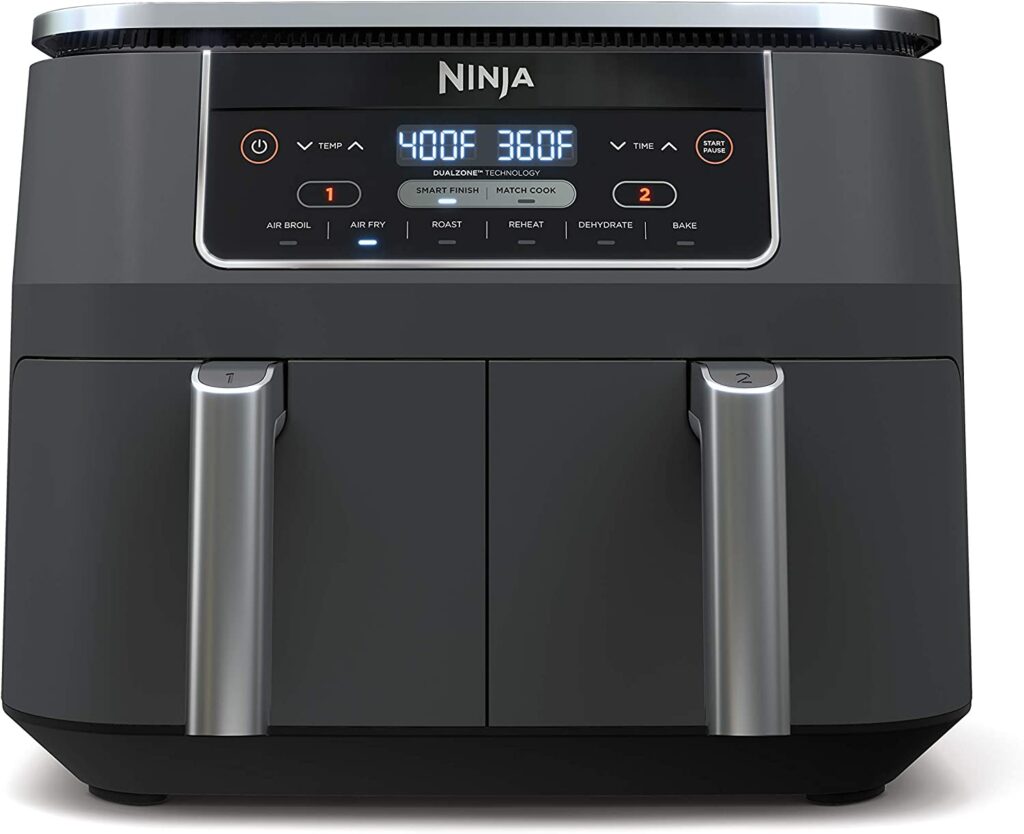
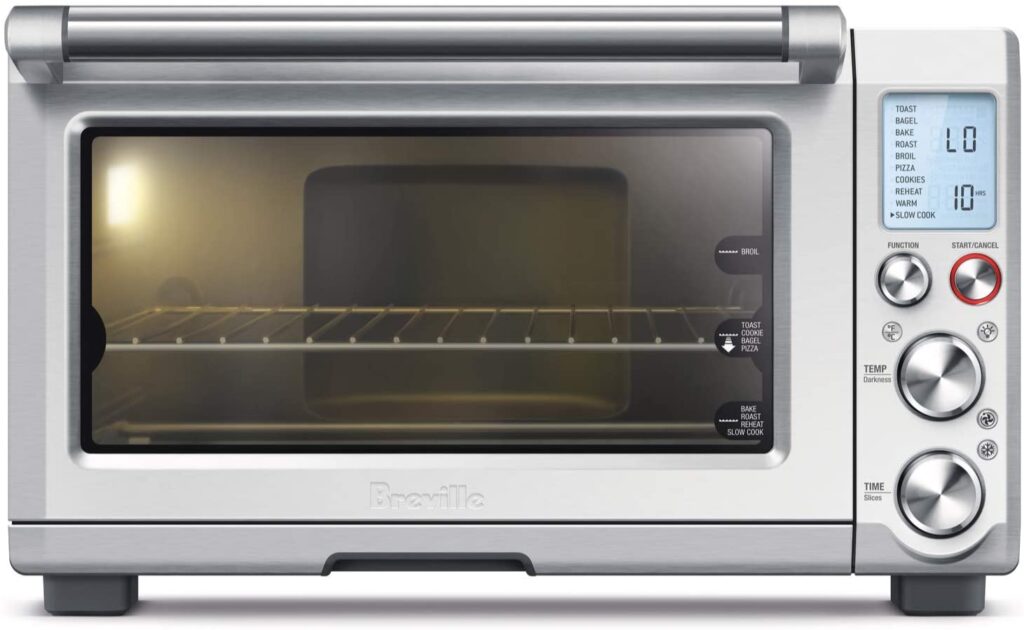
The ideal oven temperature for reheating Sicilian pizza strikes a balance between warming the interior and crisping the crust without burning the edges or drying out the toppings. A temperature range of 375°F to 400°F (190°C to 205°C) is optimal.

- Lower end (375°F / 190°C): Ensures gradual, even heating, reducing the risk of burning the thick crust before the toppings are warmed.
- Upper end (400°F / 205°C): Accelerates crisping, giving a near-freshly-baked crunch, but requires close monitoring to avoid overcooking.
This temperature range allows heat to penetrate the dense, spongy dough while melting the cheese uniformly and warming the toppings to a palatable temperature without over-drying them.
Best Cooking Time To Reheat Sicilian Pizza In Oven
Time is equally critical as temperature. For a standard slice of Sicilian pizza, a 10-15 minute reheating window works best, depending on the oven and thickness of the slice.
- Thinly topped slices: 10 minutes is often sufficient.
- Heavily topped or extra-thick slices: 12-15 minutes allows heat to reach the center of the dough without scorching the edges.
It’s essential to check periodically; visual cues like bubbling cheese and a slightly golden crust indicate readiness. Overcooking will dry the pizza, while undercooking leaves the interior cold and the cheese unmelted.
How To Reheat Sicilian Pizza In Oven
- Preheat the oven: Set to 375-400°F (190-205°C) to ensure consistent heat.
- Prepare the pizza: Place slices on a baking sheet. Lining the sheet with parchment paper or aluminum foil can reduce sticking and make cleanup easier. For a crispier crust, place slices directly on the oven rack.
- Add moisture control: Lightly sprinkling a few drops of water on the pizza or covering loosely with foil can prevent excessive dryness, especially for thick toppings.
- Bake: Place in the oven for 10-15 minutes. Check around 10 minutes to gauge progress.
- Finish: Remove when the cheese is bubbling, toppings are warm, and the crust has achieved a slight golden crisp.
When Not To Reheat Sicilian Pizza In The Oven
While the oven is ideal for most leftovers, there are situations where it may not be the best choice:
- Extremely thin slices: May burn easily before warming through.
- Very small amounts of pizza: Microwaving may be faster and more energy-efficient.
- Pizza with delicate toppings: Items like fresh basil, arugula, or soft cheeses can wilt or overcook in the oven.
Reheating Sicilian Pizza More Than Once
Reheating pizza multiple times is generally discouraged because each cycle further dries out the dough and toppings, leading to a tough crust and rubbery cheese. If you must reheat twice:
- Use the lowest effective temperature (around 350°F / 175°C) and a shorter reheating time to reduce moisture loss.
- Consider covering the pizza loosely with foil to retain steam and prevent crust hardening.
What If I Use A Different Oven Temperature?
- Lower than 375°F (190°C): The pizza will warm slowly, potentially leaving the center cool and the crust less crisp. Reheating time may need to be extended by 5-10 minutes.
- Higher than 400°F (205°C): Crust and toppings may burn before the pizza warms through. This is especially risky for thick Sicilian slices.
The key principle: higher temperatures accelerate cooking but risk uneven results; lower temperatures are safer but require patience.
What If I Use A Different Oven Cook Time?
- Shorter cook times: The cheese may not melt, and the dough may remain cold internally.
- Longer cook times: Overcooking leads to dry, brittle crusts and toughened toppings.
A visual check-bubbling cheese, slight golden crust-is always better than relying solely on time.
Best Ways To Reheat Sicilian Pizza
While the oven is the gold standard, other methods can work depending on preference:
- Skillet on the stovetop: Crisp bottom without drying out the toppings; cover briefly to melt cheese.
- Air fryer: Excellent for 1-2 slices; 350-375°F for 4-6 minutes, producing a crisp crust.
- Microwave with a mug of water: Avoids overcooking; softens the pizza, but crust won’t crisp.
Tips For Optimal Reheating Results
- Bring pizza to room temperature first to reduce reheating time and ensure even warming.
- Use a baking sheet for heavier slices or the oven rack for thinner ones to control crust texture.
- Avoid overcrowding the oven to allow proper air circulation.
- Check periodically to prevent burning, especially near edges.
- Experiment with foil covers for moisture retention, especially for thick or heavily topped slices.
FAQs
What Is The Best Way To Reheat Sicilian Pizza In The Oven?
The best method is to preheat the oven to 375°F (190°C), place the pizza on a baking sheet or directly on the oven rack for a crispier crust, and bake for 8-12 minutes until the cheese is melted and the crust is heated through.
Should I Cover Sicilian Pizza With Foil When Reheating?
Covering with foil is optional. If you want a softer crust, lightly cover the pizza with foil. For a crispier crust, leave it uncovered so the heat can directly reach the dough.
How Long Does It Take To Reheat Sicilian Pizza In The Oven?
Reheating usually takes between 8-12 minutes, depending on the thickness of the pizza and your oven. Thicker slices may require a few extra minutes.
Can I Reheat Sicilian Pizza From Frozen In The Oven?
Yes, preheat the oven to 400°F (204°C), place the frozen pizza on a baking sheet, and bake for 15-20 minutes until thoroughly heated. Avoid thawing first to preserve texture.
Should I Use A Baking Sheet Or Place The Pizza Directly On The Oven Rack?
For a softer crust, use a baking sheet. For a crispier crust, place the pizza directly on the oven rack. You can also use a preheated pizza stone for even crisping.
Can I Add Extra Toppings When Reheating Sicilian Pizza?
Yes, you can add toppings like extra cheese, herbs, or vegetables, but ensure they are pre-cooked if necessary, as reheating time may not fully cook raw ingredients.
Is It Better To Reheat Sicilian Pizza At High Or Low Temperature?
A moderate temperature around 375-400°F (190-204°C) works best. High heat may burn the crust before the cheese melts, while low heat can make the crust soggy.
How Can I Keep The Crust From Getting Too Hard When Reheating?
Place the pizza on a baking sheet and optionally cover it loosely with foil. You can also brush the crust lightly with olive oil before reheating to maintain softness.
Can I Reheat Sicilian Pizza In The Oven Without Drying It Out?
Yes. Avoid over-baking, cover lightly with foil if needed, and monitor the pizza closely to ensure the cheese melts without the crust becoming too dry.
Is There A Difference Between Reheating Sicilian Pizza And Thin-crust Pizza?
Yes, Sicilian pizza has a thicker, bread-like crust, so it requires slightly longer reheating at moderate temperatures to ensure the center is heated through without burning the crust. Thin-crust pizza heats faster and may crisp quickly.