
How To Reheat Sliced Brisket In Oven [FULL GUIDE]
Sliced brisket is one of the most beloved cuts of meat, prized for its tender, flavorful texture and rich smoky aroma. Whether you’re savoring leftovers from a weekend barbecue or preparing make-ahead meals, reheating sliced brisket requires careful attention to preserve its juiciness and flavor. Unlike reheating simpler proteins, brisket has a delicate balance of fat, connective tissue, and smoke-infused meat that can dry out or become tough if handled improperly. The goal is to warm it through evenly while maintaining the tenderness and moisture that made it delicious in the first place. This guide will explore the optimal oven techniques for reheating sliced brisket, covering temperature, timing, and methods for achieving restaurant-quality results at home.
Contents
- 1 Best Temperature To Reheat Sliced Brisket In Oven
- 2 Best Cooking Time To Reheat Sliced Brisket In Oven
- 3 How To Reheat Sliced Brisket In Oven
- 4 When Not To Reheat Sliced Brisket In The Oven
- 5 Reheating Sliced Brisket More Than Once
- 6 What If I Use A Different Oven Temperature?
- 7 What If I Use A Different Oven Cook Time?
- 8 Best Ways To Reheat Sliced Brisket
- 9 Tips For Optimal Reheating Results
- 10 FAQs
- 10.1 What Is The Best Temperature To Reheat Sliced Brisket In The Oven?
- 10.2 Should I Wrap Sliced Brisket In Foil Before Reheating?
- 10.3 How Long Does It Take To Reheat Sliced Brisket In The Oven?
- 10.4 Can I Add Liquid When Reheating Sliced Brisket?
- 10.5 Do I Need To Cover The Brisket While Reheating In The Oven?
- 10.6 How Can I Prevent Sliced Brisket From Drying Out When Reheating?
- 10.7 Can I Reheat Sliced Brisket Directly From The Refrigerator?
- 10.8 Is It Necessary To Slice The Brisket Thinly For Reheating?
- 10.9 Can I Reheat Sliced Brisket In The Oven Without Foil?
- 10.10 Can I Reheat Sliced Brisket In The Oven With A Glaze Or Sauce?
Best Temperature To Reheat Sliced Brisket In Oven
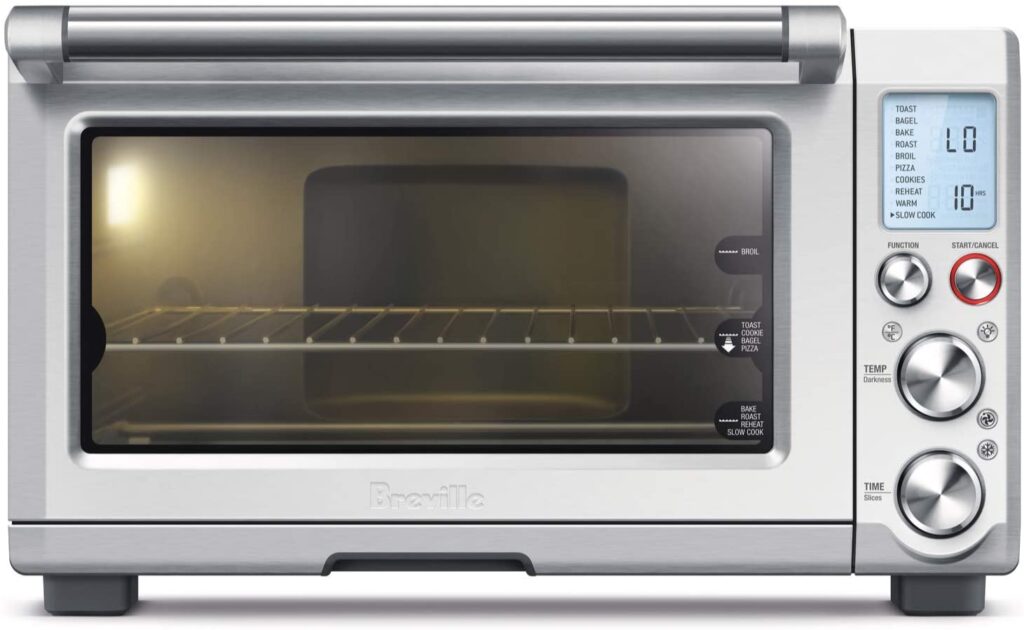
The key to reheating brisket lies in slow, gentle heat. The ideal oven temperature is around 250°F (120°C) to 300°F (150°C). At this range, the brisket warms gradually, allowing the internal fat and connective tissues to render slightly, enhancing moisture and tenderness. Temperatures above 325°F (160°C) can be risky; the surface may dry out before the center is fully heated. Conversely, temperatures below 200°F (95°C) might prolong the reheating process excessively, which can also cause uneven warming and risk bacterial growth if food is left out too long.
Maintaining this moderate heat ensures the slices remain juicy, preventing them from becoming rubbery or stringy-a common issue when brisket is overheated.
Best Cooking Time To Reheat Sliced Brisket In Oven
Reheating time is closely linked to both slice thickness and oven temperature. For slices about ¼ to ½ inch thick, reheating at 275°F (135°C) generally requires 20-30 minutes. Thicker slices, or a brisket slab, may take up to 40-45 minutes.
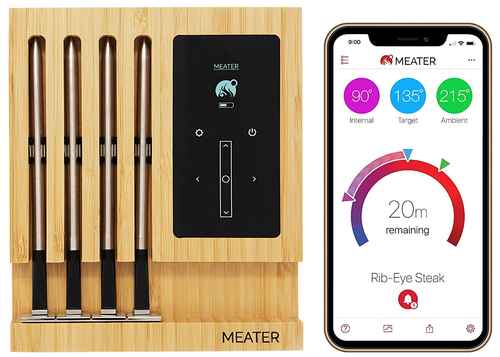
Always remember: brisket is best reheated slowly rather than blasting it in the oven. The slower the process, the better the meat retains moisture and the flavors meld beautifully with any sauces or juices you’ve preserved. Using a meat thermometer can help-aim for an internal temperature of around 140°F (60°C) to 150°F (65°C). This ensures the meat is warm enough to enjoy without overcooking it further.
How To Reheat Sliced Brisket In Oven
- Preheat the oven to 275°F (135°C).
- Arrange the brisket slices in a shallow baking dish. Ensure slices are in a single layer for even heating.
- Add moisture: Pour a small amount of beef broth, au jus, or even water over the slices-about 1-2 tablespoons per layer. This helps prevent drying.
- Cover the dish tightly with aluminum foil. The foil traps steam, creating a gentle, moist environment for the meat.
- Heat slowly: Place the covered dish in the oven and bake for 20-30 minutes, checking occasionally.
- Check internal temperature: Use a meat thermometer to confirm slices reach 140°F (60°C) before serving.
- Serve immediately to enjoy the brisket at its most tender and flavorful state.
When Not To Reheat Sliced Brisket In The Oven
Certain situations make reheating brisket in the oven inadvisable:
- Already overcooked or dry brisket: Additional heat may worsen dryness. Consider using a slow cooker or moist reheating method instead.
- Very thin slices: These can easily dry out in the oven. Skillet or steaming methods are better.
- Brisket reheated multiple times: Oven reheating is best for a single use; repeated exposure to dry heat accelerates toughness.
In these cases, alternative methods like a skillet, slow cooker, or microwave with careful moisture control may yield better results.
Reheating Sliced Brisket More Than Once
Brisket is a forgiving meat when reheated once but becomes progressively drier and tougher with each cycle. Reheating more than once should be avoided if possible. If multiple reheats are necessary:
- Store properly: Cool slices quickly and refrigerate in airtight containers.
- Reheat gently: Use the lowest safe oven temperature or steam method.
- Add moisture: Always include broth or sauce to offset moisture loss.
Repeated reheating compromises both flavor and texture, so plan portions wisely to minimize leftover cycles.
What If I Use A Different Oven Temperature?
Using a higher temperature (325-350°F / 160-175°C) can speed up reheating but increases the risk of drying out the brisket. The outer edges may overcook while the center remains cold. Conversely, a lower temperature (200-225°F / 95-110°C) will warm the meat more slowly and evenly but prolongs cooking time. Adjustments should be accompanied by covering the meat and adding liquid to maintain moisture.
What If I Use A Different Oven Cook Time?
Shortening the cook time at moderate temperature may result in cold centers, while extending the cook time at high temperature increases dryness. The trick is to balance temperature and duration: lower temperatures require longer times, higher temperatures need shorter times, but slow and steady always wins for tender, juicy slices.
Best Ways To Reheat Sliced Brisket
- Oven with foil cover and liquid: Best for uniform heating and retaining moisture.
- Slow cooker: Excellent for larger portions; allows gentle, even warming.
- Steaming: A steamer basket or double boiler can maintain juiciness for delicate slices.
- Skillet with lid and a splash of broth: Good for quick reheating while keeping a seared exterior.
Each method works well if attention is paid to moisture retention and slow, even heating.
Tips For Optimal Reheating Results
- Always cover: Foil or lid prevents moisture loss.
- Add liquid: Broth, au jus, or water prevents dryness.
- Monitor internal temperature: 140-150°F (60-65°C) is ideal.
- Reheat only once: Multiple cycles compromise tenderness.
- Slice before or after reheating: Thin slices reheat faster but are more prone to drying.
- Rest briefly: Allow 5 minutes under foil post-oven for juices to redistribute.
FAQs
What Is The Best Temperature To Reheat Sliced Brisket In The Oven?
The best temperature to reheat sliced brisket in the oven is 300°F (150°C). This allows the meat to heat through slowly without drying out.
Should I Wrap Sliced Brisket In Foil Before Reheating?
Yes, it is recommended to wrap sliced brisket in foil to retain moisture during reheating. This helps prevent the meat from drying out and keeps it tender.
How Long Does It Take To Reheat Sliced Brisket In The Oven?
Reheating sliced brisket in the oven typically takes about 20 to 30 minutes, depending on the thickness of the slices and the amount of meat being reheated.
Can I Add Liquid When Reheating Sliced Brisket?
Yes, adding a small amount of liquid like beef broth, au jus, or a marinade can help keep the brisket moist while reheating. Place the liquid at the bottom of the foil packet or around the brisket in the baking dish.
Do I Need To Cover The Brisket While Reheating In The Oven?
Yes, it is recommended to cover the brisket with foil to trap steam and moisture, which helps keep the meat juicy and tender as it reheats.
How Can I Prevent Sliced Brisket From Drying Out When Reheating?
To prevent drying out, make sure to wrap the brisket tightly in foil, and consider adding a small amount of liquid like broth or water. Reheat at a low temperature to avoid overcooking the meat.
Can I Reheat Sliced Brisket Directly From The Refrigerator?
Yes, you can reheat sliced brisket directly from the refrigerator. Just allow it to sit at room temperature for 10-15 minutes before reheating to ensure even heating.
Is It Necessary To Slice The Brisket Thinly For Reheating?
It is not strictly necessary to slice the brisket thinly, but thinner slices will reheat more quickly and evenly. If the slices are thicker, they may require more time in the oven.
Can I Reheat Sliced Brisket In The Oven Without Foil?
While it’s possible to reheat brisket without foil, using foil is highly recommended to retain moisture and prevent the meat from becoming tough and dry.
Can I Reheat Sliced Brisket In The Oven With A Glaze Or Sauce?
Yes, reheating sliced brisket with a glaze or sauce can enhance the flavor and keep the meat moist. Brush the brisket with the sauce before wrapping it in foil to help lock in the flavor.