
How To Reheat Steak In Oven [FULL GUIDE]
Few culinary experiences rival the satisfaction of a perfectly cooked steak-the tender, juicy interior contrasting with the flavorful, caramelized crust. Yet, life isn’t always so perfectly timed, and leftovers are a reality in many households. Reheating steak might seem straightforward, but doing it incorrectly can turn a tender masterpiece into a dry, chewy disappointment. The oven, with its controlled, gentle heat, is widely regarded as one of the best tools for bringing leftover steak back to life. Unlike microwaving, which can zap moisture and ruin texture, or pan-searing, which can overcook the outer layers before the interior warms, the oven allows for even, consistent heating. However, mastering the art of reheating steak in the oven requires an understanding of temperature, timing, and technique-nuances that can mean the difference between culinary success and a bland, disappointing meal.
Contents
- 1 Best Temperature To Reheat Steak In Oven
- 2 Best Cooking Time To Reheat Steak In Oven
- 3 How To Reheat Steak In Oven
- 4 When Not To Reheat Steak In The Oven
- 5 Reheating Steak More Than Once
- 6 What If I Use A Different Oven Temperature?
- 7 What If I Use A Different Oven Cook Time?
- 8 Best Ways To Reheat Steak
- 9 Tips For Optimal Reheating Results
- 10 FAQs
- 10.1 What Is The Best Way To Reheat Steak In The Oven?
- 10.2 How Can I Prevent My Steak From Drying Out While Reheating It In The Oven?
- 10.3 Can I Reheat A Steak In The Oven Without Drying It Out?
- 10.4 Should I Bring My Steak To Room Temperature Before Reheating In The Oven?
- 10.5 What Temperature Should I Reheat Steak In The Oven To?
- 10.6 How Long Does It Take To Reheat A Steak In The Oven?
- 10.7 Can I Reheat A Steak In The Oven After It’s Been Refrigerated?
- 10.8 What Is The Best Method To Reheat A Steak To Medium-rare In The Oven?
- 10.9 Can I Use A Cast-iron Skillet Along With The Oven To Reheat My Steak?
- 10.10 How Do I Know When My Steak Is Reheated Properly In The Oven?
Best Temperature To Reheat Steak In Oven
Temperature is perhaps the single most critical factor when reheating steak in the oven. The goal is to warm the meat thoroughly without overcooking it. Too high a temperature, and the steak risks drying out; too low, and the process takes forever, potentially leaving the exterior overcooked while the interior remains cold.
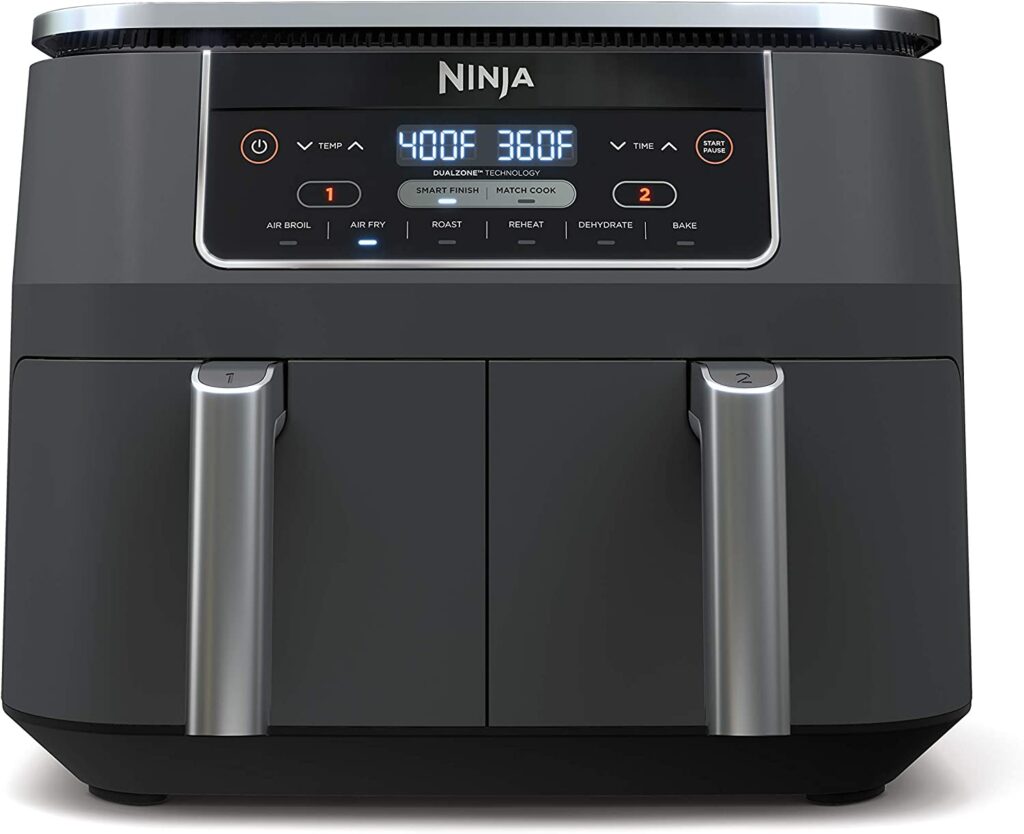
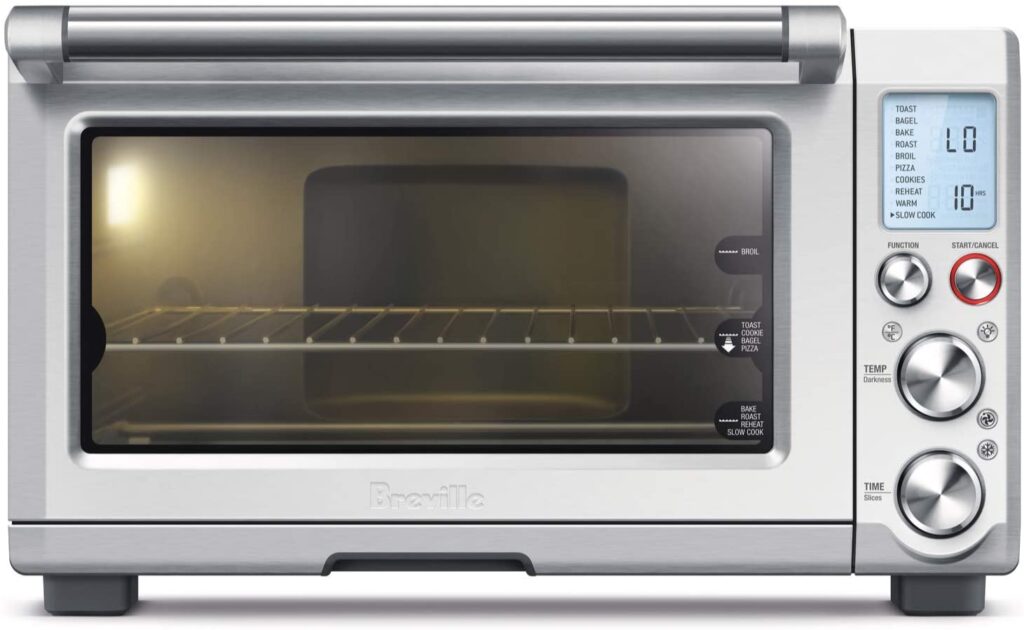
For most cuts, a temperature between 250°F and 275°F (120°C-135°C) is ideal. This lower, slower heat allows the steak to warm evenly while preserving its natural juices. At this range, the fat and connective tissue within the steak soften gently, keeping the interior tender and flavorful. If you want to achieve a slightly crisp exterior without sacrificing juiciness, finishing the steak under a broiler for 1-2 minutes after reheating can create that desirable Maillard reaction without overcooking.
Best Cooking Time To Reheat Steak In Oven
Time and temperature work hand in hand. At the recommended 250°F-275°F, most steaks require 20-30 minutes to reach an internal temperature of 110°F-130°F (depending on thickness and initial doneness). Thinner steaks, around ½ inch thick, may only need 15-20 minutes, while thicker cuts, like a 1.5-inch ribeye, could take up to 40 minutes.
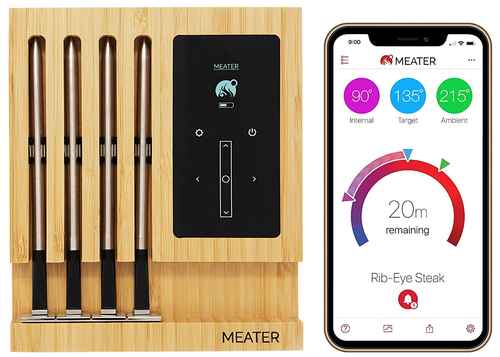
The key is to monitor internal temperature using a digital thermometer. Aim for around 110°F if you plan to sear afterward or 120°F-125°F if you prefer eating it straight from the oven. These temperatures ensure the steak remains medium-rare to medium, preserving the juiciness and avoiding the dreaded overcooked gray edges.
How To Reheat Steak In Oven
- Preheat the Oven: Set the oven to 250°F-275°F. Patience here ensures even heating.
- Prepare the Steak: Place the steak on a wire rack over a baking sheet. This allows air circulation and prevents the steak from sitting in its own juices, which can make the crust soggy. Optionally, lightly season or brush the steak with olive oil to preserve moisture.
- Reheat Slowly: Insert the steak into the preheated oven. Check the internal temperature after 15-20 minutes for thinner cuts or 25-30 minutes for thicker cuts.
- Optional Sear: If you want a fresh, crispy crust, heat a skillet over high heat with a small amount of oil and sear each side for 30-60 seconds. This adds flavor and texture without significant overcooking.
When Not To Reheat Steak In The Oven
Reheating steak in the oven is not always advisable. Avoid this method if the steak is already well-done, as further heating will almost certainly dry it out. Additionally, if the steak has been stored improperly or shows signs of spoilage, reheating-even at correct temperatures-cannot reverse food safety risks.
Reheating Steak More Than Once
Steak should ideally only be reheated once. Reheating multiple times increases the risk of overcooking and moisture loss. Each reheating cycle breaks down fibers and dries out the meat. If you anticipate leftovers, consider slicing the steak into smaller portions before storage. This allows you to reheat only what you need without subjecting the entire steak to repeated heat.
What If I Use A Different Oven Temperature?
Using a higher temperature may seem faster, but it usually compromises quality. Temperatures above 300°F (150°C) can cook the steak unevenly, causing the edges to overcook while the center remains cold. Conversely, very low temperatures (below 225°F/107°C) can make the reheating process sluggish, risking bacterial growth if the steak sits too long.
The oven temperature should balance time and moisture retention-too hot or too low disrupts this balance.
What If I Use A Different Oven Cook Time?
Shortening the time without increasing temperature can leave the steak underheated in the center. Extending the cooking time, even at the correct temperature, can dry the steak if not monitored closely. Always pair your timing with internal temperature checks rather than relying solely on minutes in the oven.
Best Ways To Reheat Steak
- Oven + Sear: Oven reheating followed by a quick pan sear ensures both even warmth and a crisp exterior.
- Sous Vide: If precision is your goal, sous vide allows reheating without overcooking. Set the water bath to the steak’s desired final temperature.
- Foil Wrap: Wrapping in foil can retain moisture but may slightly reduce the crust’s crispiness. Ideal if you’re prioritizing juiciness over texture.
Tips For Optimal Reheating Results
- Let the steak rest at room temperature for 15-20 minutes before reheating to ensure even warming.
- Use a digital thermometer to track internal temperature for precision.
- Avoid overcrowding in the oven-air circulation is key to even reheating.
- Optional finishing touches: a brush of butter or a sprinkle of coarse salt right before searing can enhance flavor and texture.
- Store properly: Cool leftover steak quickly and refrigerate in an airtight container to preserve moisture and safety.
FAQs
What Is The Best Way To Reheat Steak In The Oven?
The best way to reheat steak in the oven is to use a low and slow approach. Preheat your oven to 250°F (120°C). Place the steak on a wire rack over a baking sheet to allow heat to circulate evenly. Heat for 20-30 minutes, or until the internal temperature reaches 110°F (43°C) for medium-rare.
How Can I Prevent My Steak From Drying Out While Reheating It In The Oven?
To prevent drying out, it’s important to reheat the steak at a low temperature. You can also cover the steak loosely with aluminum foil during reheating to help retain moisture. Adding a bit of butter or broth before reheating can also help maintain juiciness.
Can I Reheat A Steak In The Oven Without Drying It Out?
Yes, reheating steak in the oven can be done without drying it out if you use the low and slow method. Keeping the oven temperature below 300°F and using a thermometer to monitor the steak’s internal temperature will help keep it moist and tender.
Should I Bring My Steak To Room Temperature Before Reheating In The Oven?
Bringing the steak to room temperature before reheating is not strictly necessary but can help it heat more evenly. Letting it sit for 10-15 minutes on the counter before reheating can lead to a more consistent result.
What Temperature Should I Reheat Steak In The Oven To?
Reheat your steak at 250°F (120°C) in the oven to achieve the best results. This low temperature helps preserve the texture and juiciness of the steak while ensuring it heats evenly.
How Long Does It Take To Reheat A Steak In The Oven?
The time to reheat steak in the oven depends on its thickness and desired doneness. On average, it takes about 20-30 minutes at 250°F to reheat a steak to an internal temperature of 110°F (43°C) for medium-rare.
Can I Reheat A Steak In The Oven After It’s Been Refrigerated?
Yes, you can reheat a refrigerated steak in the oven. Just ensure you follow the low-temperature method and check the internal temperature with a meat thermometer to avoid overcooking.
What Is The Best Method To Reheat A Steak To Medium-rare In The Oven?
For medium-rare steak, reheat it in the oven at 250°F (120°C) until the internal temperature reaches around 110°F (43°C). This will preserve the pink center and tenderness of the steak.
Can I Use A Cast-iron Skillet Along With The Oven To Reheat My Steak?
Yes, you can use a cast-iron skillet to reheat your steak after warming it in the oven. After the steak reaches your desired internal temperature, sear it on high heat in the skillet for 1-2 minutes per side to restore its crust.
How Do I Know When My Steak Is Reheated Properly In The Oven?
The best way to know if your steak is reheated properly is by checking its internal temperature. Use a meat thermometer to ensure it reaches about 110°F (43°C) for medium-rare or adjust according to your preferred doneness.