
How To Reheat Veal Parmesan In Oven [FULL GUIDE]
Veal Parmesan, with its golden, crispy breaded veal cutlet layered with rich marinara sauce and melted mozzarella, is a classic Italian-American comfort dish that delights the senses. However, enjoying it as leftovers presents a challenge: how do you maintain the perfect balance of tender veal, crispy crust, and bubbling cheese when reheating? The key lies in understanding oven temperature, timing, and technique. Reheating veal Parmesan in the oven, rather than using a microwave, preserves its texture, flavor, and overall quality. This guide explores every detail of the process, ensuring your leftovers taste almost as good as freshly prepared.
Contents
- 1 Best Temperature To Reheat Veal Parmesan In Oven
- 2 Best Cooking Time To Reheat Veal Parmesan In Oven
- 3 How To Reheat Veal Parmesan In Oven
- 4 When Not To Reheat Veal Parmesan In The Oven
- 5 Reheating Veal Parmesan More Than Once
- 6 What If I Use A Different Oven Temperature?
- 7 What If I Use A Different Oven Cook Time?
- 8 Best Ways To Reheat Veal Parmesan
- 9 Tips For Optimal Reheating Results
- 10 FAQs
- 10.1 What Is The Best Temperature To Reheat Veal Parmesan In The Oven?
- 10.2 Should I Cover The Veal Parmesan While Reheating?
- 10.3 How Long Does It Take To Reheat Veal Parmesan In The Oven?
- 10.4 Can I Reheat Veal Parmesan From Frozen In The Oven?
- 10.5 How Do I Prevent Veal Parmesan From Drying Out When Reheating?
- 10.6 Is It Better To Reheat Veal Parmesan In A Glass Or Metal Baking Dish?
- 10.7 Can I Reheat Veal Parmesan In A Toaster Oven?
- 10.8 Should I Add Extra Cheese When Reheating Veal Parmesan?
- 10.9 How Can I Tell When Veal Parmesan Is Fully Reheated?
- 10.10 Can I Reheat Veal Parmesan Multiple Times In The Oven?
Best Temperature To Reheat Veal Parmesan In Oven
The ideal temperature for reheating veal Parmesan is around 325°F to 350°F (163°C to 177°C). This range is hot enough to warm the interior evenly without drying out the veal or scorching the cheese and breadcrumb crust. Temperatures higher than 375°F risk overcooking the veal, causing it to become tough, while temperatures lower than 300°F may lead to uneven heating, leaving cold spots in the center. Using a moderate oven temperature allows the cheese to melt gradually, the sauce to warm thoroughly, and the breading to regain a slight crispness without losing its structure.
Best Cooking Time To Reheat Veal Parmesan In Oven
Timing depends on whether the veal Parmesan is reheated from refrigerated or room temperature, as well as the thickness of the cutlet. Typically, it takes:
- 20-25 minutes for refrigerated veal Parmesan,
- 10-15 minutes if the veal has been allowed to sit at room temperature for 15-20 minutes before reheating.
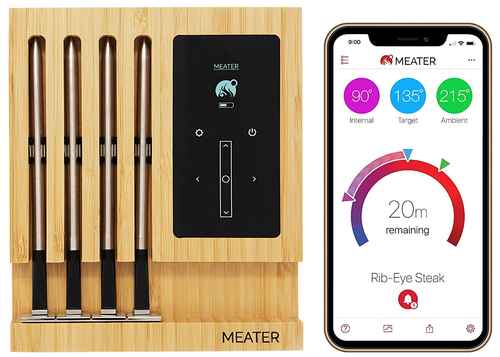
Covering the dish with foil for the first part of reheating prevents the cheese from burning while the interior warms. Removing the foil for the last 5 minutes encourages the breading to crisp and the cheese to bubble lightly. Using a food thermometer to ensure the internal temperature reaches 165°F (74°C) guarantees both safety and optimal taste.
How To Reheat Veal Parmesan In Oven
- Preheat the oven to 325-350°F.
- Place the veal Parmesan on an oven-safe dish. If reheating multiple pieces, leave a small gap between them for even heat distribution.
- Cover loosely with aluminum foil to trap moisture and prevent over-browning.
- Reheat for 15-25 minutes (depending on the initial temperature of the veal).
- Check the internal temperature with a food thermometer.
- Remove foil in the last 5 minutes to allow the breadcrumbs and cheese to crisp slightly.
- Serve immediately for the best texture and flavor.
When Not To Reheat Veal Parmesan In The Oven
Avoid reheating veal Parmesan if:
- It has been left out at room temperature for more than 2 hours. Bacterial growth at this stage can pose a health risk.
- The dish has been frozen and thawed multiple times; this can compromise texture and flavor.
- The veal has already dried out significantly from prior reheating attempts. Oven reheating will not restore moisture in overcooked or overly dry veal.
In these cases, it may be safer to repurpose the leftovers in a baked pasta casserole or soup rather than attempting direct reheating.
Reheating Veal Parmesan More Than Once
Reheating veal Parmesan multiple times is generally not recommended. Each reheating cycle dries out the veal, breaks down the breading, and diminishes the quality of the cheese and sauce. If unavoidable, try to:
- Reheat only the portion you plan to eat, keeping the rest refrigerated.
- Use lower temperatures (around 300-325°F) and shorter times to minimize moisture loss.
- Consider reheating in a covered dish to retain moisture.
Repeated reheating may result in veal that is tough, dry, and flavorless.
What If I Use A Different Oven Temperature?
- Higher than 350°F: The veal may cook too quickly, causing the outer layer to burn before the interior heats fully. Cheese may bubble excessively and brown too fast.
- Lower than 325°F: The reheating process takes longer, increasing the chance of soggy breadcrumbs and uneven warming. Slow reheating can work, but you must monitor more carefully and possibly extend cooking time.
The key is balance: moderate heat ensures even reheating without compromising texture.
What If I Use A Different Oven Cook Time?
- Shorter cook time: Risk leaving the veal cold in the center and the cheese only partially melted.
- Longer cook time: Can dry out the veal, over-crisp the breading, or cause cheese to overbrown.
Adjust cooking time based on veal thickness and initial temperature, but always confirm with a thermometer to avoid unsafe or unsatisfactory results.
Best Ways To Reheat Veal Parmesan
The oven is the preferred method, but other options exist:
- Conventional oven (325-350°F): Best for texture and flavor.
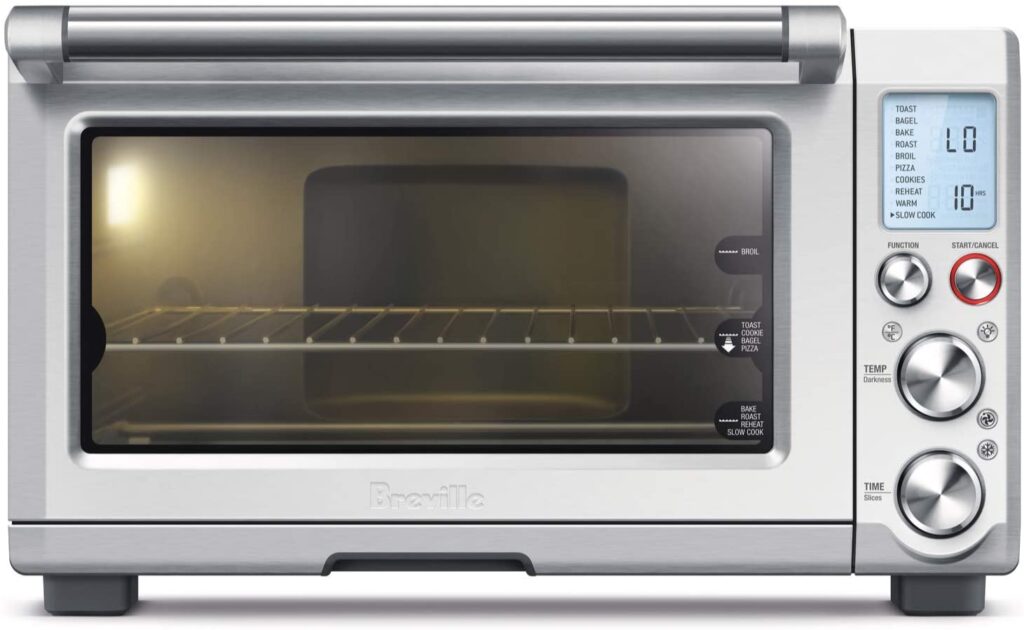
- Toaster oven: Works for single portions; mimics oven results on a smaller scale.
- Skillet with lid: Can re-crisp breading using low heat, but requires careful attention to avoid burning.
- Avoid microwave-only reheating unless short bursts are combined with a brief broil to restore crust crispiness.
Tips For Optimal Reheating Results
- Bring to room temperature first: Reduces uneven heating.
- Cover with foil initially: Retains moisture and prevents over-browning.
- Use a thermometer: Ensures internal temperature of 165°F (74°C).
- Add a light brush of olive oil or butter: Enhances crust crispness.
- Finish uncovered: Achieves golden, bubbling cheese and slightly crisp breadcrumbs.
- Reheat in single layers: Avoid stacking veal cutlets to ensure even heating.
FAQs
What Is The Best Temperature To Reheat Veal Parmesan In The Oven?
The ideal temperature for reheating veal parmesan in the oven is 350°F (175°C). This temperature allows the meat to heat evenly without drying out the veal or overcooking the cheese and sauce.
Should I Cover The Veal Parmesan While Reheating?
Yes, covering the veal parmesan with aluminum foil helps retain moisture and prevents the breadcrumbs from burning. Remove the foil during the last 5-10 minutes if you want a crispier topping.
How Long Does It Take To Reheat Veal Parmesan In The Oven?
Reheating veal parmesan typically takes 20-30 minutes at 350°F (175°C), depending on the portion size and whether it is refrigerated or at room temperature before baking.
Can I Reheat Veal Parmesan From Frozen In The Oven?
Yes, you can reheat frozen veal parmesan. It is best to thaw it in the refrigerator overnight first. If baking directly from frozen, increase the oven time to 40-50 minutes, keeping it covered with foil for most of the cooking time.
How Do I Prevent Veal Parmesan From Drying Out When Reheating?
To prevent drying, cover the dish with foil, add a small amount of tomato sauce or a few drops of water over the veal, and avoid reheating at high temperatures.
Is It Better To Reheat Veal Parmesan In A Glass Or Metal Baking Dish?
Both glass and metal dishes work, but metal heats faster and may crisp the edges more. Glass distributes heat more evenly but may require slightly longer reheating times.
Can I Reheat Veal Parmesan In A Toaster Oven?
Yes, a toaster oven works well for smaller portions. Set it to 350°F (175°C) and cover with foil, reheating for 15-25 minutes until heated through.
Should I Add Extra Cheese When Reheating Veal Parmesan?
Adding extra cheese is optional. If you prefer a cheesier top, sprinkle a thin layer of mozzarella or Parmesan during the last 5-10 minutes of baking to melt without overcooking.
How Can I Tell When Veal Parmesan Is Fully Reheated?
The veal is fully reheated when it reaches an internal temperature of 165°F (74°C). The cheese should be melted and bubbly, and the sauce should be hot throughout.
Can I Reheat Veal Parmesan Multiple Times In The Oven?
It is not recommended to reheat veal parmesan more than once, as repeated heating can dry out the meat, overcook the cheese, and reduce overall quality. Only reheat the portion you intend to eat.