
How To Reheat Whole Chicken In Oven [FULL GUIDE]
Reheating a whole chicken may seem like a simple task, but achieving the perfect balance of warmth, moisture, and flavor requires more than just placing it in the oven. Whole chickens are dense, with both white and dark meat, which reheat at different rates. If done improperly, the chicken can become dry, rubbery, or unevenly heated, compromising both taste and food safety. This guide will explore the science and art of reheating a whole chicken in the oven, providing you with optimal temperature, timing, and techniques to preserve its succulent texture and rich flavor. Whether you’re salvaging leftovers or preparing pre-cooked meals, these insights will elevate your reheating process from ordinary to exceptional.
Contents
- 1 Best Temperature To Reheat Whole Chicken In Oven
- 2 Best Cooking Time To Reheat Whole Chicken In Oven
- 3 How To Reheat Whole Chicken In Oven
- 4 When Not To Reheat Whole Chicken In The Oven
- 5 Reheating Whole Chicken More Than Once
- 6 What If I Use A Different Oven Temperature?
- 7 What If I Use A Different Oven Cook Time?
- 8 Best Ways To Reheat Whole Chicken
- 9 Tips For Optimal Reheating Results
- 10 FAQs
- 10.1 What Is The Best Method To Reheat A Whole Chicken In The Oven?
- 10.2 How Long Should I Reheat A Whole Chicken In The Oven?
- 10.3 Should I Cover The Whole Chicken While Reheating In The Oven?
- 10.4 Can I Reheat A Whole Chicken Without Foil In The Oven?
- 10.5 How Do I Know When A Whole Chicken Is Reheated To The Right Temperature?
- 10.6 Can I Reheat A Frozen Whole Chicken In The Oven?
- 10.7 How Can I Keep My Whole Chicken Moist When Reheating?
- 10.8 Can I Reheat A Whole Chicken That Was Previously Roasted With Seasonings Or Sauce?
- 10.9 How Do I Reheat A Whole Chicken Evenly In The Oven?
- 10.10 Can I Reheat A Whole Chicken Multiple Times In The Oven?
Best Temperature To Reheat Whole Chicken In Oven
Temperature control is the cornerstone of successful chicken reheating. For whole chickens, the goal is to warm the meat thoroughly without overcooking it. The ideal oven temperature generally falls between 325°F to 350°F (163°C to 177°C).
- 325°F (163°C): This lower temperature is ideal for slowly warming the chicken, minimizing moisture loss and preventing the exterior from drying out. It allows heat to penetrate evenly, especially in the thicker parts like the breast and thighs.
- 350°F (177°C): A slightly higher temperature reduces reheating time while still maintaining moisture if monitored closely. This works best when the chicken was initially roasted to perfection and you want to avoid lengthy reheating.
Temperatures above 375°F (190°C) risk drying out the meat or crisping the skin too much, which is generally undesirable for leftover chicken.
Best Cooking Time To Reheat Whole Chicken In Oven
Time is as important as temperature. Whole chickens require a slow, steady warming process due to their size and density. As a general guideline:
- For a 3-4 pound chicken, plan for 25-30 minutes at 325°F, and 20-25 minutes at 350°F.
- For larger chickens, 5-6 pounds, increase the reheating time to 35-45 minutes at 325°F.
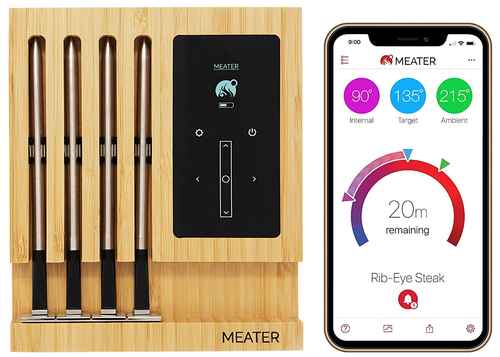
To ensure safe consumption, the internal temperature of the chicken should reach at least 165°F (74°C), measured at the thickest part of the meat, usually the breast and thigh. Avoid rushing the process, as uneven heating may leave cold pockets that harbor bacteria.
How To Reheat Whole Chicken In Oven
Reheating a whole chicken is simple, yet requires precision:
- Preheat the oven to your chosen temperature (325°F-350°F).
- Prepare the chicken: Remove any packaging, and if desired, brush lightly with olive oil, melted butter, or chicken broth to retain moisture. Cover loosely with foil to trap steam while avoiding sogginess.
- Place in a roasting pan: Set the chicken breast-side up to allow even heat distribution.
- Reheat slowly: Insert a meat thermometer into the thickest part of the breast and thigh to monitor progress.
- Optional final crisping: If you want crisp skin, remove foil in the last 5-10 minutes of reheating.
- Rest before carving: Let the chicken rest for 5-10 minutes outside the oven to allow juices to redistribute.
When Not To Reheat Whole Chicken In The Oven
There are situations when reheating a whole chicken in the oven is not recommended:
- Chicken has been left out too long: If it has been at room temperature for over 2 hours, bacteria may have multiplied.
- Already reheated multiple times: Reheating repeatedly increases the risk of dryness and foodborne illness.
- Frozen without proper thawing: Never reheat directly from a frozen state without safely thawing first; uneven heating is a hazard.
Reheating Whole Chicken More Than Once
Reheating whole chicken more than once is strongly discouraged. Each reheating cycle breaks down the meat fibers, drying it out and diminishing flavor. More importantly, repeated reheating increases the risk of bacterial growth, as the meat passes through the ’danger zone’ (40°F-140°F / 4°C-60°C) multiple times. If you must reheat more than once, do so in small portions, not the whole chicken at once, and consume immediately.
What If I Use A Different Oven Temperature?
Altering the oven temperature affects both texture and reheating time:
- Lower than 325°F: Slower reheating preserves moisture but may extend cooking time significantly and risk bacterial growth if not monitored.
- Higher than 350°F: Faster reheating, but more likely to dry out meat, especially the breast, before the thighs reach safe temperature.
Consistency is key; small deviations are manageable, but drastic changes require constant monitoring with a meat thermometer.
What If I Use A Different Oven Cook Time?
Adjusting cooking time is acceptable as long as the internal temperature reaches 165°F (74°C). Shorter times risk uneven heating, leaving the chicken cold inside, while overly long times dry it out. Always check the thickest part of the meat and consider covering with foil to prevent moisture loss if reheating longer.
Best Ways To Reheat Whole Chicken
Aside from the oven, there are alternative reheating methods:
- Microwave: Convenient, but often produces uneven heating and soggy skin. Use in short bursts with moisture added.
- Stovetop: Place pieces in a covered skillet with broth, but only feasible for carved portions.
- Slow cooker: Ideal for shredded or carved chicken, not whole.
Oven reheating remains the best method for whole chickens due to even heat distribution and flavor retention.
Tips For Optimal Reheating Results
- Add moisture: Lightly brush with broth or melted butter.
- Use foil: Prevents drying while allowing some steam to circulate.
- Check internal temperature: Always 165°F minimum.
- Remove stuffing: If present, reheat separately to ensure food safety.
- Allow resting time: Juices redistribute, improving flavor and texture.
FAQs
What Is The Best Method To Reheat A Whole Chicken In The Oven?
The best method to reheat a whole chicken in the oven is to preheat your oven to 350°F (175°C). Place the chicken in a roasting pan and cover it loosely with aluminum foil. Reheat for about 20-30 minutes or until the internal temperature reaches 165°F (74°C).
How Long Should I Reheat A Whole Chicken In The Oven?
Typically, reheating a whole chicken in the oven takes about 20-30 minutes at 350°F (175°C). However, the time may vary depending on the size of the chicken and whether it’s been refrigerated or frozen.
Should I Cover The Whole Chicken While Reheating In The Oven?
Yes, it’s a good idea to cover the whole chicken with aluminum foil while reheating. This helps retain moisture and prevents the chicken from drying out during the reheating process.
Can I Reheat A Whole Chicken Without Foil In The Oven?
You can, but reheating without foil may cause the chicken to dry out. If you prefer a crispy skin, you can uncover it for the last 5-10 minutes of reheating, but keep the foil on for the majority of the time to preserve the meat’s moisture.
How Do I Know When A Whole Chicken Is Reheated To The Right Temperature?
To ensure the chicken is safely reheated, use a meat thermometer to check the internal temperature. The chicken should reach an internal temperature of 165°F (74°C) at the thickest part of the meat (usually the breast or thigh).
Can I Reheat A Frozen Whole Chicken In The Oven?
It’s not recommended to reheat a frozen whole chicken directly in the oven. If your chicken is frozen, it’s best to thaw it in the refrigerator for 24 hours before reheating. Reheating a frozen chicken can result in uneven heating and potential food safety risks.
How Can I Keep My Whole Chicken Moist When Reheating?
To keep your whole chicken moist when reheating, cover it with aluminum foil to retain steam, and consider adding a small amount of chicken broth or water to the bottom of the pan to create moisture in the oven. Additionally, basting the chicken with its own juices halfway through reheating can help.
Can I Reheat A Whole Chicken That Was Previously Roasted With Seasonings Or Sauce?
Yes, you can reheat a whole chicken that was roasted with seasonings or sauce. Just be mindful to check the chicken carefully while reheating, as certain seasonings or sauces might char or burn if reheated too long.
How Do I Reheat A Whole Chicken Evenly In The Oven?
To reheat a whole chicken evenly, make sure to place it in the center of the oven and rotate it halfway through the reheating time. Covering the chicken with foil also helps to evenly distribute heat. If needed, use a meat thermometer to check that all parts of the chicken have reached the proper temperature.
Can I Reheat A Whole Chicken Multiple Times In The Oven?
Reheating a whole chicken multiple times is not recommended as it can lead to a loss of flavor and moisture. Additionally, repeated reheating can increase the risk of foodborne illness. It’s best to reheat only the portion you plan to consume and store the rest safely in the refrigerator for future use.