
How To Reheat Whole Meatloaf In Oven [FULL GUIDE]
Reheating a whole meatloaf is both an art and a science. This hearty dish, beloved for its savory flavors and comforting texture, can lose its appeal if reheated incorrectly. While cold leftovers might suffice for a quick bite, nothing compares to the aroma, moisture, and taste of a properly reheated meatloaf. Achieving this requires careful attention to temperature, timing, and technique. Oven reheating, in particular, is favored for its ability to warm the meat evenly without drying it out. Unlike microwaving, which can produce uneven heat and a rubbery texture, the oven allows the meatloaf to retain its succulence while preserving the rich flavors of its crust and interior. Understanding the nuances of oven reheating ensures that each slice delivers the same delicious experience as when it was first baked.
Contents
- 1 Best Temperature To Reheat Whole Meatloaf In Oven
- 2 Best Cooking Time To Reheat Whole Meatloaf In Oven
- 3 How To Reheat Whole Meatloaf In Oven
- 4 When Not To Reheat Whole Meatloaf In The Oven
- 5 Reheating Whole Meatloaf More Than Once
- 6 What If I Use A Different Oven Temperature?
- 7 What If I Use A Different Oven Cook Time?
- 8 Best Ways To Reheat Whole Meatloaf
- 9 Tips For Optimal Reheating Results
- 10 FAQs
- 10.1 What Is The Best Temperature To Reheat A Whole Meatloaf In The Oven?
- 10.2 How Long Does It Take To Reheat A Whole Meatloaf In The Oven?
- 10.3 Should I Cover The Meatloaf When Reheating In The Oven?
- 10.4 Do I Need To Add Any Liquid When Reheating Meatloaf?
- 10.5 Can I Reheat A Meatloaf Directly From The Refrigerator?
- 10.6 Is It Safe To Reheat Meatloaf More Than Once?
- 10.7 Can I Reheat A Frozen Meatloaf In The Oven?
- 10.8 Should I Remove The Glaze Or Topping Before Reheating?
- 10.9 How Can I Prevent The Meatloaf From Drying Out While Reheating?
- 10.10 Is It Necessary To Use A Meat Thermometer When Reheating Meatloaf?
Best Temperature To Reheat Whole Meatloaf In Oven
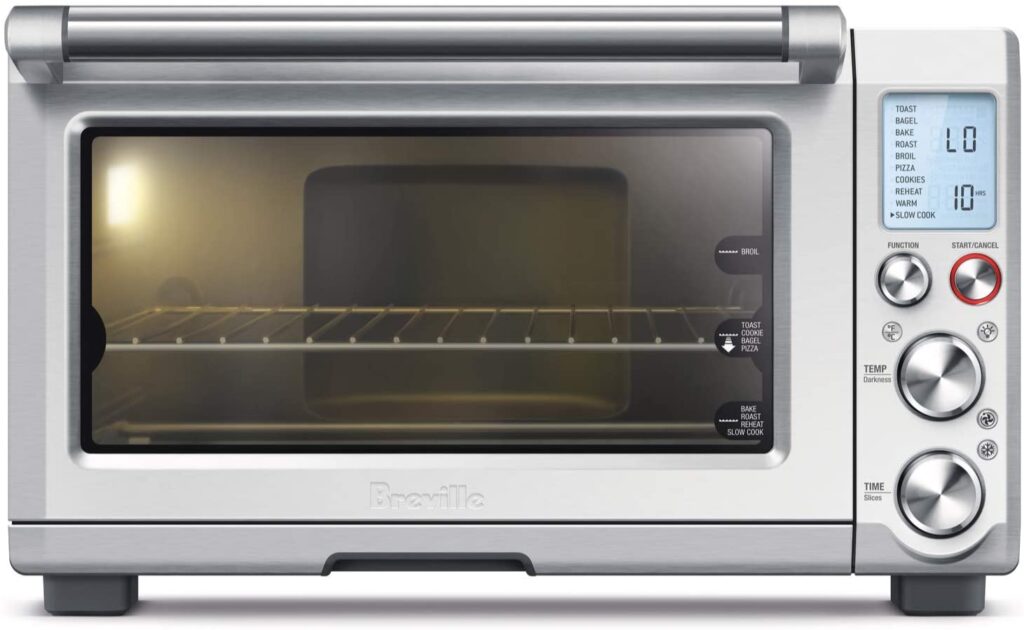
The ideal oven temperature for reheating a whole meatloaf balances the need for thorough warming with moisture retention. A moderate temperature of 325°F (163°C) to 350°F (177°C) is widely recommended. Temperatures below 300°F may prolong the reheating process unnecessarily, potentially compromising texture, while temperatures above 375°F risk drying out the exterior before the interior is fully warmed.
A lower temperature allows the heat to penetrate the meatloaf gradually, reducing the chance of overcooking the outer layer. Covering the meatloaf loosely with aluminum foil can further protect against moisture loss while still allowing the heat to circulate. This temperature range preserves the balance between the tender interior and the slightly caramelized, flavorful crust, ensuring each slice remains moist, flavorful, and satisfying.
Best Cooking Time To Reheat Whole Meatloaf In Oven
Reheating time depends on the size and density of the meatloaf. For a standard whole meatloaf (roughly 2-3 pounds), an oven time of 25-35 minutes at 325°F is generally effective. Larger meatloaves may require up to 45 minutes, while smaller loaves may reach ideal temperatures in 20-25 minutes.
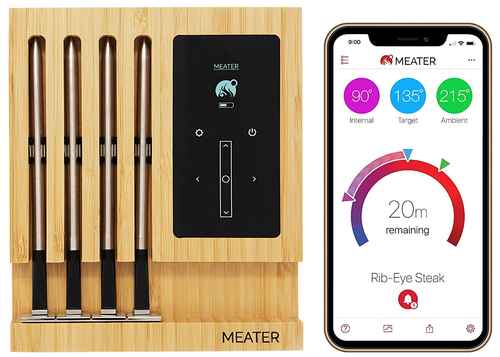
The key is monitoring the internal temperature: a fully reheated meatloaf should reach 165°F (74°C) in the center. Using a digital meat thermometer is highly recommended to ensure safety and optimal texture. Overcooking past this point risks dryness, while underheating can leave the center cold or unsafe to eat.
How To Reheat Whole Meatloaf In Oven
- Preheat the oven: Set it to 325-350°F (163-177°C).
- Prepare the meatloaf: Remove it from the refrigerator and let it sit for 10-15 minutes to reduce chill. This step promotes even reheating.
- Cover with foil: Lightly tent the meatloaf with aluminum foil to prevent the crust from drying out.
- Reheat: Place the meatloaf in a baking dish and insert a thermometer into the center. Bake until the internal temperature reaches 165°F (74°C).
- Optional glaze: For an extra touch, brush the meatloaf with a thin layer of sauce or glaze 5-10 minutes before it’s done. This enhances moisture and flavor.
- Rest: Allow the meatloaf to rest for 5-10 minutes after removing it from the oven to let the juices redistribute.
When Not To Reheat Whole Meatloaf In The Oven
Avoid reheating meatloaf in the oven if:
- It has been left out at room temperature for more than 2 hours, as this can promote bacterial growth.
- It shows signs of spoilage such as an off smell, slimy texture, or discoloration.
- You plan to reheat multiple times; repeated oven reheating can dry the meatloaf and compromise flavor.
Reheating Whole Meatloaf More Than Once
Reheating more than once is not recommended. Each cycle exposes the meatloaf to heat, which gradually dries out the interior and can break down proteins, making it tougher. Additionally, repeated warming increases the risk of bacterial growth, particularly if the meatloaf has not been stored correctly between reheating sessions. To preserve taste and safety, reheat only the portion you intend to serve.
What If I Use A Different Oven Temperature?
Using a temperature higher than 350°F will shorten reheating time but increases the risk of a dry or burnt crust while leaving the interior unevenly heated. Conversely, lower temperatures below 325°F will extend cooking time, which may still yield moist results but requires more careful monitoring to ensure the meatloaf reaches a safe internal temperature. Adjustments should be gradual, and always verify doneness with a thermometer.
What If I Use A Different Oven Cook Time?
Shorter cooking times can leave the meatloaf cold or unevenly heated, especially in the center. Longer cooking times, if not paired with lower temperatures or foil covering, may dry out the meat or cause the edges to become overcooked. Always base the timing on internal temperature rather than clock time alone to ensure both safety and flavor.
Best Ways To Reheat Whole Meatloaf
- Oven (preferred): Gradual heating preserves texture and flavor.
- Foil-wrapped method: Helps retain moisture.
- With sauce or glaze: Adds an extra layer of juiciness and flavor.
- Slicing before reheating (optional): Speeds up warming but may reduce moisture retention slightly.
Tips For Optimal Reheating Results
- Use a thermometer: Ensure the internal temperature hits 165°F (74°C).
- Cover loosely with foil: Prevents a dry crust.
- Let it rest: Juices redistribute for a moister slice.
- Add moisture if needed: A light brushing of broth or sauce can revive dryness.
- Avoid microwaving as primary method: Oven heating maintains texture and flavor far better.
FAQs
What Is The Best Temperature To Reheat A Whole Meatloaf In The Oven?
The best temperature to reheat a whole meatloaf is 325°F (163°C). This moderate temperature ensures the meatloaf heats evenly without drying out.
How Long Does It Take To Reheat A Whole Meatloaf In The Oven?
Reheating a whole meatloaf generally takes 20 to 35 minutes, depending on the size. Using a food thermometer to check that the internal temperature reaches 165°F (74°C) ensures it is fully heated.
Should I Cover The Meatloaf When Reheating In The Oven?
Yes, covering the meatloaf with aluminum foil helps retain moisture and prevents the edges from becoming dry while reheating.
Do I Need To Add Any Liquid When Reheating Meatloaf?
Adding a small amount of water, broth, or sauce to the pan can help maintain moisture and prevent the meatloaf from drying out during reheating.
Can I Reheat A Meatloaf Directly From The Refrigerator?
Yes, you can reheat a refrigerated meatloaf directly in the oven. Allowing it to sit at room temperature for 10-15 minutes before reheating can help it heat more evenly.
Is It Safe To Reheat Meatloaf More Than Once?
It is not recommended to reheat meatloaf more than once. Each time it cools and reheats, the risk of bacterial growth increases, and the texture and flavor may deteriorate.
Can I Reheat A Frozen Meatloaf In The Oven?
Yes, a frozen meatloaf can be reheated in the oven, but it should be thawed in the refrigerator first for even heating. Once thawed, reheat at 325°F (163°C) until the internal temperature reaches 165°F (74°C).
Should I Remove The Glaze Or Topping Before Reheating?
It is usually best to leave the glaze or topping on the meatloaf. Covering with foil during reheating can prevent the glaze from burning while still allowing it to warm thoroughly.
How Can I Prevent The Meatloaf From Drying Out While Reheating?
Covering the meatloaf with foil, adding a bit of liquid to the pan, and reheating at a moderate temperature (325°F / 163°C) are key steps to keep the meatloaf moist and flavorful.
Is It Necessary To Use A Meat Thermometer When Reheating Meatloaf?
Using a meat thermometer is highly recommended to ensure the meatloaf reaches an internal temperature of 165°F (74°C), which guarantees it is safe to eat and evenly heated.