
How To Roast Meat In Slow Cooker [GUIDE]
Roasting meat has long been considered the pinnacle of home-cooked meals. There’s something inherently satisfying about the aroma of tender, flavorful meat slowly cooking to perfection. Traditionally, roasting conjures images of an oven, basting, and careful temperature control. However, the slow cooker offers a modern twist on this classic culinary technique, allowing meat to develop rich flavors with minimal effort. By utilizing low, consistent heat over an extended period, the slow cooker transforms tougher cuts into succulent, melt-in-your-mouth delicacies. This method isn’t just convenient; it also enhances the natural flavors of the meat, often requiring less seasoning or fat than traditional roasting. Whether it’s beef, pork, lamb, or poultry, slow-cooked roasted meat has the potential to become a centerpiece of comfort and sophistication at the dinner table.
Contents
- 1 How Long To Roast Meat In Slow Cooker
- 2 How To Tell If It Is Done
- 3 Ingredients Needed
- 4 How To Roast Meat In Slow Cooker
- 5 When Things Go Wrong
- 6 Expert Tips
- 7 Can I Do This Without A Slow Cooker?
- 8 Reheating Leftovers In Slow Cooker
- 9 FAQs
- 9.1 What Cuts Of Meat Are Best For Slow Cooker Roasting?
- 9.2 Do I Need To Sear The Meat Before Putting It In The Slow Cooker?
- 9.3 How Much Liquid Should I Add When Slow Cooking Roast Meat?
- 9.4 How Long Does It Take To Cook Roast Meat In A Slow Cooker?
- 9.5 Can I Cook Frozen Meat In A Slow Cooker?
- 9.6 Should I Add Vegetables When Cooking Roast Meat In A Slow Cooker?
- 9.7 How Do I Prevent The Meat From Drying Out In A Slow Cooker?
- 9.8 Do I Need To Stir The Meat While It Cooks?
- 9.9 Can I Cook A Roast In A Slow Cooker Without Liquid?
- 9.10 How Do I Know When The Roast Is Done?
How Long To Roast Meat In Slow Cooker
Timing in a slow cooker is critical, but it differs from oven roasting due to the appliance’s steady low heat. Slow cooking allows collagen and connective tissue in the meat to break down gradually, resulting in tender, flavorful dishes. For most cuts of meat:
- Beef roast (chuck, brisket, round): 8-10 hours on low, 4-6 hours on high.
- Pork roast (shoulder, butt): 8-10 hours on low, 4-6 hours on high.
- Lamb (leg or shoulder): 6-8 hours on low, 3-4 hours on high.
- Chicken (whole or bone-in pieces): 4-6 hours on low, 2-3 hours on high.
It’s important to note that leaner cuts like tenderloin or loin require less time, as overcooking can dry them out, whereas tougher cuts like chuck or shoulder benefit from longer cooking to become tender. Patience is essential here-the magic of the slow cooker lies in letting time, rather than high heat, do the work.
How To Tell If It Is Done
Unlike oven roasting, where visual cues like browning and a firm crust help determine doneness, slow-cooked meat relies on internal texture and temperature.
-
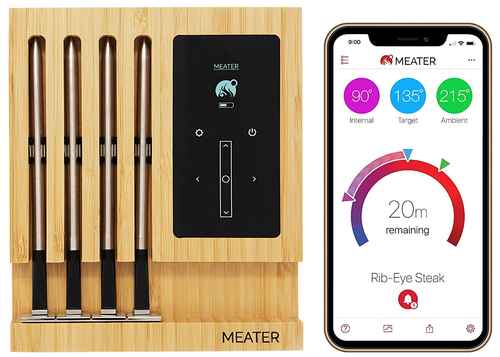
Internal Temperature: Using a meat thermometer is the most reliable method. Target temperatures:
- Beef, lamb, pork roasts: 195-205°F (for shreddable texture)
- Chicken: 165°F
- Fork Test: The meat should pull apart easily. For tougher cuts like chuck or shoulder, it should shred with minimal resistance.
- Juice Check: Clear juices indicate doneness for poultry; for pork and beef, slightly pink juices are acceptable depending on the cut.
Remember, slow cooking allows a wider margin of safety. Meat left slightly longer will often improve in tenderness without losing flavor.
Ingredients Needed
A slow-roasted meat dish is often as much about complementary ingredients as the meat itself. Essentials include:
- Meat: Your chosen roast cut (beef, pork, lamb, chicken)
- Aromatics: Onion, garlic, shallots
- Vegetables: Carrots, celery, potatoes, parsnips (optional but recommended)
- Liquids: Stock, broth, wine, or a mixture; these create a moist cooking environment and add flavor
- Seasonings: Salt, pepper, herbs (rosemary, thyme, bay leaves), spices (paprika, cumin, or coriander for extra depth)
- Fats: Olive oil, butter, or rendered bacon fat for browning or flavor enhancement
Optional enhancements like tomato paste, Worcestershire sauce, or mustard can create complex, savory layers that elevate the dish.
How To Roast Meat In Slow Cooker
- Prep the Meat: Trim excess fat, season generously with salt, pepper, and preferred herbs or spices. For an extra layer of flavor, sear the meat in a hot pan until browned on all sides-this caramelization adds depth.
- Prepare the Slow Cooker: Place aromatics and root vegetables at the bottom, creating a natural bed for the meat. Pour a small amount of liquid (enough to reach ¼-½ the height of the meat).
- Add the Meat: Place the roast on top of the vegetables. This positioning ensures even cooking and flavor distribution.
- Cover and Cook: Set the cooker to low for slow, thorough cooking, or high for a quicker option. Resist the temptation to remove the lid frequently-it releases heat and increases cooking time.
- Rest Before Serving: Once the meat reaches desired tenderness, allow it to rest for 10-15 minutes before slicing or shredding. This lets juices redistribute, ensuring moist, flavorful meat.
When Things Go Wrong
Even with slow cookers, mistakes can happen:
- Dry Meat: Often caused by lean cuts cooked too long. Remedy: shred and serve with sauce or broth.
- Undercooked Meat: Rare with slow cooking, but if it occurs, extend cooking time and check temperature periodically.
- Watery Vegetables: Overcooked vegetables may disintegrate. Solution: add sturdy vegetables later in the cooking process or serve them separately.
- Flavorless Meat: Often from insufficient seasoning or lack of searing. A quick pan-sear before slow cooking or a finishing sauce can correct this.
Expert Tips
- Sear for Flavor: Even though slow cooking softens meat, searing adds a rich, roasted depth impossible to achieve with slow cooking alone.
- Layer Flavors: Use herbs, garlic, and acidic elements like vinegar or wine to enhance complexity.
- Avoid Lifting the Lid: Every peek extends cooking time; trust the slow cooker’s process.
- Cut Meat Against the Grain: For serving, slicing against the grain maximizes tenderness.
- Use Foil or Parchment: Wrapping meat can help retain moisture for lean cuts.
Can I Do This Without A Slow Cooker?
Yes. Traditional oven roasting can replicate some slow cooker results using a low-and-slow method. Roast meat at 250-300°F (120-150°C) in a covered Dutch oven or roasting pan with liquid. While it won’t be as hands-off as a slow cooker, the result-tender, juicy meat-is similar. Covering the meat traps moisture, preventing dryness.
Reheating Leftovers In Slow Cooker
Slow cookers are excellent for reheating leftover roasted meat without drying it out.
- Add Moisture: Include a splash of broth, stock, or sauce.
- Low Setting: Reheat on low for 1-2 hours, checking periodically.
- Avoid High Heat: High heat can toughen already cooked meat and overcook vegetables.
This method preserves flavor, moisture, and tenderness, making leftovers nearly as satisfying as the original meal.
FAQs
What Cuts Of Meat Are Best For Slow Cooker Roasting?
Tougher cuts with more connective tissue, such as chuck roast, brisket, pork shoulder, and lamb shank, are ideal for slow cooker roasting. These cuts become tender and flavorful over long, slow cooking.
Do I Need To Sear The Meat Before Putting It In The Slow Cooker?
Searing is optional but recommended. Browning the meat in a skillet before slow cooking enhances flavor through the Maillard reaction and helps retain juices, though you can skip this step for convenience.
How Much Liquid Should I Add When Slow Cooking Roast Meat?
Add enough liquid to cover the bottom of the slow cooker, usually around 1/2 to 1 cup. Slow cookers create moisture during cooking, so meat does not need to be fully submerged unless making a stew-style dish.
How Long Does It Take To Cook Roast Meat In A Slow Cooker?
Cooking time depends on the size of the roast and the slow cooker setting. Generally, on low heat, a 3-4 pound roast takes 7-8 hours, while on high heat, it takes 4-5 hours.
Can I Cook Frozen Meat In A Slow Cooker?
It is not recommended to cook frozen meat in a slow cooker, as it can spend too long at unsafe temperatures and increase the risk of bacterial growth. Thaw meat in the refrigerator before slow cooking.
Should I Add Vegetables When Cooking Roast Meat In A Slow Cooker?
Yes, root vegetables like carrots, potatoes, and onions are ideal. Place vegetables at the bottom of the slow cooker so they cook evenly and absorb meat juices.
How Do I Prevent The Meat From Drying Out In A Slow Cooker?
Use fatty cuts, add a small amount of liquid, avoid overcooking, and keep the lid on during cooking. Slow cookers trap steam, which helps maintain moisture in the meat.
Do I Need To Stir The Meat While It Cooks?
No, stirring is generally unnecessary and can cause meat to fall apart. Slow cookers cook evenly without stirring, though you can baste occasionally if desired.
Can I Cook A Roast In A Slow Cooker Without Liquid?
You can, but adding at least a small amount of liquid is recommended to create steam, prevent sticking, and ensure even cooking. Meat also releases its own juices during cooking.
How Do I Know When The Roast Is Done?
Roast is done when it reaches an internal temperature of 145°F (63°C) for medium-rare beef, 160°F (71°C) for pork, or 165°F (74°C) for poultry, and when it is tender enough to shred or slice easily. A meat thermometer is the most reliable method.