
How To Slow Cook Beef Brisket In Slow Cooker [GUIDE]
Beef brisket, a cut from the lower chest of the cow, is a marvel of flavor and texture when cooked properly. Known for its rich marbling and connective tissue, brisket can be tough and chewy if rushed, but when slow-cooked, it transforms into a tender, melt-in-your-mouth delicacy. The slow cooker, with its gentle and consistent heat, is the ideal method for achieving this transformation. Unlike high-heat methods, which can dry out the meat, slow cooking allows the collagen in brisket to break down gradually, infusing the meat with succulence and flavor. Whether you’re preparing a weekend family meal or an intimate dinner, slow-cooked beef brisket promises a rewarding culinary experience.
Contents
- 1 How Long To Slow Cook Beef Brisket In Slow Cooker
- 2 How To Tell If It Is Done
- 3 Ingredients Needed
- 4 How To Slow Cook Beef Brisket In Slow Cooker
- 5 When Things Go Wrong
- 6 Expert Tips
- 7 Can I Do This Without A Slow Cooker?
- 8 Reheating Leftovers In Slow Cooker
- 9 FAQs
- 9.1 What Cut Of Beef Is Best For Slow Cooking Brisket?
- 9.2 How Long Should I Cook Beef Brisket In A Slow Cooker?
- 9.3 Do I Need To Sear The Brisket Before Slow Cooking?
- 9.4 What Liquids Are Best To Add In A Slow Cooker For Brisket?
- 9.5 Should I Trim The Fat Off The Brisket Before Slow Cooking?
- 9.6 How Do I Know When The Brisket Is Done?
- 9.7 Can I Cook Frozen Brisket In A Slow Cooker?
- 9.8 How Should I Store Leftovers From A Slow-cooked Brisket?
- 9.9 Can I Add Vegetables While Slow Cooking Brisket?
- 9.10 How Do I Reheat Slow-cooked Brisket Without Drying It Out?
How Long To Slow Cook Beef Brisket In Slow Cooker
Timing is critical when it comes to slow cooking brisket. The general rule of thumb is to allow 6 to 8 hours on low heat or 4 to 5 hours on high heat for a typical 3 to 4-pound brisket. This slow process is what gives the meat its characteristic tenderness. However, the exact timing can vary depending on factors such as:
- Size and thickness of the brisket – Larger, thicker cuts may require additional time to ensure the heat penetrates to the center.
- Type of slow cooker – Older models or smaller appliances may cook unevenly, requiring an extra 30-60 minutes.
- Desired texture – Some prefer brisket that shreds easily with a fork, while others like it sliceable yet tender. Adjust cooking time accordingly.
Patience is key. Unlike quick cooking methods, slow cooking is about letting the meat reach its peak texture gradually.
How To Tell If It Is Done
Unlike smaller cuts of meat, brisket’s doneness isn’t determined by color alone. Key indicators include:
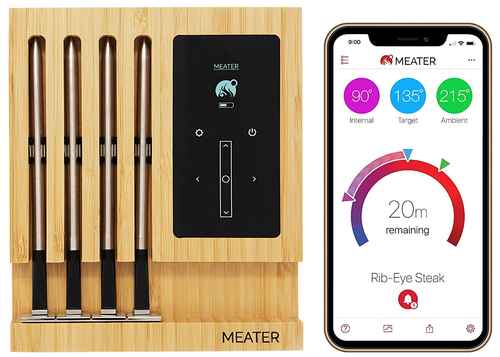
- Internal temperature: Use a meat thermometer to ensure the center reaches around 195°F to 205°F (90°C to 96°C) for shreddable brisket. For sliceable brisket, aim for 185°F to 190°F (85°C to 88°C).
- Fork test: Insert a fork or knife; it should slide in easily with little resistance. Meat that resists is undercooked.
- Juiciness and tenderness: Done brisket should be moist, with a slightly gelatinous texture from the rendered collagen. If it feels rubbery or dry, it needs more time.
Ingredients Needed
To slow cook beef brisket in a slow cooker, you’ll need:
- Brisket: 3-4 pounds, preferably with some fat marbling for flavor.
- Liquid: Beef broth, stock, or a combination of stock and a splash of Worcestershire sauce.
- Aromatics: Onion, garlic, and celery for depth of flavor.
- Seasonings: Salt, black pepper, smoked paprika, chili powder, and any herbs you prefer, like thyme or rosemary.
- Optional additions: Carrots, potatoes, or other root vegetables; a splash of barbecue sauce or red wine for added complexity.
The beauty of slow cooking is that the brisket absorbs the flavors from its environment, resulting in a deeply savory dish with minimal effort.
How To Slow Cook Beef Brisket In Slow Cooker
- Prepare the brisket: Pat dry with paper towels. Season generously with salt, pepper, and your choice of spices.
- Sear the meat (optional but recommended): In a hot skillet, sear all sides of the brisket until golden brown. This step adds depth of flavor but can be skipped for convenience.
- Layer aromatics: Place onions, garlic, and any vegetables in the bottom of the slow cooker. This creates a flavor bed and keeps the brisket slightly elevated.
- Add liquid: Pour beef broth or your chosen liquid over the vegetables. The liquid should cover about one-third of the brisket to keep it moist without boiling.
- Cook low and slow: Cover and cook on low for 6-8 hours, checking occasionally. Avoid lifting the lid frequently, as it releases heat and extends cooking time.
- Rest before serving: Remove the brisket and let it rest for 15-20 minutes to allow juices to redistribute. Slice against the grain for optimal tenderness.
When Things Go Wrong
Even with a slow cooker, mishaps can occur:
- Brisket is dry: Likely due to insufficient fat or cooking too long on high heat. Adding more liquid and covering tightly can help.
- Brisket is tough: This usually means it hasn’t cooked long enough. Continue slow cooking until the connective tissues break down.
- Flavor is bland: Taste the cooking liquid during the last hour and adjust with salt, herbs, or a touch of acidity (vinegar or lemon) to brighten flavors.
Expert Tips
- Fat cap matters: Leave a thin layer of fat on top of the brisket; it helps baste the meat during cooking.
- Don’t rush: Brisket benefits from extra time; if it’s not fork-tender at 8 hours, let it go longer.
- Layer wisely: Keep the thickest part of the brisket at the bottom for even cooking.
- Strain and reduce juices: After cooking, pour the liquid into a saucepan and reduce slightly to make a flavorful sauce or gravy.
Can I Do This Without A Slow Cooker?
Yes! Brisket can be cooked using alternative methods:
- Oven: Roast in a covered Dutch oven at 275°F (135°C) for 5-7 hours.
- Stovetop: Simmer in a heavy pot with a tight-fitting lid on low heat for 6-8 hours, checking occasionally.
- Pressure cooker/Instant Pot: Cook on high pressure for 75-90 minutes for faster results, though the texture differs slightly from slow cooking.
Each method mimics the slow, even heat required to break down connective tissue but requires more attention if not using a slow cooker.
Reheating Leftovers In Slow Cooker
Leftover brisket can be reheated gently in the slow cooker to maintain moisture:
- Slice or leave whole.
- Add a splash of broth or cooking juices.
- Heat on low for 1-2 hours, checking periodically.
Avoid reheating on high, as it can dry out the meat. Slow reheating keeps the brisket tender and flavorful, almost like freshly cooked.
FAQs
What Cut Of Beef Is Best For Slow Cooking Brisket?
The flat cut (also called first cut) is leaner and slices nicely after cooking, while the point cut (second cut) has more marbling and is more flavorful. Both are suitable for slow cooking, but your choice depends on whether you prefer tenderness or richer taste.
How Long Should I Cook Beef Brisket In A Slow Cooker?
Cooking time depends on the size and temperature. For a 3-5 pound brisket, cook on low for 8-10 hours or on high for 4-6 hours. Low and slow cooking yields more tender meat.
Do I Need To Sear The Brisket Before Slow Cooking?
Searing is optional but recommended. Browning the brisket in a hot pan before placing it in the slow cooker enhances flavor and creates a more appealing color, but it is not necessary for tenderness.
What Liquids Are Best To Add In A Slow Cooker For Brisket?
Common liquids include beef broth, stock, beer, or a mixture of these with barbecue sauce or tomato-based sauces. The liquid should cover at least half of the brisket to maintain moisture and flavor during cooking.
Should I Trim The Fat Off The Brisket Before Slow Cooking?
Trim excess fat, but leave a thin layer to maintain moisture and enhance flavor. Removing all fat can result in dry meat, while leaving some ensures the brisket stays succulent.
How Do I Know When The Brisket Is Done?
The brisket is done when it is fork-tender and easily pulls apart. Internal temperature should reach around 195-205°F (90-96°C) for optimal tenderness. A meat thermometer is recommended for accuracy.
Can I Cook Frozen Brisket In A Slow Cooker?
It is not recommended to cook brisket from frozen in a slow cooker because it can remain in the unsafe temperature range too long. Thaw the brisket in the refrigerator before slow cooking for even and safe cooking.
How Should I Store Leftovers From A Slow-cooked Brisket?
Cool the brisket to room temperature, then wrap tightly in foil or an airtight container and refrigerate for up to 4 days. For longer storage, freeze in portions for up to 3 months.
Can I Add Vegetables While Slow Cooking Brisket?
Yes, vegetables such as carrots, onions, and potatoes can be added. Place root vegetables at the bottom of the slow cooker for even cooking, and add softer vegetables later if you prefer them to retain texture.
How Do I Reheat Slow-cooked Brisket Without Drying It Out?
Reheat slowly in a covered pan with a bit of the original cooking liquid or broth at low heat. You can also reheat in the oven at 250-275°F (120-135°C) covered with foil to retain moisture.